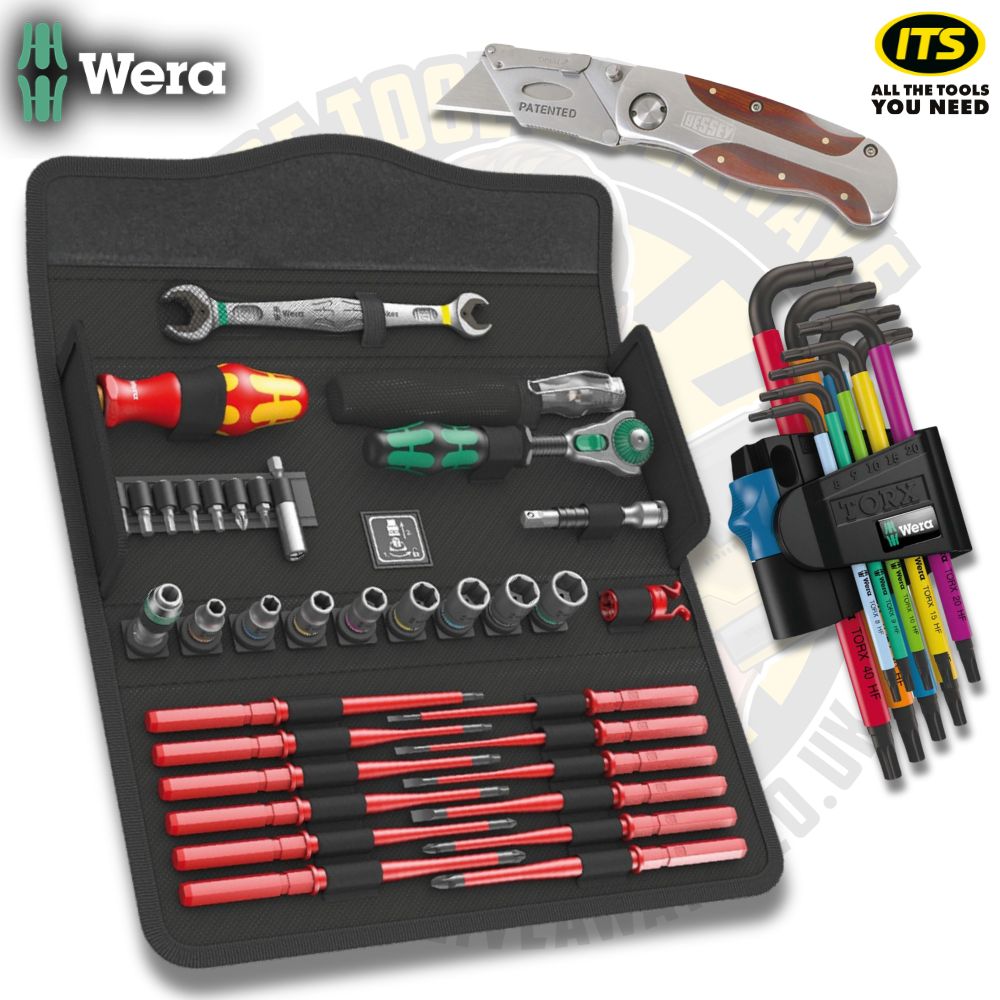
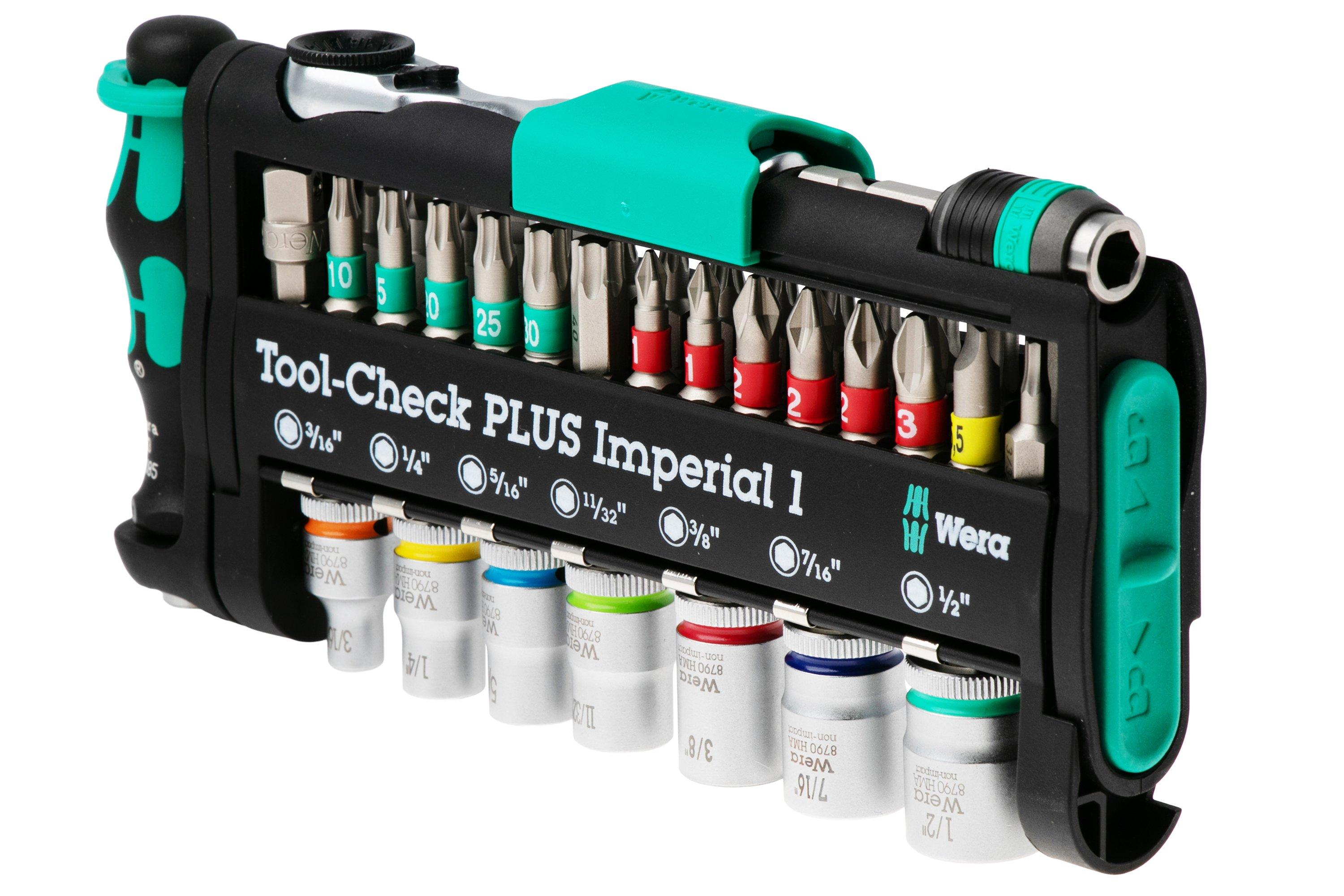
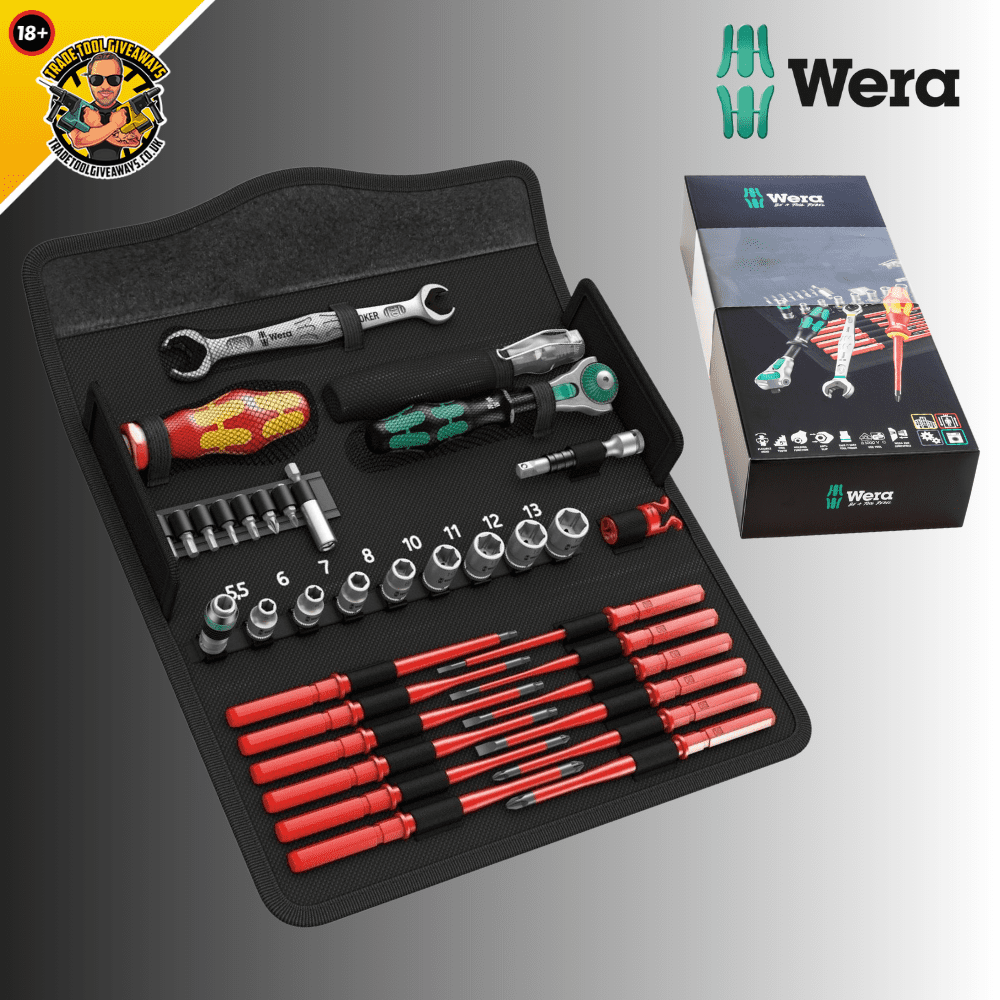
Wera offers a limited lifetime warranty on eligible professional hand tools against breakage caused by defects in materials or workmanship. However, not every Wera product has lifetime coverage. Consumable items, misuse, altered tools, and certain torque-tool conditions may affect your claim.
If you bought Wera tools in the United States, the first step is to identify the exact tool and the type of failure. A broken screwdriver, a worn bit, and a torque wrench that no longer works as expected may fall under different warranty rules. The product category matters because Wera does not treat every tool and accessory the same way.
Wera’s North American warranty information describes limited lifetime coverage for eligible professional hand tools when a material or workmanship defect causes breakage. The published policy also excludes certain consumables and damage linked to misuse, neglect, improper storage, or changes to the tool. These limits mean that normal wear is not automatically a warranty defect.
This guide explains the Wera tools warranty for US buyers, including what may qualify, how to submit a claim, which records to keep, and what to do if a claim is denied. Always confirm the terms that apply to your exact item with Wera Tools North America before shipping a tool or paying for a repair.
The Wera tools warranty covers eligible professional hand tools against breakage caused by defects in materials or workmanship for the normal life of the product. This is a limited lifetime warranty, not a promise that every tool will last forever or that every type of damage will qualify.
A material defect may involve a problem with the material used to make a tool. A workmanship defect may involve a fault that occurred during production or assembly. In either case, Wera must assess the reported problem to determine whether it falls within the warranty terms.
For example, suppose an eligible hand tool breaks during normal work even though you used it for its intended purpose. The failure may justify a warranty review if the cause appears to be a material or workmanship defect. A tool that breaks after being used as a hammer presents a different case because that use may fall outside its intended purpose.
The published warranty gives Wera the right to inspect claims before issuing replacements. Therefore, a claim is a request for review, not an automatic approval. The condition of the tool, its intended use, the cause of failure, and the applicable product terms can all affect the outcome.
Source: bike24.de
Material defects
A failure linked to a defect in the material may qualify when the product and claim meet the warranty conditions.
Workmanship defects
Breakage linked to a manufacturing or assembly fault may qualify for review under the limited lifetime warranty.
Normal product life
Lifetime refers to the normal life of the product under the applicable warranty terms. It does not mean unlimited protection against all damage.
Inspection before replacement
Wera may examine the failed tool before deciding whether the reported problem is covered.
Does Lifetime Mean Every Wera Tool Is Covered Forever?
No. The lifetime warranty applies to eligible professional hand tools and specified types of defects. It does not automatically apply to every accessory, consumable, or specialized tool in the Wera catalog.
The normal life of a product also differs from an unlimited service life. A tool can wear out, become damaged through improper use, or reach a condition that falls outside warranty coverage. Check the terms for your exact product rather than relying on the word lifetime alone.
Which Wera Tools and Parts May Be Excluded?
Not all Wera products receive the same coverage. The published North American warranty policy specifically identifies bits, bit holders, and L-keys as consumables that are not covered by its limited lifetime warranty. These items can wear through ordinary use, so do not assume that a worn tip or damaged key will qualify for a free replacement.
The policy also excludes tools that have been altered or subjected to abuse, misuse, negligence, or improper storage. These conditions matter because a tool can fail for reasons unrelated to a manufacturing defect.
A screwdriver that breaks during its intended task may deserve a different assessment from one used to pry open a metal panel. Likewise, a bit that has lost its shape after repeated use may show ordinary wear rather than a covered production fault. The appearance of damage alone does not establish its cause.
Some tool families have special terms. Torque tools, in particular, need a separate check because their warranty conditions may include a time limit and a maximum number of operating cycles. Read the product-specific conditions before treating them as ordinary hand tools.
Source: toolrebels.de
Bits
Screwdriver bits are listed as consumables in the published North American lifetime warranty policy.
Bit holders
Bit holders are also listed among the excluded consumable items.
L-keys
L-keys are excluded from the stated lifetime warranty policy as consumables.
Altered tools
A tool that has been modified may fall outside the stated warranty conditions.
Damage from misuse
Using a tool for an unintended task can weaken a warranty claim when the use caused the failure.
Is a Worn Wera Screwdriver Bit Covered?
A worn Wera screwdriver bit is not automatically covered under the published North American lifetime warranty because bits are listed as consumables. A rounded tip after repeated use may be normal wear rather than a material or workmanship defect.
If a new bit fails unusually early, keep the item details and purchase record. You can ask Wera or the seller whether a separate product guarantee, a defect review, or another remedy applies. Do not assume that the lifetime warranty overrides the consumable exclusion.
What About Wera Tool Sets?
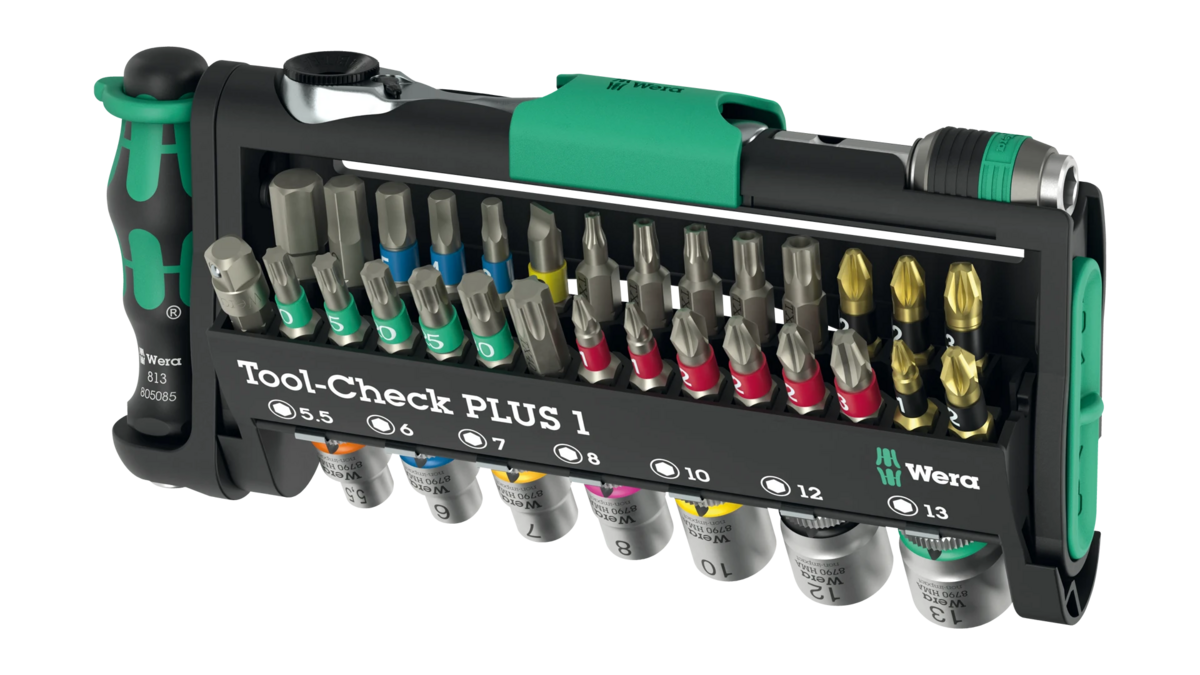
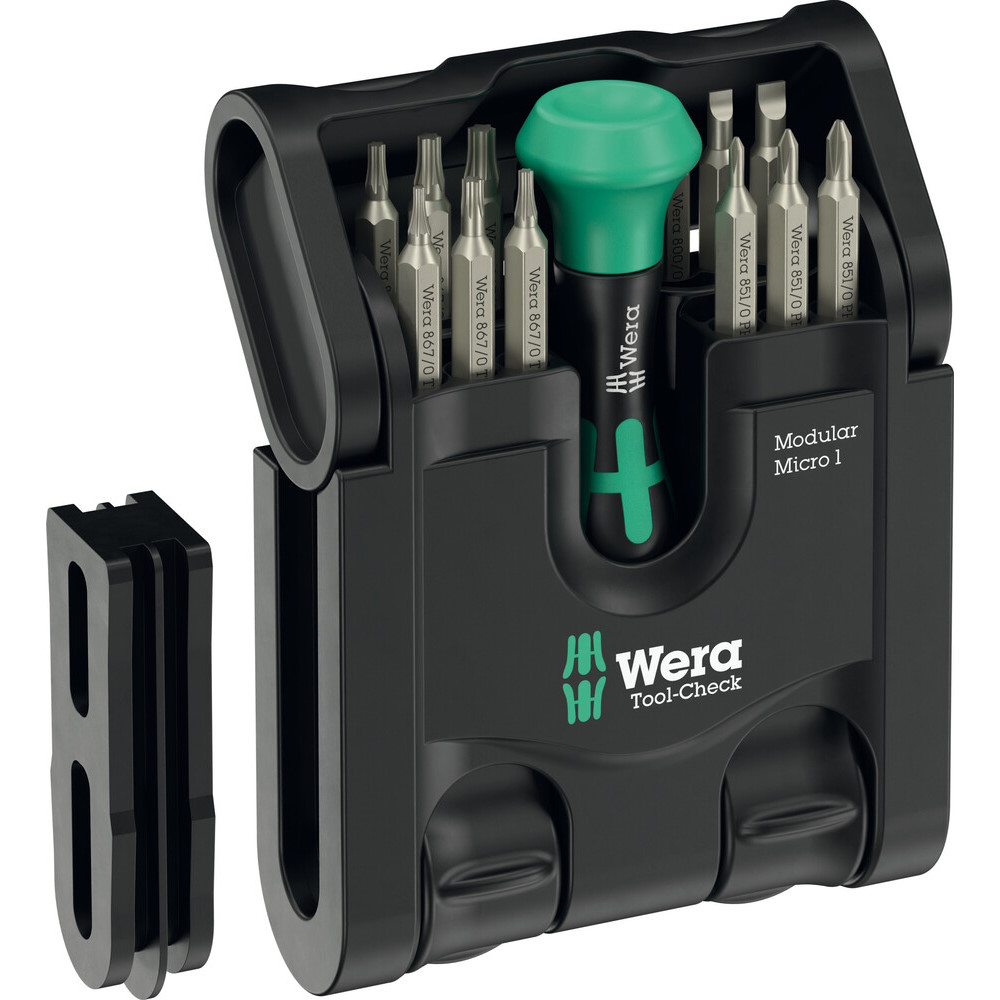
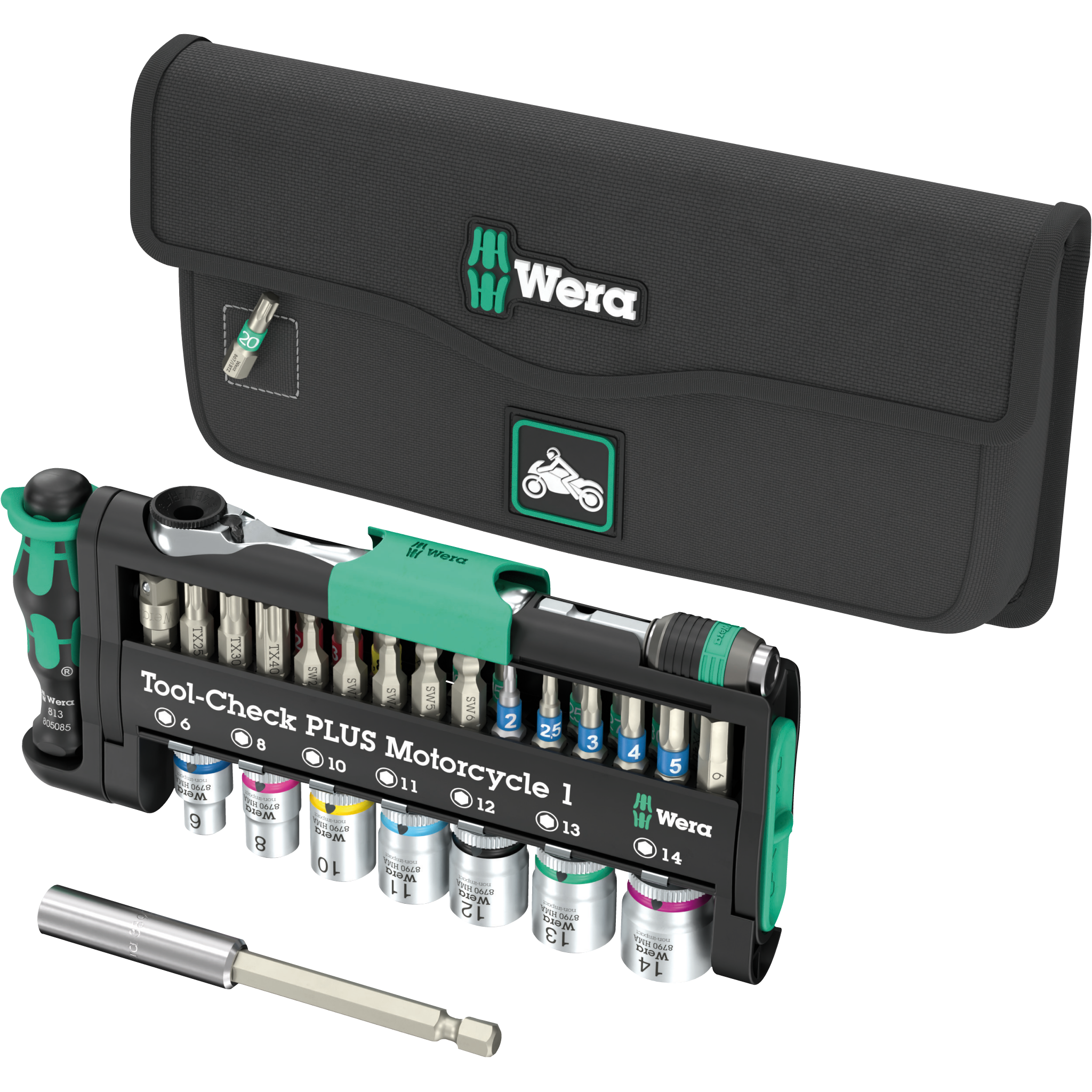
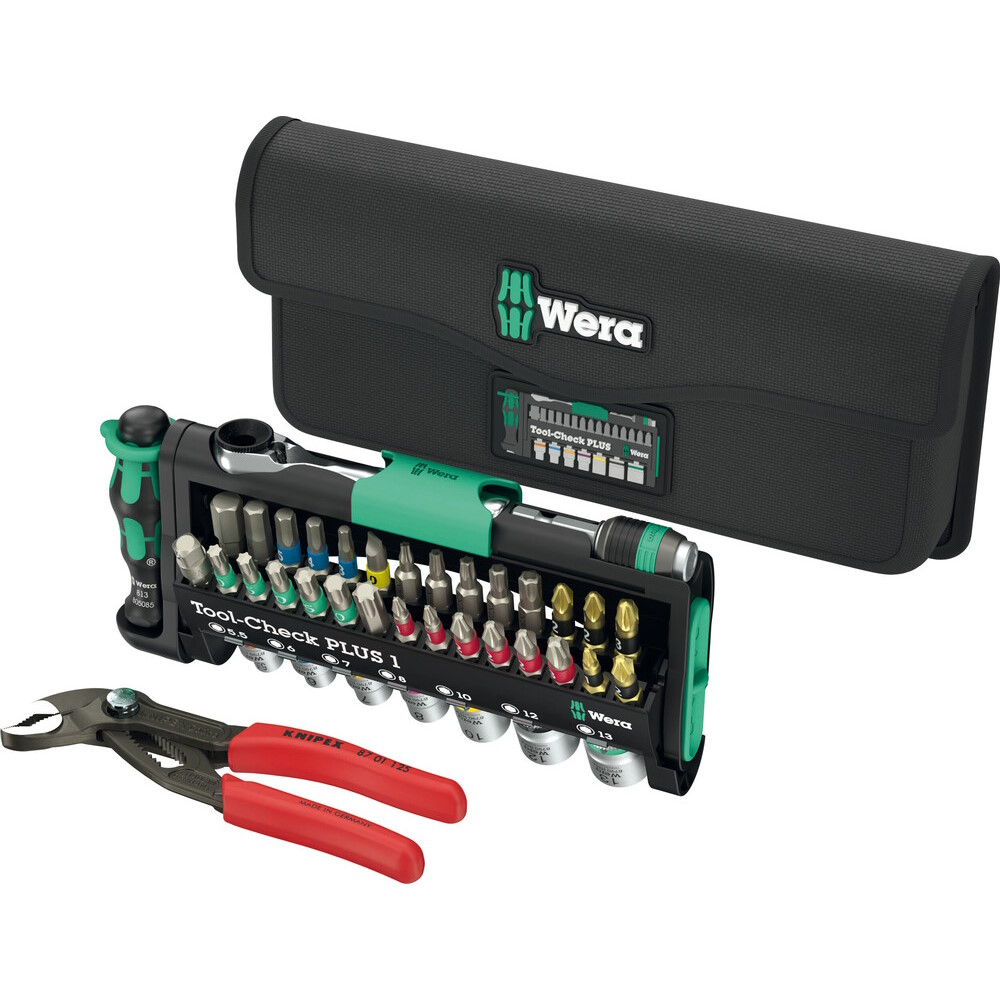
A Wera tool set may contain several types of products, and the case, ratchet, screwdriver, bits, and keys may not share identical warranty treatment. A single set should not be treated as one item with blanket lifetime coverage.
Identify the failed component before submitting a claim. Give Wera the set name, item number, and details of the part that failed. Ask which terms apply to that component, especially if the set includes consumable accessories.
Wera Torque Tool Warranty Explained
Wera torque tools require special attention because their published North American warranty information lists coverage of up to 5,000 torque cycles within one year of purchase. This differs from the limited lifetime warranty described for eligible professional hand tools.
A torque cycle is an operating cycle in which the tool performs its torque-related function. The exact way cycles are counted and the applicable conditions should be confirmed for the specific torque product. Do not assume that every torque wrench, torque screwdriver, or related product has identical terms.
The one-year period and the cycle limit are important when a torque tool develops a fault. A product may have seen relatively little use but still be outside a stated time condition. Another may be within one year but have reached the listed cycle limit. The exact warranty wording determines how those limits apply.
Torque tools also need care beyond warranty coverage. If a torque wrench or torque screwdriver may no longer apply the correct torque, stop relying on it for critical fasteners until its condition has been assessed. Incorrect torque can lead to loose joints, damaged threads, or failures in assemblies where the specified tightening force matters.
Source: bike24.de
Check the purchase date
Keep the receipt or invoice so the purchase date can be confirmed.
Record the item number
Provide the exact model or Wera item number to help identify the applicable terms.
Track usage where possible
For tools used in regular production or service work, keep a suitable record of use and maintenance when available.
Ask about calibration separately
A warranty claim, calibration, adjustment, and repair are different service needs. Confirm which service applies before sending the tool.
Does Wera Provide Torque Tool Calibration?
Wera offers a torque service that includes calibration, adjustment, repair, and certification through its service operation in Wuppertal, Germany. That service information does not mean every calibration or repair is free under the warranty.
If your torque tool needs attention, describe the model, the issue, and any known calibration history. Ask the relevant Wera service team whether the next step is a warranty review, paid service, calibration, or another form of assessment.
How to Submit a Wera Tools Warranty Claim in the USA
The best way to start a Wera warranty claim is through the official Wera Tools North America service and warranty resources. Begin with the current warranty submission page, identify your product, and follow the instructions provided for your region.
Before contacting support, gather the item number, purchase details, and a clear description of the problem. Photos can help explain the damage, although Wera may still need to inspect the physical tool. Do not discard the failed part while the claim is being reviewed.
Wera’s official US-facing service and support page identifies warranty submissions as a service option. Use that page to locate the current process rather than relying on an old form or instructions intended for another country. The UK and European complaint systems may use different forms and regional procedures.
A complete, factual claim is more useful than a long complaint. Explain what the tool was doing, how it failed, and whether it had been modified or repaired. Avoid guessing about the manufacturing cause; describe the facts and let the warranty team assess the issue.
Source: tradetoolgiveaways.co.uk
Step 1: Identify the product
Find the model name and item number. Wera item numbers commonly begin with 05, but verify the number on the product, packaging, or product records.
Step 2: Find proof of purchase
Save the store receipt, online order confirmation, invoice, or other purchase record. If you no longer have it, ask Wera what alternative evidence it accepts.
Step 3: Document the failure
Take clear photos of the full tool, the damaged area, and any identifying marks. Keep the images unchanged so they show the actual condition.
Step 4: Describe the circumstances
State when the issue began, what task you were performing, and how the tool was being used. Mention any prior repair or modification.
Step 5: Submit the request
Use the current official North American warranty submission route and provide the information requested by Wera.
Step 6: Wait for instructions
Do not ship the tool until you understand the return process, required documents, and shipping arrangements.
What Information Should You Include?
A warranty request should give the reviewer enough information to identify the tool and understand the failure. Missing details may lead to follow-up questions or slow the assessment.
Use this preparation list before sending your claim. Submit only the information requested through the official channel, and do not send payment details or unrelated personal data.
Product details
Tool name, model, item number, and the affected component.
Purchase details
Purchase date, seller name, order number, and available proof of purchase.
Failure details
A short description of what happened, when it happened, and the task being performed.
Supporting images
Clear photos of the full tool, the damaged area, and identifying numbers when visible.
Contact information
The details required by the official warranty form so the service team can reply.
Where Can US Buyers Find Official Support?
Start at Wera’s US-facing service and support page at https://www.weratools.com/en-us/service-support. Look for the warranty submission option and check the current instructions before sending the product.
Wera Tools North America lists its service contact email as info@weratools.com in published North American materials. If the online form does not work, contact the company to confirm the correct submission route, regional eligibility, and shipping instructions before proceeding.
Will Wera Replace a Broken Tool for Free?
An approved claim may result in a replacement under the applicable warranty terms. The published North American policy says Wera will send replacement tools at no cost, but return transportation costs are not included. This means you should not assume that every shipping expense will be paid by Wera.
The warranty does not promise an automatic replacement for every broken tool. Wera reserves the right to inspect a claim before issuing a replacement. The cause of the failure, the type of tool, and the stated exclusions all matter.
The exact remedy can depend on the outcome of the review and the terms that apply to your product. Ask whether the tool must be returned, who pays each shipping charge, and whether Wera will replace the item or offer another approved solution.
Keep all emails, claim numbers, shipping receipts, and service instructions. These records help you follow up if the claim takes longer than expected or if you need to clarify a decision.
Source: knivesandtools.fr
Replacement cost
The published policy states that replacement tools are supplied at no cost for approved claims under its terms.
Return shipping
Return transportation costs are not included in the published warranty policy.
Inspection
Wera may need to inspect the tool before deciding whether to approve the claim.
Decision timing
Confirm the expected review time directly with the service team. Do not rely on an unverified standard turnaround promise.
What If You Bought the Tool From a Retailer?
If you bought a Wera tool from a US hardware store, specialist tool shop, or online retailer, keep the seller’s order records. The retailer may help identify the item or explain its own return policy, but a store return window and a manufacturer’s warranty are not the same thing.
Ask whether the retailer handles Wera warranty claims or whether you must contact Wera directly. If the seller offers its own guarantee, check its terms separately. A store’s return deadline does not, by itself, determine the length or scope of a manufacturer’s warranty.
What to Do if Wera Denies Your Warranty Claim
If Wera denies your claim, ask for the specific reason and the warranty condition used to reach that decision. A clear explanation can help you decide whether to provide more information, request another review, or pursue a different remedy.
Start by checking whether the disputed item is an excluded consumable or a product with special terms. Then review the reported cause of failure. If Wera believes misuse, an alteration, neglect, or improper storage caused the damage, compare that explanation with the facts you provided.
If important details were missing from the first request, send relevant supporting evidence through the approved contact channel. A dated receipt, clearer photos, or a more accurate description may help resolve a misunderstanding. Do not change or exaggerate the facts to make a claim appear stronger.
If the decision remains unchanged, you can ask the retailer about its own policy or request information about paid repair or replacement options. For a purchase covered by applicable consumer protection laws, you may also wish to review your rights with the relevant state consumer protection office or another qualified source.
Source: wera.de
Ask for the reason
Request the specific exclusion or condition that led to the decision.
Review your records
Check your receipt, product number, photos, and original claim description for errors or omissions.
Provide relevant evidence
Send missing purchase details or factual information that directly addresses the reason for denial.
Check other remedies
Ask the seller about its return or defect policy and confirm whether a paid repair is available.
Can You Claim a Warranty Without a Receipt?
A missing receipt does not establish whether a Wera warranty claim will be accepted or rejected. The official process and the applicable terms determine what proof is required. A purchase confirmation, invoice, or retailer order record may help establish where and when you bought the item.
Contact Wera before shipping the tool and ask which alternative records it accepts. Do not assume that a product’s age, appearance, or item number alone will prove eligibility.
Can You Repair a Wera Tool Yourself Before Claiming?
Avoid modifying or dismantling a damaged tool before contacting Wera if you plan to seek warranty coverage. The published policy excludes altered tools, so an unauthorized repair or change may complicate the assessment.
If the tool is damaged or may be unsafe, stop using it. Take photos, preserve the affected parts, and ask the warranty team what to do next. Never keep using a cracked, bent, or otherwise compromised tool just to see whether it will last.
How to Protect Your Wera Tools and Warranty
Good care can reduce avoidable damage, but it cannot guarantee warranty approval. The goal is to use each tool as intended, keep it in suitable condition, and retain enough information to explain a failure if one occurs.
Choose the correct tool for the fastener and task. A screwdriver is designed to turn compatible screws, not to act as a pry bar or chisel. A small ratchet is not a substitute for a breaker bar when a fastener requires more force than the tool is designed to handle.
Store tools in a dry, suitable place and keep bits and accessories organized. Moisture, dirt, and poor storage may contribute to corrosion or damage. For torque tools, follow the product’s care and storage instructions, and use a suitable calibration service when the work requires verified torque accuracy.
Keep purchase records in a folder or email archive. Write down the model number when you buy a tool set, especially if the number is printed on packaging that may later be discarded. These simple habits can make support requests easier to handle.
Source: tradetoolgiveaways.co.uk
Use tools for their intended task
Match the tool to the fastener, required force, and working conditions.
Avoid unauthorized changes
Do not modify a tool or attempt an invasive repair before checking the warranty instructions.
Store tools properly
Keep tools clean and dry, and follow the storage instructions for specialized products.
Save proof of purchase
Keep receipts, order confirmations, model numbers, and warranty correspondence.
Inspect damaged tools
Stop using tools that show cracks, bends, or other damage that could make continued use unsafe.
Does Buying From an Authorized Dealer Matter?
The seller and place of purchase can matter when determining which warranty and consumer protection terms apply. Wera provides dealer-finding resources on its official website, which can help buyers identify established sales channels.
Before buying, ask the seller for the exact item number, purchase documentation, and any separate seller guarantee. If you already own the tool, do not assume that a purchase from a particular store guarantees or prevents approval. Confirm eligibility with Wera using your actual purchase details.
Wera Warranty Compared With Common Tool Problems
The type of failure is a useful starting point when deciding whether to submit a claim. The examples below are practical guides, not binding decisions. Wera must assess the actual tool, the cause of the damage, and the terms that apply to the product.
A broken handle, a worn bit, and a torque tool that needs calibration are different problems. Treating them as the same warranty issue can lead to the wrong request or unnecessary shipping costs.
Source: amazon.co.uk
Quick Decision Table
Use this table to choose the next step. When the cause of a failure is unclear, contact Wera before paying for repair or sending the tool.
Eligible professional hand tool breaks during intended use
Potential warranty claim. Document the failure and request an assessment for a material or workmanship defect.
Screwdriver bit wears after repeated use
Generally outside the stated lifetime warranty because bits are listed as consumables. Ask about any separate applicable remedy if the failure appears unusual.
Tool breaks after being used as a pry bar
Coverage may be denied if the damage resulted from misuse or an unintended task.
Tool has been modified or altered
The published policy excludes altered tools. Contact Wera to confirm whether any review remains available.
Torque wrench may no longer be accurate
Stop relying on it for torque-critical work and ask about the applicable warranty, calibration, or service process.
Tool was damaged in poor storage
Improper storage is listed among the exclusions. Explain the facts accurately and ask Wera to assess the case if the cause is uncertain.
Frequently Asked Questions
Q
Do Wera tools have a lifetime warranty?
Eligible Wera professional hand tools have a limited lifetime warranty against breakage caused by defects in materials or workmanship for the normal life of the product. The warranty has exclusions, so it does not cover every product or every type of damage.
Q
Are Wera screwdriver bits covered by the lifetime warranty?
The published North American warranty policy excludes bits, bit holders, and L-keys because they are treated as consumables. If a particular item fails unusually early, contact Wera or the seller to ask whether separate terms or another remedy may apply.
Q
How long is the Wera torque tool warranty?
Published North American warranty information lists coverage for Wera torque products of up to 5,000 torque cycles within one year of purchase. Check the exact terms for your model because product-specific conditions can affect eligibility.
Q
Does Wera charge for warranty replacements?
The published North American policy states that replacement tools are supplied at no cost for approved claims. However, return transportation costs are not included. Confirm the shipping arrangements with Wera before returning a tool.
Q
How do I start a Wera warranty claim in the United States?
Visit https://www.weratools.com/en-us/service-support and find the warranty submission option. Prepare the tool’s item number, purchase details, a clear description of the failure, and photos if available. Follow the current instructions for your product and region.
Q
Can Wera reject a claim for misuse?
Yes. The published warranty excludes tools subjected to abuse, misuse, negligence, improper storage, or alterations. Wera may inspect the tool before deciding whether the failure qualifies for coverage.
Q
Can I submit a Wera warranty claim without proof of purchase?
The information required can depend on the applicable claim process. Contact Wera and ask whether it accepts an invoice, order confirmation, or other purchase record if the original receipt is missing. Do not assume that the item number alone is enough.
✦ Wrapping Up
Conclusion
The Wera tools warranty can protect eligible professional hand tools against breakage caused by defects in materials or workmanship. Still, the limited lifetime warranty has clear boundaries. Consumable items, misuse, neglect, alterations, and improper storage can affect coverage, while torque tools have separate conditions that need careful review.
For US buyers, the most useful next step is to identify the exact tool, collect the purchase record, and describe the failure clearly. Start through Wera’s official North American service and warranty resources. Confirm the shipping process and applicable terms before sending the tool.
A lifetime warranty is helpful, but it is not a promise that every damaged tool will be replaced. A clear claim based on the actual facts gives Wera the information it needs to assess the problem.
💡 Key Takeaway
Visit https://www.weratools.com/en-us/service-support, locate the warranty submission option, and prepare your Wera item number, proof of purchase, photos, and a brief description of the failure before contacting support.