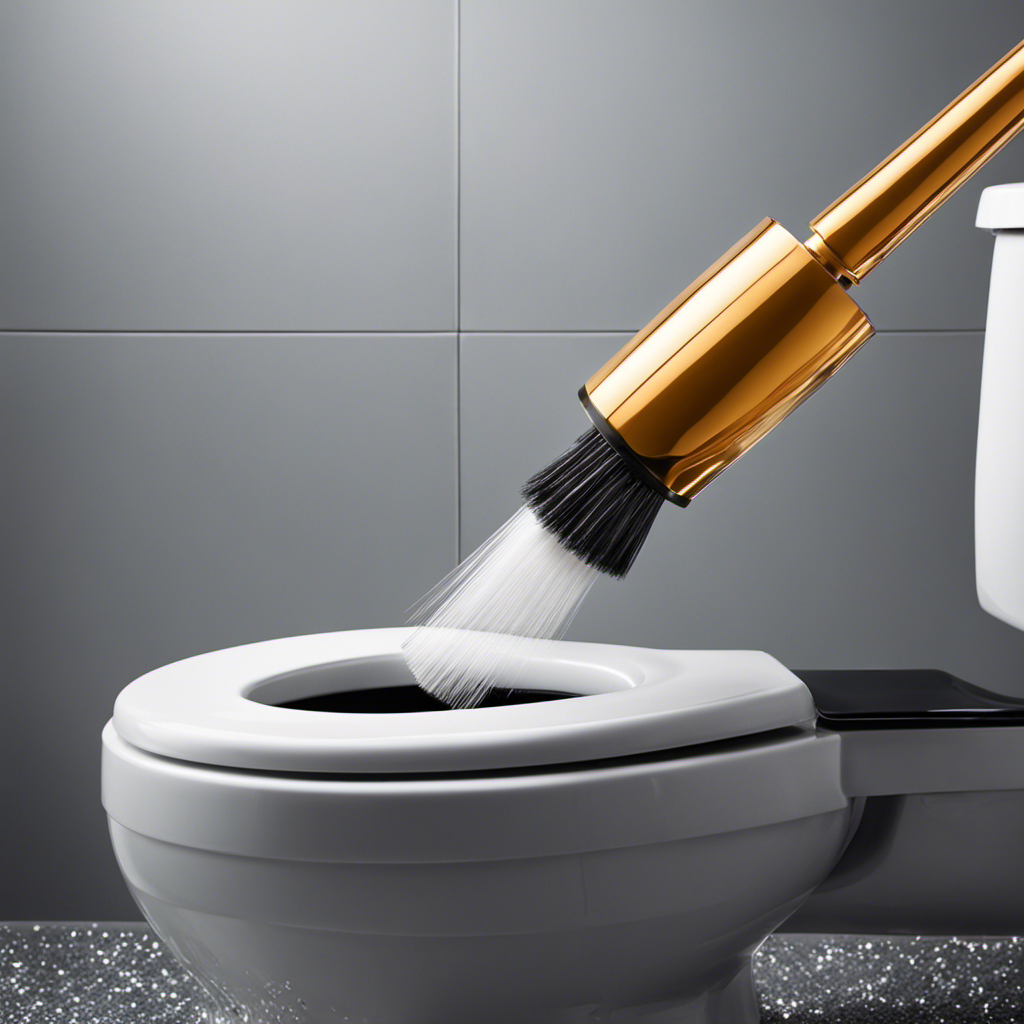
A toilet siphon jet cleaning tool is a small brush or narrow cleaning tool used to remove buildup from the jet opening near the bottom of a toilet bowl. A nylon brush, plastic cleaning pick, or other toilet-safe tool can help clear debris. A suitable mineral deposit cleaner may also help dissolve hard water scale. The right method depends on your toilet model and the type of blockage.
In American homes, a weak toilet flush can have several causes. Hard water may leave chalky deposits in the small openings that guide water into the bowl. Toilet paper or other waste can also block the drain path. Before buying a new toilet or calling a plumber, check whether the siphon jet needs cleaning.
The siphon jet is usually a larger opening near the bottom front of the bowl, below the waterline. It directs water toward the trapway and helps start the siphon action that carries waste away. It is not the same as the small rim jets beneath the bowl rim, though both can collect mineral deposits and affect flushing.
A simple cleaning tool may be enough when the blockage is small and easy to reach. Heavy scale may need a toilet-safe mineral remover and time to soften. If the bowl fills too high, drains slowly, or backs up into nearby fixtures, stop cleaning the jet and check for a drain blockage instead.
A toilet siphon jet cleaning tool is designed to reach a small water outlet inside a toilet bowl. This outlet helps direct water through the bowl and into the trapway during a flush. When the opening gets blocked, the toilet may lose some of its flushing power.
The tool does not need to be complex. A narrow nylon brush, a toilet-safe plastic pick, or a small detail brush may work for light debris. Some cleaning kits also include a flexible handle that helps reach the opening without putting your hand deep into the bowl.
The key is to remove the material without damaging the porcelain glaze or the shape of the opening. A tool that is too wide may not fit. A sharp or rough tool can scratch the surface, while too much force may damage the opening or push debris farther inside.
Source: storage.googleapis.com
Nylon detail brush
Useful for loosening light grime and soft deposits. Choose a small head that fits the opening without force.
Plastic cleaning pick
Can help lift loose material from an accessible opening. Avoid sharp edges and do not force it into the passage.
Flexible cleaning brush
May reach around curves or into recessed areas. Check that the bristles and handle are suitable for toilet use.
Toilet-safe mineral remover
Helps soften hard water scale that a brush cannot remove on its own. Confirm that the product is approved for your toilet and intended use.
Siphon Jet vs. Rim Jets
The siphon jet is generally the larger opening near the bottom front of the bowl. It sends water into the trapway area to help waste move out during a flush. The exact layout varies by toilet design.
Rim jets are the smaller openings beneath the upper rim. They send water around the bowl to rinse the sides. If the water fails to swirl around the bowl, the rim jets may be clogged even when the lower siphon jet is clear.
This difference matters because cleaning only one area may not fix the whole problem. Inspect both locations when the toilet has a weak flush or uneven water flow.
A weak swirl around the bowl
Check the rim jets and the water level in the tank.
A weak flush with a clear rim
Inspect the siphon jet, tank water level, trapway, and drain path.
Signs Your Toilet Siphon Jet Needs Cleaning
A weak or uneven flush is a useful clue, but it does not prove that the siphon jet is blocked. Look at how the water moves and how the bowl drains. These details can help you choose the right next step.
Mineral buildup often looks like a hard, chalky crust around an opening. It may be white, gray, tan, or brown. Loose grime can look darker or feel slimy, while a solid object may create a sudden blockage with little visible scale.
Check the toilet when it is not actively overflowing. If the water rises close to the rim during a flush, do not keep flushing to test it. The bowl may have a drain blockage that needs a plunger or toilet auger.
Source: theplumbero.com
The flush seems weak
The toilet moves waste slowly or does not clear the bowl in one normal flush. Check the tank water level and look for visible deposits before assuming the jet is blocked.
Water flow looks uneven
The bowl may rinse on one side but not the other. This can point to blocked rim jets rather than the lower siphon jet.
Hard crust surrounds an opening
Mineral scale may be narrowing the water passage. A suitable deposit remover may be needed along with gentle brushing.
The problem returns soon after cleaning
Persistent scale, a low tank water level, worn flush parts, or a drain problem may remain. Repeated scraping is not the best next step.
When Cleaning Is Not the Right Fix
If water rises in the bowl and drains slowly, treat the problem as a possible blockage in the trapway or drain line. A siphon jet brush cannot clear every kind of clog.
Gurgling from nearby drains, repeated backups, or several slow drains in the home may point to a shared drain or vent issue. Stop using affected fixtures if wastewater may back up and contact a licensed plumber.
A toilet that flushes weakly even though the jets look clean may have a tank problem. Check the manufacturer’s instructions for the correct tank water level and inspect the flush mechanism only if you can do so safely.
Bowl water rises too high
Stop flushing and use a suitable toilet plunger only if there is enough room to prevent overflow.
Several fixtures drain poorly
Arrange a drain inspection instead of focusing on the toilet jet.
The toilet keeps running
Check the fill valve, flapper, or flush seal according to the toilet manual.
How to Choose the Right Toilet Siphon Jet Cleaning Tool
Choose a tool that fits the opening, reaches the buildup, and will not scratch the toilet. For routine care, a small nylon brush is a sensible first choice. It can loosen dirt while giving you more control than a sharp metal pick.
A flexible handle can help if the jet opening sits deep inside the bowl. A narrow plastic tool may help lift loose debris, but it should not be used to widen the hole or break away porcelain. If the opening is hard to reach, check the toilet maker’s cleaning instructions before trying a different tool.
A tool alone may not remove hard mineral scale. If deposits remain after gentle brushing, consider a toilet-safe mineral deposit cleaner that is approved for the bowl and the relevant internal parts. Follow the label for contact time, ventilation, and rinsing.
Source: cleaningbasic.com
For routine care
Choose a small nylon brush with a firm but flexible head. It should reach the opening without bending or scraping the bowl.
For loose debris
Use a smooth, toilet-safe plastic pick only where the material is visible and easy to reach.
For mineral scale
Use a compatible mineral remover and allow the stated contact time. More force is not a substitute for the correct cleaner.
For deep or hidden blockages
Do not push a cleaning tool far into the passage. Use a plumber or a suitable drain-clearing method if the obstruction cannot be reached safely.
Should You Use a Wire, Needle, or Paper Clip?
A thin metal tool can seem handy, but it can scratch the porcelain glaze or damage an opening if you push too hard. Some toilet makers describe metal tools for specific rim-hole cleaning procedures, while other methods favor softer tools. The instructions for your own model should guide the choice.
Do not use a sharp needle or an improvised tool to scrape blindly inside the lower siphon jet. A smooth plastic pick or nylon brush is a safer first attempt when it fits. Stop if the tool catches, bends, or requires force.
If your toilet manual specifically permits a certain tool for an accessible opening, follow its directions. Never use a tool to enlarge the hole or alter the shape of the jet.
Avoid force
The tool should move gently. Resistance can mean the opening curves, narrows, or contains a hard deposit.
Protect the glaze
Do not scrape visible porcelain with a sharp metal edge or abrasive pad.
Step-by-Step Guide to Cleaning a Toilet Siphon Jet
You can often clean an accessible siphon jet with basic supplies and a careful method. Start with an inspection, remove loose debris, and use a compatible cleaner only if needed. Do not begin by pouring chemicals into the bowl or scraping hard at the opening.
Before you start, check the toilet manual if the model has special cleaning rules. Wear waterproof cleaning gloves, keep the room well ventilated, and protect nearby surfaces from splashes. Never mix toilet cleaners, even if the first product seems too weak.
Source: 1tomplumber.com
What you need
Rubber cleaning gloves, a small mirror, a flashlight, a nylon brush or toilet-safe plastic pick, and a compatible toilet cleaner if mineral scale is present.
What to avoid
Boiling water, sharp scraping tools, abrasive pads, and mixtures of bleach, acids, vinegar, ammonia, or other cleaning products.
Step 1: Inspect the Jet Opening
Put on gloves and look at the lower front area of the bowl. Use a small mirror and flashlight to locate the opening and check for visible debris or hard deposits. Do not reach blindly into a narrow passage.
Look beneath the rim as well. If the rim jets are coated with scale, note that they may need separate cleaning. A blocked lower jet and clogged rim jets can produce similar symptoms, so inspection helps prevent wasted effort.
Step 2: Check for a Drain Blockage
If the bowl water sits at its normal level and the toilet drains without backing up, gentle jet cleaning may be reasonable. If the water rises high or drains slowly, do not keep flushing to test the jet.
A drain blockage needs a different approach. Use a suitable toilet plunger or toilet auger according to its instructions, or call a plumber if the blockage persists. Cleaning the jet will not remove an obstruction deep in the trapway or drain line.
Step 3: Remove Loose Debris
Use a small nylon brush to clean around the opening. Move it gently over visible grime and loose deposits. If the material comes away easily, rinse the brush as needed and keep going without pressing hard.
A smooth plastic pick may help lift loose material from an accessible edge. Do not push it far into the passage or use it to force a hard deposit loose. Stop if the tool catches or the opening is difficult to reach.
Step 4: Treat Hard Water Scale
If the opening has a chalky crust, brushing alone may not be enough. Use a toilet-safe mineral deposit cleaner that the toilet manufacturer permits. Follow the product label for the amount, application method, contact time, ventilation, and rinsing.
White vinegar may help with some mineral deposits, but it is not suitable for every toilet part or every cleaning situation. Check the manufacturer’s instructions first, and never combine vinegar with bleach or another cleaner. Do not assume that a longer soak is safe unless the product and toilet instructions allow it.
Keep cleaning products away from children and pets. Do not leave a chemical treatment unattended if the label requires special precautions. If a cleaner causes strong fumes or an unexpected reaction, move away from the area and follow its emergency directions.
Step 5: Brush Again and Rinse
After the permitted contact time, gently brush the opening again. The goal is to loosen softened deposits, not to scrape the porcelain. Wipe the accessible area with a suitable cloth or disposable paper towel if needed.
Restore the water supply if you turned it off, following the toilet instructions. Flush only when the bowl can drain safely and the cleaning product label permits it. Keep the area clear of tools and cleaning supplies.
Step 6: Test the Flush
Watch how water enters the bowl and how the bowl drains. A better swirl or a more even rinse can suggest that the rim jets are clearer. A stronger, more complete flush may suggest that the lower jet or another restriction has improved.
One successful flush does not prove that every internal passage is clear. Check for normal drainage, leaks, unusual sounds, and water rising too high. If the flush remains weak, move to the other checks instead of repeating the same cleaning step.
Cleaning Tools Compared: Which One Should You Use?
The best tool depends on what is blocking the opening. A brush works well for loose grime, while a compatible cleaner is more useful for mineral scale. A drain-clearing tool is needed when the real problem is a clog beyond the jet.
Use the table below to compare common options. These are general uses, not a claim that every tool will fit every toilet. Check the opening and the manufacturer’s directions before choosing.
Source: storage.googleapis.com
Nylon brush
Best starting point for routine cleaning and loose deposits. It is easy to control and less likely to scratch porcelain than a sharp metal edge.
Plastic pick
Useful for accessible debris that a brush cannot lift. It is not intended to widen the jet or clear deep drain blockages.
Toilet-safe mineral cleaner
Useful for hard scale that resists gentle brushing. Compatibility and contact time depend on the product and toilet.
Toilet auger
Useful for certain clogs in the toilet trapway. It is a different tool from a jet cleaner and should be used according to its instructions.
A Simple Decision Guide
If you can see soft debris at the opening, start with a nylon brush. If you see hard scale, use a compatible mineral cleaner and then brush gently. If the bowl backs up or drains slowly, stop jet cleaning and address the blockage.
If none of these steps changes the flush, check the tank water level and flush parts. Persistent poor flushing may require an inspection of the trapway, drain line, or vent. A plumber can help find a hidden fault without repeated trial and error.
Visible loose dirt
Start with a brush and a normal rinse.
Hard mineral crust
Use an approved mineral remover as directed.
Water rises or backs up
Stop flushing and investigate a drain blockage.
Jet looks clear but flush stays weak
Check tank water level, flush parts, trapway, and drain or vent conditions.
Common Mistakes to Avoid
The main cleaning mistake is using more force or stronger chemicals than the job requires. Porcelain can look tough, but its glazed surface can be scratched. Internal toilet parts can also be harmed by cleaners that are not approved for them.
A second mistake is assuming that every weak flush comes from a dirty siphon jet. Tank water that is too low, a worn flapper, a blocked trapway, or a drain problem can cause similar symptoms. A quick check of the whole flushing system can save time and prevent damage.
Source: storage.googleapis.com
Using a sharp tool blindly
A needle, knife, or rough wire can scratch the bowl or damage the opening. Use a toilet-safe tool and stop if you meet resistance.
Mixing cleaning products
Never combine bleach with vinegar, acidic cleaners, ammonia, or other products. Dangerous gases or reactions can result.
Using boiling water
Boiling water can cause thermal stress and may damage the toilet. Follow the cleaner and toilet maker’s temperature guidance.
Leaving chemicals in the bowl too long
Longer contact is not always better. Follow the label and the toilet manufacturer’s instructions rather than guessing.
Flushing a toilet that may be clogged
Repeated flushing can cause an overflow. Stop if the water rises too high or does not drain as expected.
Scraping the porcelain
Abrasive pads and forceful metal scraping can harm the glaze. Choose a soft or approved tool and let a suitable cleaner soften scale.
A Note About In-Tank Cleaners
Do not assume that a cleaner sold for toilet tanks is safe for your toilet. Some products can damage seals, valves, or other internal parts, especially when they contain strong chlorine compounds. Read the toilet manual before using any in-tank treatment.
For a weak flush, cleaning the accessible jet openings and checking the tank parts is often a more targeted first step. If you are unsure whether a product is compatible, leave it out until you can verify the instructions.
How to Prevent Siphon Jet Buildup
Regular, gentle cleaning can help keep mineral deposits from building up around the jet opening. The best schedule depends on your water quality, toilet use, and the cleaner you use. Homes with hard water may need more frequent checks than homes with fewer mineral deposits.
A quick inspection during normal bathroom cleaning can help you spot scale before it becomes thick. Clean the bowl and underside of the rim with products approved for your toilet, and check that the small rim holes remain open. Avoid harsh scraping as a routine habit.
Source: toiletsadviser.com
Inspect the openings
Use a mirror and flashlight to look for chalky buildup, blocked holes, or uneven water flow.
Clean on a steady schedule
Use a toilet-safe cleaner according to its label. Adjust the routine if deposits return quickly.
Check the tank
Confirm that the water level and flush mechanism match the manufacturer’s guidance.
Use the right tools
Keep a dedicated nylon brush or suitable detail brush for the task. Clean and store it safely after use.
Act early when the flush changes
A new weak flush or uneven rinse is a reason to inspect the toilet. Do not wait until the bowl repeatedly backs up.
Does Hard Water Make Cleaning More Difficult?
Yes, hard water can leave mineral deposits as water passes through the toilet. Over time, these deposits may narrow small openings and make cleaning harder. The amount of buildup depends on the water and how the toilet is used.
If scale returns soon after cleaning, check whether your home has hard water and whether the product you use is intended to remove mineral deposits. Do not increase the cleaner strength or contact time beyond the label to compensate.
Persistent deposits inside an inaccessible passage may need professional cleaning or inspection. Repeated scraping is unlikely to be the best answer when you cannot reach the buildup safely.
Troubleshooting a Weak Flush After Cleaning
If cleaning the siphon jet does not restore normal flushing, check the other parts of the system in a safe order. Start with simple things you can see, such as the tank water level and the water supply valve. Follow the toilet manual before adjusting or taking apart any mechanism.
The flush depends on more than one opening. Water must enter the bowl at the right rate, pass through the trapway, and drain through the waste line. A blockage or fault in any of these areas can produce a weak flush even when the siphon jet looks clean.
Source: cleaningbasic.com
Check the tank water level
Compare the water level with the fill mark or the instructions for your model. Do not guess at a setting if the toilet has a special flush mechanism.
Check the water supply valve
Confirm that the valve is open as required. Do not force a stuck or leaking valve.
Inspect the flush mechanism
A loose chain, worn flapper, or faulty valve can reduce the amount of water released during a flush.
Check for a trapway blockage
A toilet auger may help with a suitable blockage in the toilet. Follow its directions and avoid tools that can damage the bowl.
Consider the drain and vent
Repeated slow drainage, gurgling, or problems in several fixtures may need a plumber to inspect the waste line or vent.
When to Call a Plumber
Call a plumber if the toilet repeatedly backs up, several fixtures drain slowly, wastewater appears in another drain, or the flush remains weak after basic checks. These signs can point to a deeper obstruction or a plumbing fault.
Professional help is also sensible when the siphon jet is damaged, the toilet leaks, a shutoff valve will not operate, or cleaning would require taking apart parts you do not know how to service. Stop using the toilet if continued use may cause an overflow.
Tell the plumber what you observed, which areas you cleaned, and which products you used. Keep the product containers or labels available if a chemical was involved. This information can help guide the next inspection.
Frequently Asked Questions
Q
What is the best tool for cleaning a toilet siphon jet?
A small nylon brush is a sensible first choice for loose grime and light buildup. A smooth, toilet-safe plastic pick may help with visible debris that a brush cannot lift. For hard mineral scale, use a compatible mineral deposit cleaner according to its label and your toilet manufacturer’s instructions.
Q
Where is the siphon jet hole in a toilet?
On many siphonic toilets, the siphon jet is a larger opening near the lower front of the bowl, often below the waterline. The exact position varies by model. It is different from the smaller rim jets located beneath the upper rim.
Q
Can vinegar clean a clogged toilet siphon jet?
Vinegar may help soften some mineral deposits, but it will not clear every blockage. Check the toilet maker’s guidance before using it, follow safe handling instructions, and never mix vinegar with bleach or another cleaner. A solid obstruction or deep drain clog needs a different method.
Q
How often should I clean toilet siphon jets?
Inspect the openings during routine bathroom cleaning and clean them when you see buildup or notice uneven water flow. Homes with hard water may need more frequent attention. Use the cleaning schedule and products recommended for your toilet rather than following a fixed schedule that may not fit your water conditions.
Q
Why is my toilet still flushing weakly after cleaning the jet?
The tank water level may be low, the flush valve may not release enough water, or the trapway or drain line may be blocked. The rim jets may also remain clogged. Check the tank and visible openings, but call a plumber if the bowl backs up, several fixtures drain slowly, or the problem continues.
Q
Can I use a metal wire to clean a siphon jet?
Do not use a sharp wire blindly inside the lower jet. It may scratch porcelain, damage an opening, or become stuck. Follow the instructions for your toilet model and start with a nylon brush or suitable plastic tool. Use a metal tool only if the manufacturer specifically permits it for the opening and method in question.
Q
Is a siphon jet cleaner the same as a toilet auger?
No. A siphon jet cleaning tool removes accessible debris or deposits around the water outlet. A toilet auger is designed to help clear certain blockages in the toilet trapway. Choose the tool based on the problem, and do not try to force a jet brush through a deep drain clog.
✦ Wrapping Up
Conclusion
A toilet siphon jet cleaning tool can help restore normal water flow when loose debris or mineral buildup blocks the jet opening. For many routine jobs, a small nylon brush and a careful inspection are enough to get started. A compatible mineral cleaner may help when hard scale does not come away with gentle brushing.
The main goal is to clean the opening without scratching the porcelain or harming internal parts. Inspect the rim jets too, since they serve a different purpose. If the flush remains weak, check the tank water level and look for signs of a trapway, drain, or vent problem.
💡 Key Takeaway
Put on gloves, inspect the siphon jet with a mirror and flashlight, and start with a small nylon brush. Use only a compatible cleaner when needed, never mix cleaning products, and stop if the bowl backs up or the blockage cannot be reached safely.