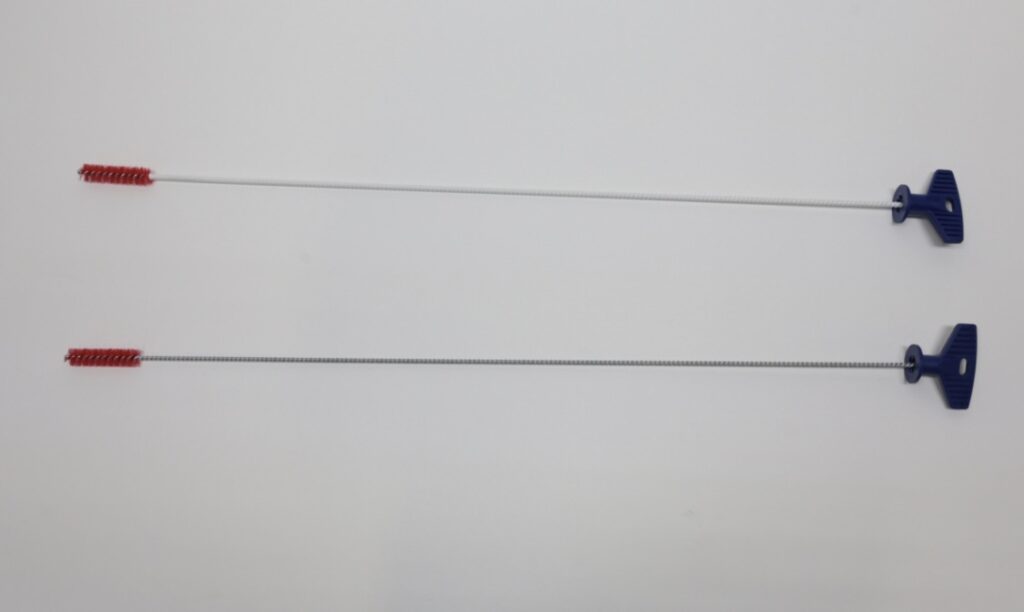
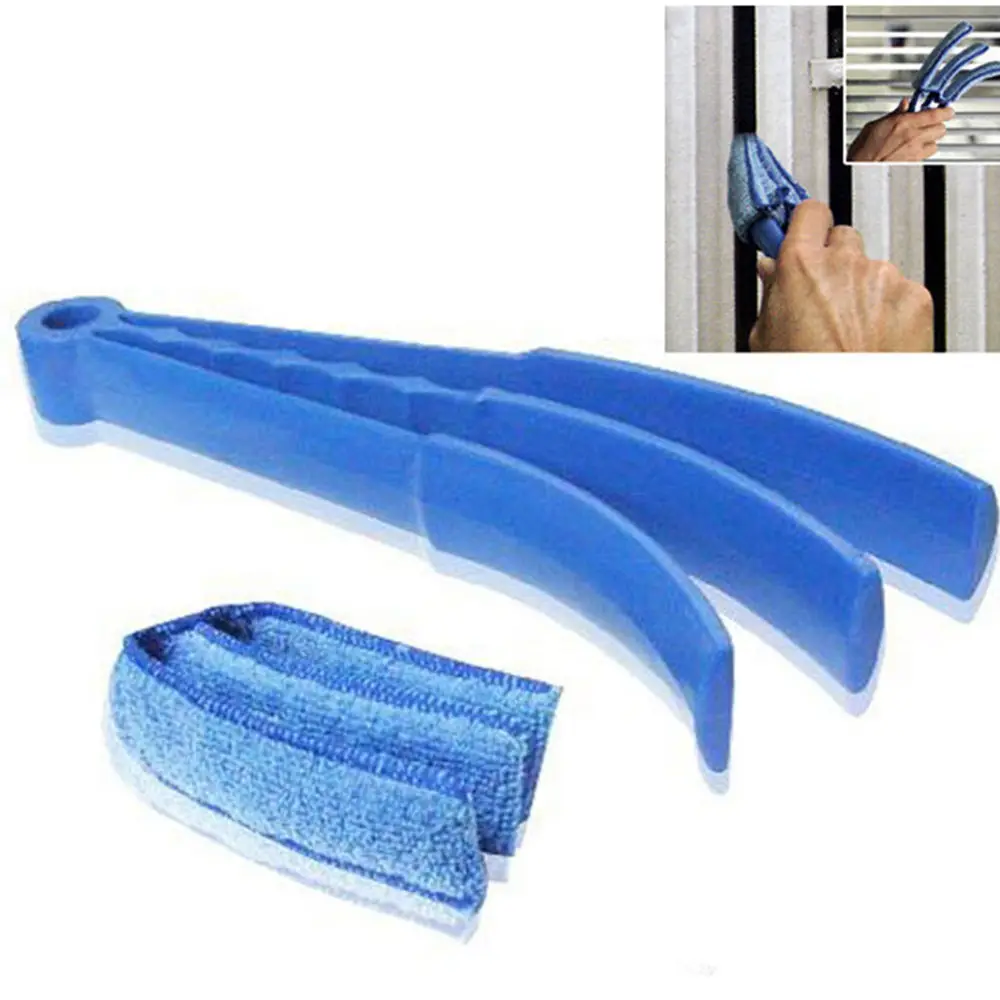
An air gap cleaning tool helps remove food bits, grease, and other debris from a dishwasher air gap. A small cleaning brush, soft bottle brush, or toothpick may work for light buildup. You can often clean the fitting without buying a special tool.
In homes across the United States, a dishwasher air gap may sit beside the kitchen faucet or near the back of the sink. This small fitting helps stop dirty drain water from flowing back into the dishwasher. When food waste or grease blocks the fitting or its drain hose, water may spill from the top during a wash cycle.
The right air gap cleaning tool depends on where the clog sits. A soft brush can loosen debris near the opening, while a careful rinse can wash away loose bits. A blockage deeper in the hose or garbage disposal may need a different fix. Start with the simple steps below, and follow the care guide for your dishwasher and air gap.
An air gap cleaning tool is a small brush or hand tool used to clear debris from a dishwasher air gap. Some products are sold for this task, while common cleaning brushes can also work. The goal is to remove loose waste without harming the fitting or its hoses.
A dishwasher air gap is a plumbing part, not a part of the dishwasher itself. It often looks like a short metal or plastic cylinder on the sink or countertop. One hose carries wastewater from the dishwasher to the air gap. A second hose leads from the air gap to the sink drain or garbage disposal.
The open space inside the fitting helps guard against dirty water flowing back into the dishwasher. If waste blocks the path, water may rise and spill from the vent. Cleaning can fix a small blockage, but a blocked hose or drain may need more work.
Source: flashsplash.org
Small cleaning brush
A soft brush can loosen food bits near the opening and inside parts that are easy to reach.
Narrow bottle brush
A slim brush may help clean a removable cap or a reachable section of the fitting. Check the brush size before use.
Wooden toothpick
A toothpick may lift a small piece of debris from the cap or opening. Use a light touch and do not push it into a hose.
Turkey baster
A baster can direct a small amount of warm water into the opening to rinse loose debris when the maker’s instructions allow it.
Does Every Dishwasher Need a Special Tool?
No. Many air gaps can be cleaned with a basic brush and a cloth. The exact tool depends on the shape of the fitting and the location of the clog. A tool made for narrow gaps may be useful, but it is not a must for routine care.
Do not assume that a brush sold as an air gap cleaner fits every model. Check its width, length, and material. A brush that is too wide may get stuck, while a stiff metal tip may scratch or damage the fitting.
Choose soft bristles
Soft nylon or similar bristles are a sensible choice for light cleaning and help reduce the risk of scratches.
Check the fit
Use a tool that can reach the dirty area without force. Stop if it catches or will not move freely.
Why a Dishwasher Air Gap Gets Clogged
An air gap can clog when food bits, grease, or other waste builds up in the drain path. The debris may collect near the cap, inside the fitting, or in the hose that leads to the sink drain or disposal. Cleaning only the visible opening will not solve every blockage.
Small food scraps can enter the dishwasher drain during normal use. Grease can cling to parts of the drain path, and waste from a sink drain may make an existing restriction worse. A clogged dishwasher filter or sink drain can also affect how well the whole system drains.
If water shoots out of the air gap while the dishwasher drains, treat it as a sign of a blockage. The problem may be in the fitting, the outlet hose, the sink drain, or the garbage disposal. The location matters because each part needs a different check.
Source: m.media-amazon.com
Food debris
Bits of food may gather around the cap or block a narrow passage.
Grease buildup
Grease can cling to drain parts and trap other debris over time.
Blocked sink drain
A slow or clogged sink drain can prevent wastewater from leaving the air gap as it should.
Disposal connection issue
A new garbage disposal may have a drain inlet knockout plug that was not removed during installation.
Signs That the Air Gap Needs Cleaning
Water spilling from the top of the fitting is one of the clearest signs of a possible blockage. You may also hear unusual gurgling near the sink or notice that the dishwasher drains more slowly than usual. These signs point to a drain problem, but they do not prove that the air gap itself is the only cause.
Check the sink drain and dishwasher filter as well. If the sink holds water or drains slowly, the trouble may sit farther down the plumbing line. If the dishwasher still holds water after the air gap is clean, the drain hose, pump, or another part may need attention.
Water spills from the vent
Inspect the air gap and the hose that leads to the sink drain or disposal.
The dishwasher drains poorly
Check the air gap, filter, sink drain, and hose for signs of a blockage.
The sink gurgles or drains slowly
Look for a sink drain clog instead of assuming the air gap is at fault.
How to Clean a Dishwasher Air Gap Step by Step
You can often clean a dishwasher air gap with a soft brush, a cloth, and warm water. Work slowly and keep track of each part as you remove it. If your model has a different design, follow its own care instructions instead of forcing the cap or cover off.
Before you begin, switch the dishwasher off and let any active cycle stop. Keep a small bowl or towel near the sink to catch drips. You do not need to disconnect plumbing for a basic cleaning of a removable cap.
Source: dedjh0j7jhutx.cloudfront.net
Tools to gather
Prepare a soft brush, a cloth, warm water, and a small bowl. Keep a toothpick nearby only if the cap has a small piece of debris that needs gentle removal.
Step 1: Turn Off the Dishwasher
Stop the dishwasher before you remove the cover. If the machine is running, let it stop fully before you work near the drain fitting. Keep your hands away from any moving or powered parts.
Stay safe
Do not clean the fitting while the dishwasher is pumping water. If you need to inspect wiring or electrical parts, stop and seek qualified service.
Step 2: Remove the Outer Cover and Cap
Most common air gaps have an outer cover that lifts off, with a plastic cap below it. Lift the cover gently, then unscrew or unclip the cap as the maker directs. Some designs differ, so do not twist hard if the cap will not move.
Place each part on a clean cloth in the order you removed it. This makes it easier to put the fitting back together the right way.
Avoid excess force
A stuck cover may need a model-specific method. Pliers or hard twisting can crack plastic parts or damage the finish.
Step 3: Remove Loose Debris
Look inside the exposed opening for food bits or other loose waste. Lift out debris that you can reach without force. Use a soft brush or toothpick gently on accessible areas, and avoid pushing material farther into the fitting.
Do not insert a long, stiff tool blindly into the air gap. The drain hoses connect below the fitting, and a tool used with too much force may damage a part or lodge waste deeper in the line.
Clean the cap
Rinse the removable cap and brush away any film or loose debris.
Keep the opening clear
Remove only material you can see or reach safely. Do not force a brush into a narrow passage.
Step 4: Rinse With Warm Water
Use a small amount of warm water to rinse away loose residue when the maker permits it. A turkey baster can help direct the water into the opening without a hard spray. Avoid boiling water, strong drain chemicals, or any cleaner not approved for the fitting.
If water cannot pass through the air gap, stop and check the drain path. Repeated flushing will not fix a firm blockage in a hose or sink drain.
Use a gentle rinse
A controlled flow can wash away loose debris without splashing water across the counter.
Step 5: Check the Drain Path
Look beneath the sink only if you can do so safely and without pulling on the hoses. Check for a visible kink or crushed section in the hose that runs from the air gap to the sink drain or disposal. Do not disconnect a hose unless you know how to contain the water and refit the connection correctly.
If a garbage disposal was just installed, check its installation guide for the dishwasher drain inlet knockout plug. Removing that plug may require taking the drain hose off. Unplug the disposal before any such work, and follow the maker’s instructions. If you are unsure, ask the installer or a plumber.
Look for kinks
A bent or pinched hose can restrict drainage.
Check the disposal setup
A missed knockout plug can stop wastewater from leaving the dishwasher drain hose.
Step 6: Refit the Parts and Test
When the cap and opening are clean, put the cap back in place and refit the outer cover. Make sure the parts sit as intended and do not wobble. Do not run the dishwasher with a loose or missing air gap cover if the fitting instructions require it.
Run a suitable short cycle or drain test while watching the fitting and sink drain. Water should not spill from the air gap during normal draining. If the leak returns, stop the cycle and check the other drain components.
A good result
The fitting stays dry on the outside, and the dishwasher drains without a new pool of water.
If the problem remains
Do not keep repeating the same cleaning step. Look for a downstream clog or call a qualified plumber.
How to Choose the Right Air Gap Cleaning Tool
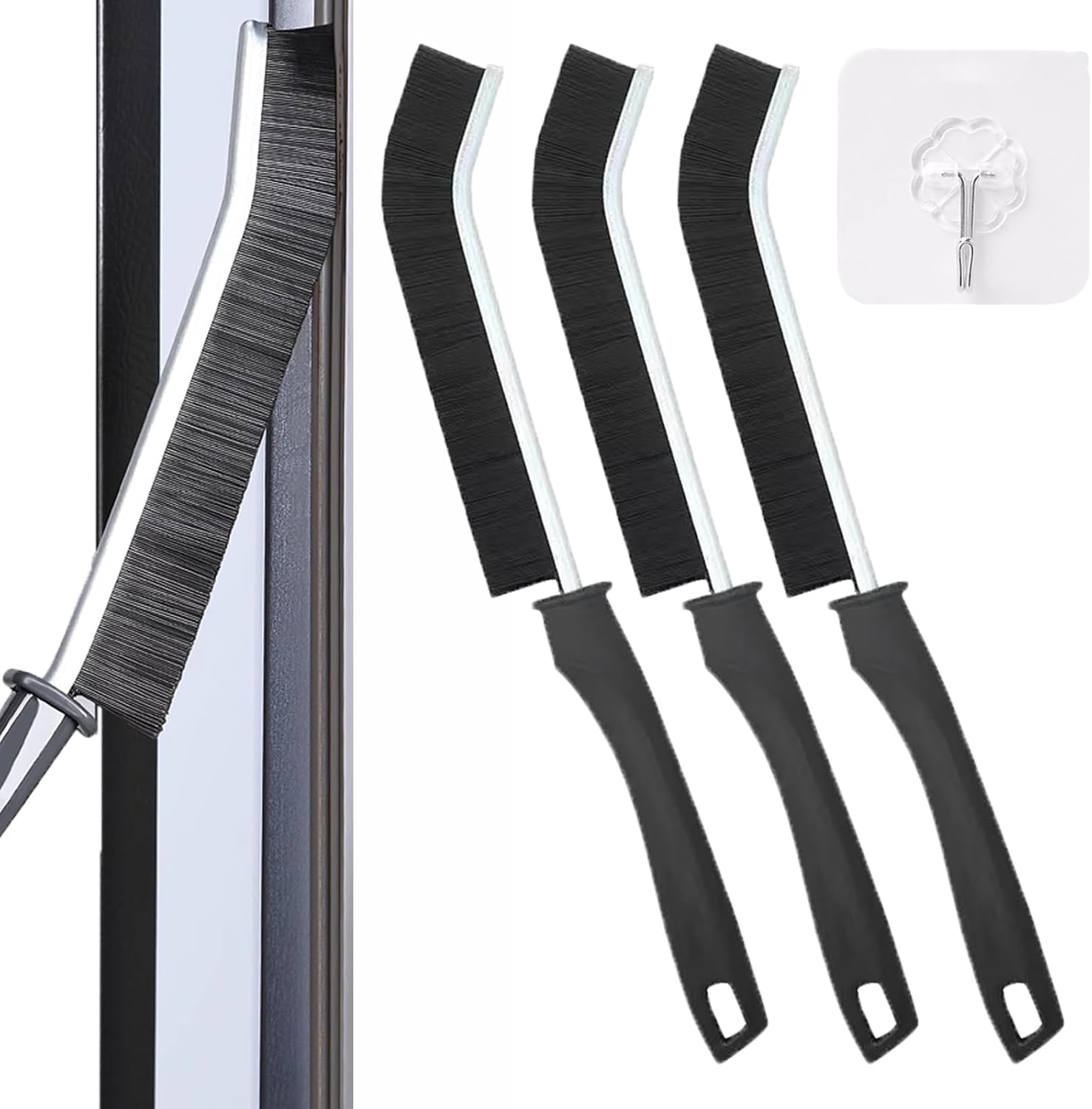
Choose a tool based on the size of the opening, the type of debris, and the part you need to clean. A small soft brush is a good starting point for routine care. A long brush may help with some removable parts, but it should never be forced into a hose or hidden passage.
You do not need a costly kit for every small clog. A basic brush and a careful rinse may be enough. If debris sits deep in the drain hose, buying a longer brush will not always solve the problem and could make it worse.
Source: m.media-amazon.com
For light debris
Use a small soft brush or a wooden toothpick to remove visible waste from accessible areas.
For cap residue
Choose a brush that fits the removable cap without scratching its surface.
For a deeper clog
Inspect the drain hose and sink drain. A plumber may need to clear a blockage that the brush cannot reach.
For routine upkeep
A simple brush that is easy to rinse and dry is often more useful than a large set of tools.
Brush Versus Toothpick
A brush works well for loose residue over a wider area. It can sweep food bits from the cap and loosen film without the sharp point of a pick. A wooden toothpick may help lift one small piece of debris, but it has little reach and can break if pushed too hard.
Neither tool should be forced deep into the plumbing. If you cannot reach the blockage with light, controlled movement, stop and check the hose or call for help.
Choose a brush for general cleaning
Its bristles can loosen a thin layer of residue and clean the surface of a removable part.
Choose a toothpick for a small visible bit
Use it with care near the opening, and remove it before rinsing the part.
When a Specialty Tool Makes Sense
A specialty air gap brush may help if the fitting has a narrow shape that a regular brush cannot reach. Before buying one, check the product dimensions and the air gap maker’s care guide. Product names alone do not prove that a tool will fit your fitting.
Avoid buying a tool just because a dishwasher is not draining. The real problem may be a clogged sink drain, a kinked hose, a blocked filter, or an installation issue. Finding the source first can save time and prevent damage.
Check the dimensions
Compare the brush diameter and length with the area you plan to clean.
Check the material
Soft, nonabrasive bristles are a sensible choice for plastic and finished metal parts.
Troubleshooting After Cleaning the Air Gap
If water still spills from the air gap after cleaning, the blockage may sit farther down the drain path. Start with the simplest safe checks before removing hoses or opening plumbing parts. The air gap is only one part of the dishwasher drain system.
A clean fitting cannot make a clogged sink drain flow freely. The dishwasher filter, drain hose, garbage disposal, and drain pump may also affect the result. Check one likely cause at a time so you can tell whether the cleaning step helped.
Source: m.media-amazon.com
Water still spills from the air gap
Check the outlet hose and sink drain for blockage. If the problem continues, contact a plumber.
The dishwasher holds water
Check the dishwasher filter and follow the appliance manual for drain troubleshooting.
The sink drains slowly
The sink drain may be blocked. Clearing only the air gap may not fix it.
The issue began after disposal installation
Ask the installer to verify the dishwasher drain connection and the disposal knockout plug.
Do Not Use Chemical Drain Cleaner in the Air Gap
Do not pour a strong chemical drain cleaner into the air gap as a first fix. The product may not reach the blockage, and the liquid can splash or remain in the fitting. Chemicals may also harm some materials or create a hazard if someone later takes the part apart.
Use the cleaning method stated in the appliance or air gap instructions. If the sink drain itself is clogged, choose a method suitable for that drain or contact a plumber. Never mix drain chemicals with other cleaners.
Avoid boiling water
Very hot water may damage some plastic parts or seals. Use only the water temperature allowed by the product instructions.
Do not force tools
A stiff wire, metal pick, or oversized brush can scratch, puncture, or lodge inside a narrow part.
When to Call a Plumber
Call a qualified plumber if the air gap keeps overflowing after a careful cleaning and a check of accessible drain parts. Professional help is also sensible if a hose connection leaks, the drain line is blocked beyond your reach, or the fitting is cracked. Stop using the dishwasher if continued use could spill water into cabinets or onto the floor.
If the dishwasher does not drain and the air gap appears clear, appliance service may be needed. A faulty pump or another internal issue can cause poor drainage. Do not open electrical parts or attempt repairs that fall outside your skill or the manufacturer’s guidance.
Repeated overflow
A recurring leak may point to a blockage deeper in the drain system.
Cracked or loose fitting
A damaged part may need replacement and a check of its hose connections.
Electrical or pump concerns
Leave internal appliance diagnosis to a qualified service technician.
How to Keep the Dishwasher Air Gap Clean
Simple upkeep can help keep the air gap clear, though no fixed cleaning schedule suits every home. Check it when the dishwasher drains poorly or when you see water near the vent. You can also inspect the cap from time to time as part of normal kitchen care.
Keep the dishwasher filter clean according to the owner’s manual. Scrape large food scraps into the trash before loading dishes, and avoid sending grease or large food waste into the sink drain. These steps can reduce debris in the drain system, but they cannot prevent every clog.
If you use a garbage disposal, follow its own care instructions. Run it as directed before starting the dishwasher when this is part of the manufacturer’s guidance. Never put your hand inside the disposal, even when it appears to be off.
Source: airgapcleaningtool.com
Inspect the cap
Look for visible food waste or buildup and clean it when needed.
Clean the dishwasher filter
Use the steps and cleaning frequency listed in your appliance manual.
Keep the sink drain clear
Do not pour grease or large food scraps into the drain.
Check after plumbing work
If a disposal or dishwasher was just installed, confirm that the drain hoses are connected as required.
How Often Should You Clean an Air Gap?
There is no single cleaning interval that fits all air gaps. How often you need to clean yours depends on food waste, grease, dishwasher use, and the condition of the drain system. Follow the product instructions and clean the fitting when buildup appears or drainage problems begin.
A quick visual check can help you catch loose debris before it builds up. Avoid taking the fitting apart more often than needed, since careless handling can damage the cap or leave it loose.
Clean when needed
Use visible buildup and drainage symptoms as practical signs that inspection is due.
Follow the manual
Use the care guidance for your exact dishwasher and air gap design.
Frequently Asked Questions
Q
What is the best tool for cleaning a dishwasher air gap?
A small soft brush is a useful first choice for most routine cleaning. It can loosen food bits and light residue without the harsh action of a metal tool. A wooden toothpick may help remove a small piece of visible debris, while a narrow bottle brush may suit a removable cap. Choose a tool that fits without force and follow the fitting maker’s instructions.
Q
Can I clean an air gap without removing it?
You can often clean loose debris from an air gap by removing its outer cover and accessible cap. The whole plumbing fitting usually does not need to come off for basic cleaning. Turn off the dishwasher first, and do not disconnect the hoses unless you know how to contain the water and restore the connections safely.
Q
Why does water come out of my dishwasher air gap?
Water coming out of the air gap often signals a blockage in the fitting, its outlet hose, the sink drain, or the garbage disposal. Remove loose debris from accessible parts and inspect the visible drain path for kinks. If the water still spills after cleaning, stop the dishwasher and arrange further checks.
Q
Can I use a wire or metal brush to clear an air gap?
A stiff metal brush or wire is not a good first choice. It can scratch the fitting, damage plastic parts, or push debris deeper into a narrow passage. Use a soft brush that fits the opening. If the blockage cannot be reached gently, check the hoses or call a plumber instead.
Q
Do all US homes have a dishwasher air gap?
No. Some homes have a visible air gap on the sink or countertop, while other dishwasher drain setups use a different approved arrangement. Plumbing rules vary by location, and local codes may require a specific connection method. Check your local plumbing requirements and the dishwasher installation manual before changing the drain setup.
Q
What should I do if the air gap is clean but the dishwasher will not drain?
Check the dishwasher filter, sink drain, and accessible drain hose for signs of blockage. If a garbage disposal was recently installed, ask the installer to check whether its dishwasher inlet knockout plug was removed. If the dishwasher still holds water, the pump or another part may need service.
✦ Wrapping Up
Conclusion
An air gap cleaning tool can help remove food waste and buildup from a dishwasher drain fitting. For many homes, a small soft brush, a cloth, and a gentle rinse are enough for basic care. The key is to clean only the parts you can reach safely and avoid forcing tools into narrow passages.
If water still spills from the air gap after cleaning, check the outlet hose, sink drain, and garbage disposal setup. A deeper blockage or a damaged part may need professional help. Cleaning the visible fitting is a useful first step, but it is not a fix for every dishwasher drain problem.
💡 Key Takeaway
Turn off the dishwasher, remove the air gap cover and cap as directed, clear visible debris with a soft brush, rinse gently, refit the parts, and test the drain. If overflow returns, stop and check the drain path or contact a plumber.