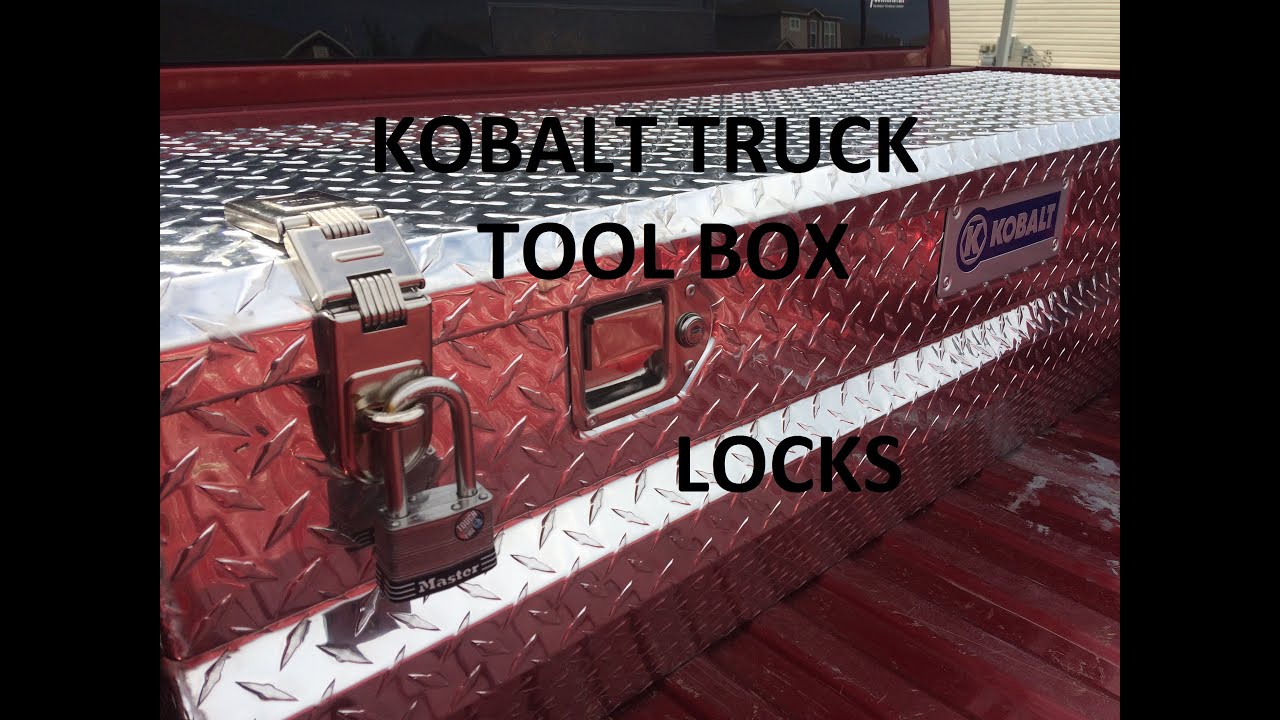
If your Kobalt truck tool box lock is stuck, broken, or missing its key, start by checking the lock code and the exact toolbox model. You may only need a replacement key. A damaged lock may need a matching replacement cylinder or help from Kobalt customer service.
Across the United States, pickup truck owners use toolboxes to store wrenches, drills, work gear, tie-downs, and other items. A working lock helps keep that gear in place while the truck is parked at home, on a job site, or at a roadside stop. When the key goes missing or the lock stops turning, the box can become a real hassle.
The right fix depends on the problem. A lost key does not always mean you need a new lock, and a replacement lock that looks right may still fail to fit. Kobalt has sold different truck storage products, so the model number, lock code, and lock shape matter when you order parts.
This guide explains how to identify your Kobalt truck tool box lock, get a replacement key, check common faults, and decide when to replace the lock cylinder. It also covers safe ways to handle a locked box when the original key is gone. The aim is to help you avoid buying the wrong part or damaging the lid and latch.
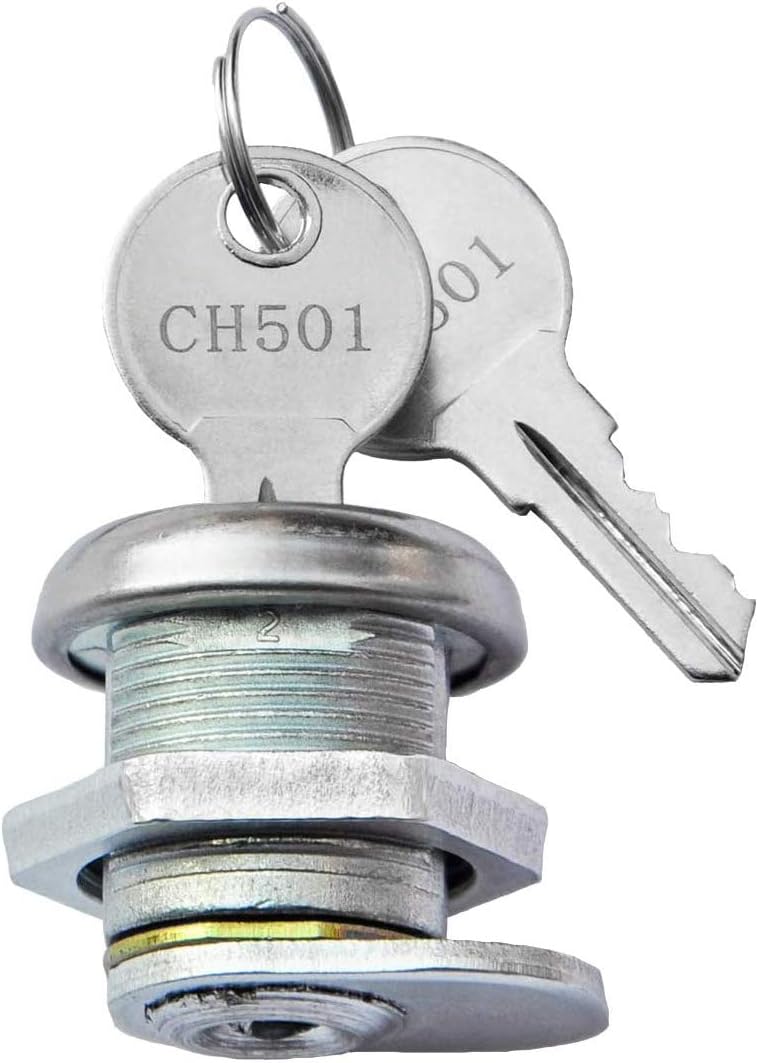
A Kobalt truck tool box lock keeps the lid or latch in a locked position until the correct key operates the cylinder. The cylinder is the part that accepts the key. When the key turns, the lock mechanism moves a cam or latch that allows the lid to open.
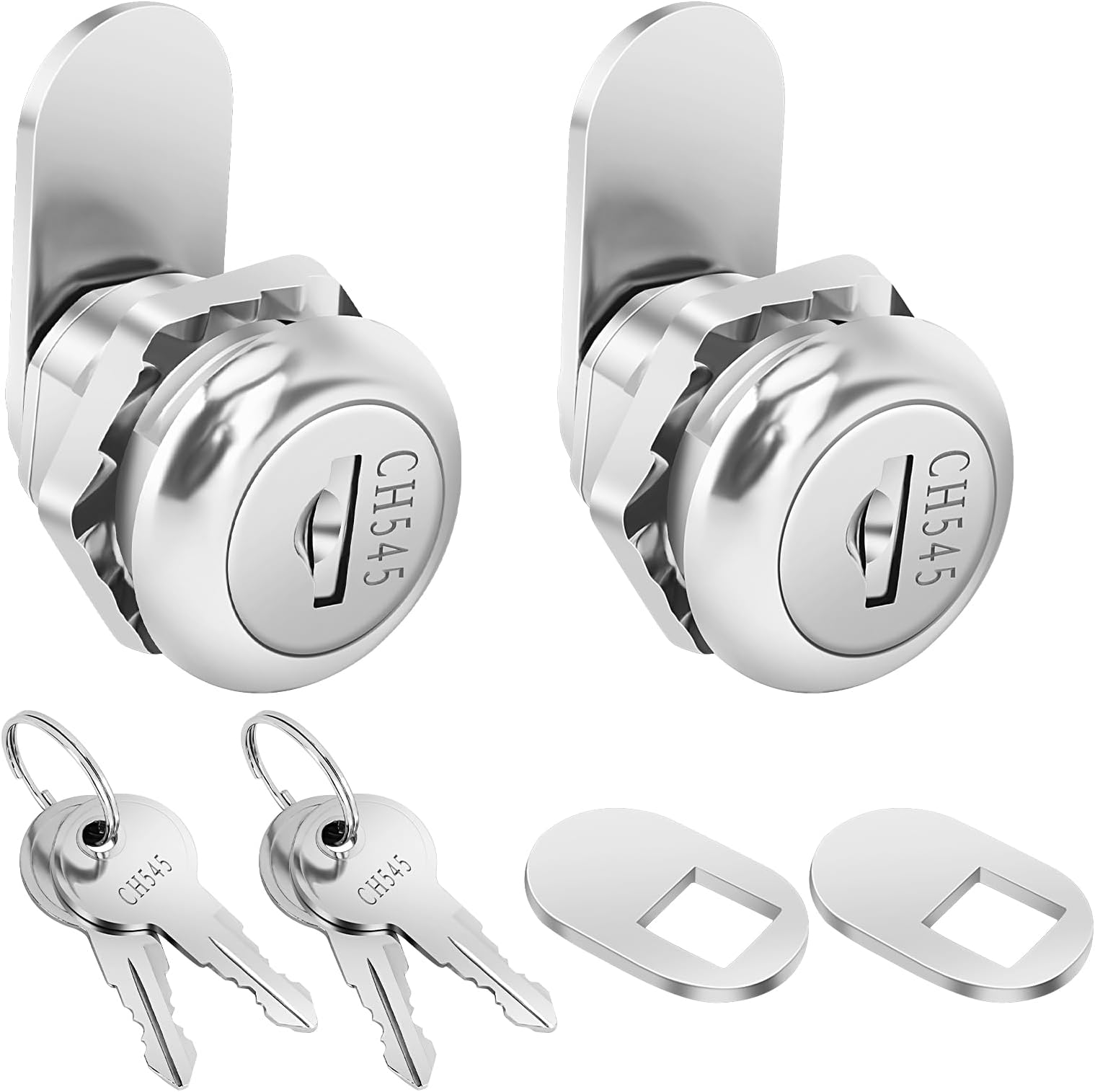
The exact design depends on the toolbox model. Some truck boxes use a round, barrel-style cylinder. Other models may use a different lock body or latch setup. A replacement part must match the original design and its mounting points.
The lock is only one part of the system. A bent latch, shifted lid, worn handle, or damaged linkage can stop the box from opening even when the cylinder still works. Check the full mechanism before deciding that the lock itself has failed.
Source: m.media-amazon.com
Lock cylinder
The cylinder reads the key pattern and turns when the correct key operates it. A worn or damaged cylinder may resist turning or fail to move the latch.
Key code
Some locks have a code stamped on the lock face. That code may help the manufacturer or a suitable key supplier identify the correct replacement key.
Latch mechanism
The latch holds the lid shut. A jammed latch can feel like a failed lock, even when the cylinder still turns.
Mounting hardware
Nuts, clips, screws, and retaining parts hold the lock in place. The correct hardware depends on the toolbox design.
Why the Exact Kobalt Model Matters
Kobalt truck boxes and Kobalt rolling tool cabinets are not all fitted with the same lock. A replacement part listed for a rolling cabinet may not fit a pickup truck box. Even two truck boxes with similar lids can have different cylinders or latch layouts.
Look for the model number on the product label, purchase record, manual, or other product paperwork. If the label is missing, take clear photos of the lock face, the outside of the box, and any visible markings. Share those details with customer service before ordering.
Match the product type
Confirm that the part is meant for a Kobalt truck toolbox, not a rolling chest or another storage product.
Match the lock design
Compare the cylinder shape, body length, mounting method, and latch connection.
Check the code
Copy every letter and number exactly. A small mistake can lead to the wrong key.
How to Get a Replacement Kobalt Truck Tool Box Key
If you lost your key but the lock still looks intact, start by asking for a replacement key. You may not need to replace the entire lock. The best first step is to find the code on the lock face or in the paperwork supplied with the toolbox.
Kobalt product support information published through Lowe’s directs customers to Kobalt customer service for replacement key help on applicable products. The published customer service number is 1-888-356-2258. Have your model details and lock code ready when you call.
Do not assume that a key marked for another brand will fit just because it looks similar. Key profiles and cuts can differ between brands and product lines. Ask the seller or support team to confirm compatibility with your exact lock.
Source: m.media-amazon.com
Step 1: Find the lock code
Check the front of the cylinder for a stamped code. Use a light and take a photo if the marks are hard to read. Do not remove a locked cylinder just to search for the code.
Step 2: Record the model details
Write down the toolbox model number, any product number, and the approximate purchase date if known.
Step 3: Contact Kobalt support
Call 1-888-356-2258 and ask whether a replacement key is available for your specific truck toolbox. Confirm the current price, shipping cost, and expected delivery time.
Step 4: Check the key before use
Compare the received key with the order details. Insert it gently and test the lock without forcing it.
What If the Lock Code Is Missing?
A missing or unreadable code does not always mean the lock must be replaced. Give customer service the model number, clear photos, and a description of the lock. They may be able to identify the correct part or explain what information is still needed.
If the original key is available but the code is hard to read, a qualified locksmith may be able to assess the key and determine whether a copy can be made. Do not rely on a guessed code or buy a key solely because its listing says it fits many toolboxes.
Use clear photos
Photograph the lock straight on and include any visible numbers, brand marks, and the surrounding latch.
Keep proof of ownership
A receipt, product label, or other purchase record may help when requesting support or locksmith service.
How to Troubleshoot a Kobalt Truck Tool Box Lock
Start with the least invasive checks. Look for pressure on the lid, dirt around the keyway, a bent key, or a latch that does not move freely. These checks can help you narrow down the cause without taking the lock apart.
Park the truck on level ground and secure it before working on the box. Keep your hands clear of pinch points around the lid and latch. If the lid is heavy or supported by gas springs, do not let it fall while you inspect the mechanism.
Never force a key that will not turn. A bent key can snap inside the cylinder, and heavy force can damage the lock or latch. If gentle checks do not help, stop and seek a compatible replacement part or professional assistance.
Source: m.media-amazon.com
The key will not enter
Check whether the key is bent, damaged, or the wrong type. Clear loose surface dirt with a soft brush and do not push the key into the cylinder by force.
The key enters but will not turn
Check for a worn key, dirt, corrosion, or pressure from the lid against the latch. If the lock remains stuck, the cylinder may need service or replacement.
The key turns but the lid stays shut
The latch or connecting parts may be jammed, bent, or disconnected. A turning cylinder does not prove that the full mechanism is working.
The key turns too freely
The cylinder may no longer engage the latch, or a connecting part may have broken. Stop repeated attempts and inspect the mechanism only when the box is open and safe to access.
The lock works only sometimes
Look for a bent key, loose lock hardware, dirt, corrosion, or lid alignment problems. Fix the underlying issue rather than relying on repeated force.
Check for Pressure on the Lid
A toolbox lid can press against its latch when the box is overfilled, the lid is misaligned, or the truck is parked on uneven ground. That pressure may make the key hard to turn even when the lock is not broken.
If the box is already open, remove items that press against the lid and check that the latch lines up with its catch. Close the lid gently and test the key. If the box is locked shut, do not pry the lid or pull hard on the handle to release pressure. Ask a locksmith to assess it if gentle, safe checks fail.
Look for a poor fit
Check whether the lid sits evenly and whether the latch meets its catch without rubbing.
Check the load
Keep tools and loose items clear of the lid and latch path.
Clean and Lubricate the Lock Carefully
Dust, grit, and moisture can affect a lock that sees regular outdoor use. Wipe the outside with a clean cloth and remove loose dirt around the keyway. Use only a lubricant suitable for the lock material and follow its label.
Avoid pouring oil, grease, or household cleaner into the cylinder without checking whether it is suitable. Some products attract dirt or leave residue. If the cylinder has visible rust, a broken key, or internal damage, cleaning alone may not solve the problem.
Use a gentle method
Start with a dry cloth and a soft brush. Do not use sharp metal objects to scrape inside the keyway.
Test with care
Try the correct key with light pressure after cleaning. Stop if it binds, bends, or will not turn.
How to Replace a Kobalt Truck Tool Box Lock
Replace the lock only after confirming that the cylinder is faulty or that a compatible replacement is needed. A lost key alone may be solved with a replacement key, while a damaged latch may need a different part. Matching the original hardware is more useful than choosing a lock based on appearance alone.
Before buying anything, compare the old lock with the replacement specifications. Check the cylinder length, body diameter, mounting nut or clip, keyway position, and the way the cam or latch connects. A part that is too short, too long, or shaped differently may not engage the latch correctly.
The steps below apply to a toolbox that is already open and has an accessible, removable lock. Some Kobalt truck boxes use different hardware. Follow the manual for your exact model, and stop if the lock is riveted, sealed, or difficult to reach without damaging the box.
Source: m.media-amazon.com
Step 1: Confirm the replacement part
Match the toolbox model and lock design. Check with Kobalt support or a qualified locksmith if the fit is uncertain.
Step 2: Open the toolbox
Unlock the box with the correct key before removing the cylinder. Do not attempt normal replacement steps on a locked box that you cannot access.
Step 3: Secure the lid
Keep the lid supported and remove nearby tools or items that could fall or obstruct the work area.
Step 4: Inspect the retaining hardware
Identify the nut, clip, screws, or other parts that hold the cylinder. Refer to the model’s manual before removing anything.
Step 5: Remove the old lock
Follow the documented removal method for the exact model. Keep the old hardware in a safe place so you can compare the parts.
Step 6: Fit the replacement
Install the new cylinder in the correct direction and secure it with the specified retaining hardware. Do not overtighten parts that could deform the lock body or box panel.
Step 7: Test before closing
With the lid open, turn the key and watch the latch move. Check the locked and unlocked positions several times before closing the lid.
How to Know the Replacement Fits
A suitable replacement should sit firmly in the mounting hole, stay in place when the key turns, and move the latch through its intended range. The key should enter and turn without excessive force.
If the cylinder rotates inside the panel, the retaining hardware may be loose or incorrect. If the key turns but the latch does not move, the cam may be misaligned or incompatible. Do not close the lid until the lock works as intended.
Check the mounting
The cylinder should be held securely without rocking or spinning in the panel.
Check the latch travel
The locking part should move fully between the locked and unlocked positions.
Keep the spare key
Store the spare away from the toolbox and record the code and model details for future use.
Can You Use a Universal Truck Toolbox Lock?
A universal truck toolbox lock may work with some Kobalt boxes, but the word universal does not mean that every lock fits every model. The replacement must match the opening, cylinder length, retaining hardware, and latch connection. It must also leave enough room for the mechanism to move.
Many replacement listings describe a cylinder by its body length or by a measurement such as 5/8 inch. That measurement alone does not confirm compatibility. A lock with the right diameter can still have the wrong cam shape, mounting depth, or key position.
Before ordering an aftermarket lock, compare its full dimensions with the original part and ask the seller to confirm that it fits your exact toolbox model. If the box is still covered by a warranty, check the applicable terms before changing the hardware.
Source: m.media-amazon.com
Cylinder dimensions
Check the mounting hole size and the length of the lock body behind the panel.
Cam or latch shape
The turning part must reach and move the existing latch in the correct direction.
Mounting style
Check whether the replacement uses the same nut, clip, screws, or other retaining parts.
Key arrangement
Decide whether you need one key for one box or matching keys for more than one compatible lock.
Keyed Alike vs. Keyed Different
Keyed alike means that multiple compatible locks are made to work with the same key. Keyed different means each lock has its own key. These terms describe the key arrangement, not the physical fit of the lock.
If you want one key for two truck boxes, make sure the locks are sold as a matching keyed-alike set. Two locks that look alike do not necessarily share a key. Ask the seller to confirm the key arrangement before purchase.
Choose keyed alike
This can reduce the number of keys you carry when the locks are supplied as a compatible set.
Choose keyed different
This gives each lock its own key pattern, which may suit boxes that need separate key control.
What to Do If Your Kobalt Toolbox Is Locked and the Key Is Lost
If your Kobalt truck tool box is locked and the key is missing, begin with key replacement support rather than trying to break into the box. Find the model number and any lock code you can safely read from the outside. Contact Kobalt customer service and ask whether a compatible replacement key is available.
If you need access sooner, a qualified locksmith may be able to inspect the lock and discuss lawful entry options. Explain that the box belongs to you and provide proof of ownership if requested. The right method depends on the lock design, the condition of the box, and whether the cylinder can be serviced without damage.
Avoid drilling the lock or removing rivets based on a general online tip. Some older support answers mention drilling out rivets as a way to reach a locked box, but that can damage the lid, latch, finish, or nearby hardware. It may also leave you needing more parts than a simple replacement key would have required.
Source: i.ytimg.com
Try official support first
Give customer service the product model, lock code, and photos. Ask about replacement keys, lock parts, current costs, and expected delivery.
Use a qualified locksmith when needed
A locksmith can assess the lock and explain the least damaging lawful option for opening it.
Protect the stored tools
Do not hammer the lock, bend the lid, or pull hard on the handle. Those actions may turn a small lock problem into a larger repair.
Check the box after access is restored
Inspect the cylinder, latch, lid alignment, and retaining hardware before using the box again.
When Should You Stop DIY Repairs?
Stop if the key has snapped inside the cylinder, the lock body is badly corroded, the latch is bent, or the lid will not release with gentle handling. Also stop if reaching the mechanism would require drilling, cutting, or removing structural parts without a model-specific repair method.
Professional help is especially useful when the toolbox is mounted on a truck and the lock is difficult to reach. A locksmith or suitable repair service can assess the options and explain the risk of damage before work begins.
Broken key
Do not push the broken piece deeper into the lock. Ask a locksmith whether it can be removed safely.
Damaged latch
A new cylinder may not solve a latch problem. Have the full mechanism checked.
Uncertain replacement method
Use the correct product manual or qualified help rather than guessing how the lock is retained.
How to Keep a Kobalt Truck Tool Box Lock Working
Basic care can help prevent dirt, moisture, and poor alignment from causing lock trouble. Truck boxes face rain, dust, road spray, and changes in temperature. A quick check now and then can reveal a problem before the key stops working.
Keep the lid and latch area clear of loose tools, grit, and debris. Wipe away water and dirt after rough weather or work in dusty conditions. If you use a lock lubricant, choose one suitable for the cylinder and follow the product directions.
Check the lock when the box is open. The key should turn smoothly, the cylinder should stay secure, and the latch should move without catching. If the lid needs a hard push or pull to lock, look for a fit or alignment issue instead of relying on extra force.
Source: m.media-amazon.com
Keep a spare key
Store it in a secure place separate from the truck toolbox. A spare may save time if the main key is lost.
Record the lock code
Keep the code and model number in a secure note or with the product paperwork. Avoid posting key codes publicly.
Check the lid fit
Look for rubbing, uneven gaps, or pressure against the latch that could make locking harder.
Inspect after rough use
Check for loose hardware, rust, and visible damage after heavy use or exposure to harsh weather.
Does a Toolbox Lock Make Your Tools Theft-Proof?
No. A working lock can help deter casual access, but it does not make a truck toolbox theft-proof. The strength of the box, its mounting hardware, the latch, and the way it is secured all affect how well it protects the contents.
For valuable tools, use sensible layers of protection. Park in a secure place when possible, keep the box locked, avoid leaving expensive gear in plain sight, and consider additional security measures that suit your truck and toolbox. Do not rely on the lock alone to protect costly equipment.
Secure the toolbox
Check the mounting hardware and follow the installation instructions for your model.
Limit visible valuables
Keep tools covered and avoid advertising expensive gear when the truck is unattended.
Review your insurance
If you carry costly work tools, check your policy to understand what theft coverage may apply.
Replacement Key or New Lock: Which Fix Makes Sense?
The best repair depends on what has failed. If the lock turns normally with a working key but yours is missing, a replacement key is usually the first option to explore. If the key turns but the latch does not move, replacing the cylinder alone may not fix the problem.
Use the table below to narrow down the next step. These are practical starting points, not a diagnosis of every Kobalt model. The exact repair depends on the condition and design of your toolbox.
Source: m.media-amazon.com
Lost key, healthy lock
Ask Kobalt support about a replacement key using the model and lock code.
Worn or damaged cylinder
Confirm a matching replacement lock and check the mounting and latch connection.
Key turns but latch does not move
Inspect the latch and connecting parts. A cylinder replacement may not be enough.
Lock is jammed shut
Avoid force. Contact support or a locksmith to discuss safe access and repair.
Quick Repair Decision Table
Match the symptom to the next step before spending money on parts. If more than one fault is present, fix the cause that prevents the lock from working first.
The key is missing
First choice: replacement key. New lock: only if a key cannot be sourced or the cylinder is faulty.
The key is bent or worn
First choice: ask about a correctly cut replacement key. Do not keep using a bent key that may snap.
The cylinder is loose
First choice: check the retaining hardware while the box is open. Replace damaged parts as needed.
The latch is bent or broken
First choice: identify the correct latch or linkage part. A new key will not repair broken hardware.
The lock is badly corroded
First choice: have the cylinder assessed. Replacement may be more practical than continued attempts to free it.
Frequently Asked Questions
Q
How do I get a replacement key for a Kobalt truck tool box?
Find the lock code and toolbox model number, then contact Kobalt customer service at 1-888-356-2258. Ask whether a replacement key is available for your exact model. Confirm the current price, shipping cost, and delivery time before placing an order.
Q
Can I replace a Kobalt truck toolbox lock myself?
Yes, if the box is open, the lock is designed to be removed, and you have a compatible replacement part. Follow the manual for your exact model and test the new lock with the lid open. If the box is locked shut or the lock is riveted or damaged, get professional help rather than forcing it.
Q
Will a universal 5/8-inch toolbox lock fit my Kobalt box?
Not always. The stated measurement may describe only one part of the cylinder. Check the full body dimensions, mounting method, cam shape, and latch connection. Confirm compatibility with the seller or Kobalt support before buying.
Q
Why does my Kobalt truck tool box key turn but not open the lid?
The latch may be jammed, bent, disconnected, or under pressure from the lid. If the box is open, inspect the mechanism and check that the latch moves freely. If it remains locked, do not pry the lid or keep turning the key with force. Contact a locksmith or support service.
Q
Can I use a replacement key from another toolbox brand?
Only if the key supplier confirms that the exact key code and lock type are compatible. Similar-looking keys can have different cuts. Match the lock code and product details instead of relying on appearance alone.
Q
What should I do if the Kobalt truck tool box lock is completely stuck?
Check for a bent key, visible dirt, or pressure on the latch only if you can do so safely. Do not force the key, hammer the cylinder, or pry the lid. If gentle checks fail, contact Kobalt customer service or a qualified locksmith to assess the lock and avoid unnecessary damage.
Q
Does replacing the lock mean I need to replace the whole toolbox?
Usually, a faulty lock does not by itself mean the entire toolbox needs replacement. If the box and latch are in good condition, a compatible replacement cylinder or latch part may be enough. Check the part availability and repair cost before deciding whether a larger replacement is worthwhile.
✦ Wrapping Up
Conclusion
A Kobalt truck tool box lock problem often has a simple starting point: identify the lock, check the key code, and find out whether the key or the mechanism has failed. If the key is missing, ask about a replacement before buying a new cylinder. If the key turns but the lid stays shut, inspect the latch as well as the lock.
Kobalt customer service at 1-888-356-2258 is a useful first contact for replacement key and part questions. Have your model number, lock code, and clear photos ready. If you need a new lock, match its dimensions and latch connection rather than relying on a universal label.
Do not force a stuck key or damage the box to get quick access. A compatible part or qualified locksmith may save you from a larger repair. Once the lock works again, test it with the lid open, keep a spare key in a secure place, and record the details you may need next time.
💡 Key Takeaway
Before ordering a Kobalt truck tool box lock or key, record the toolbox model number and lock code, contact Kobalt support, and confirm the exact part compatibility.