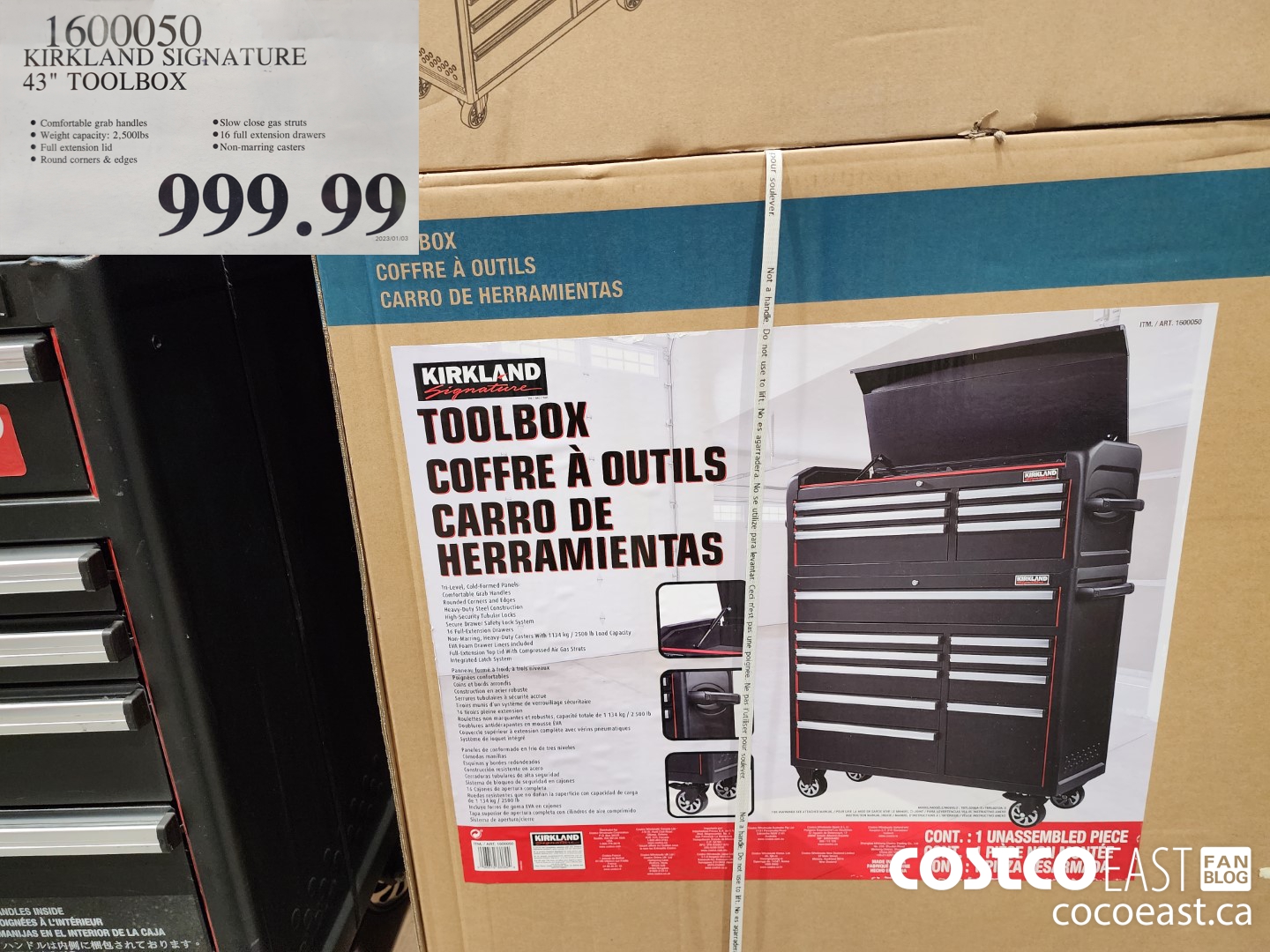
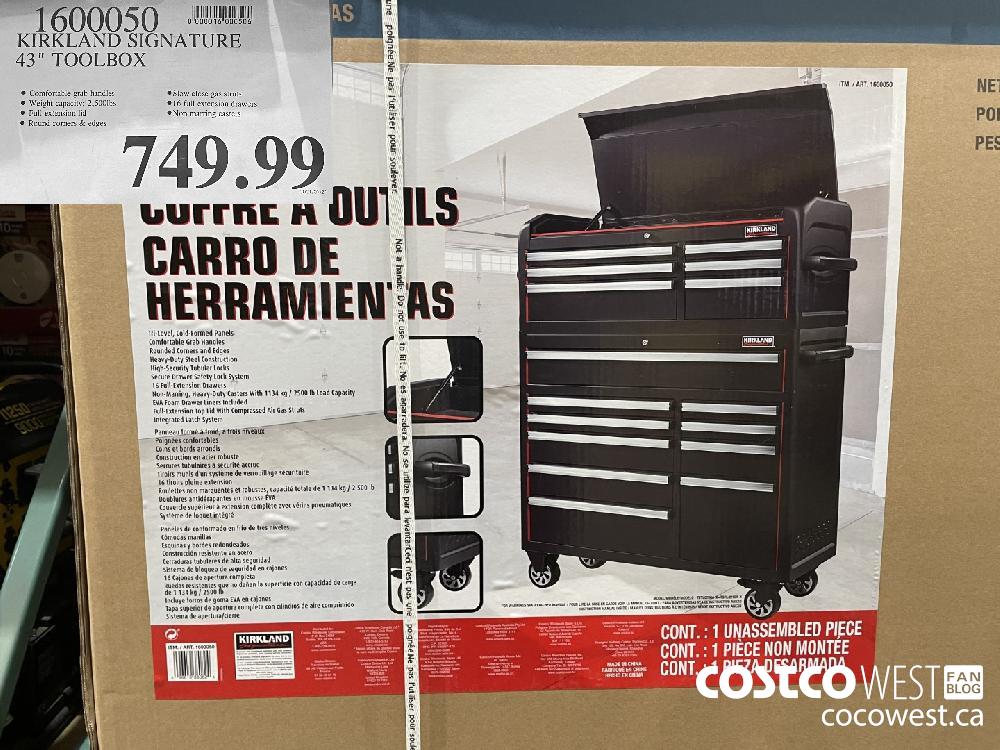
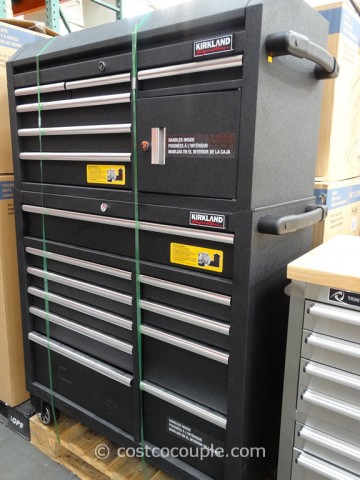
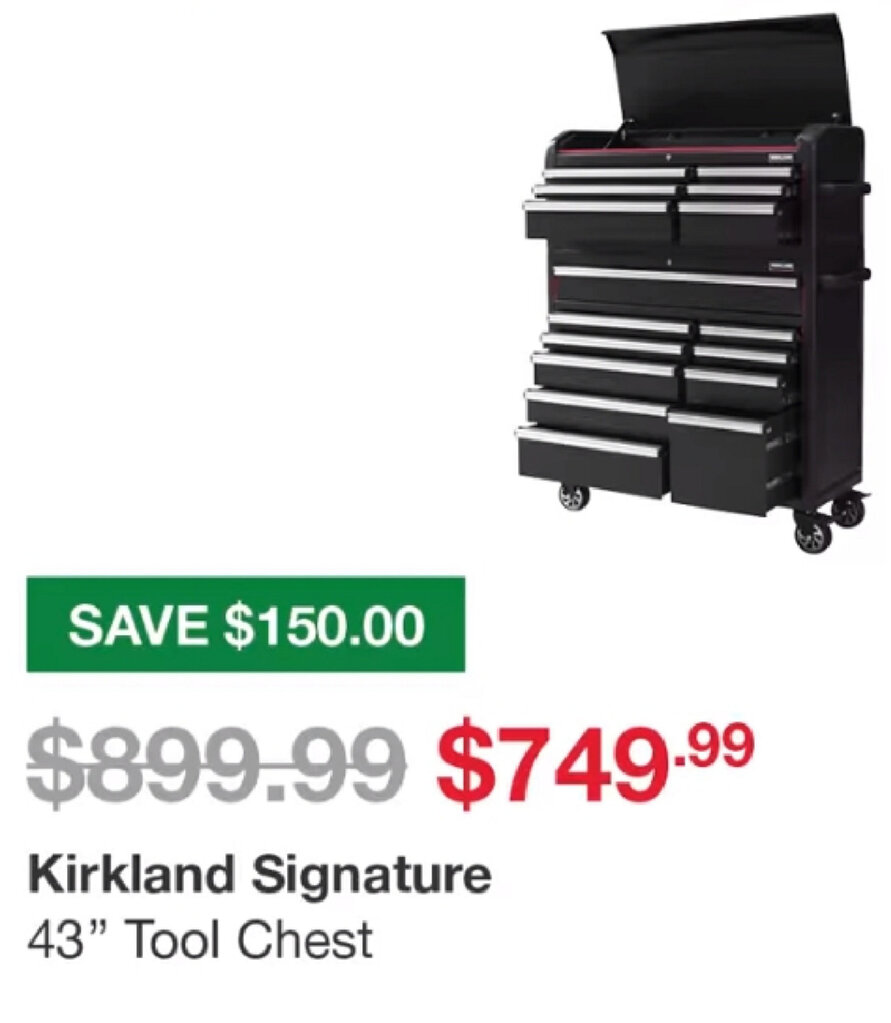
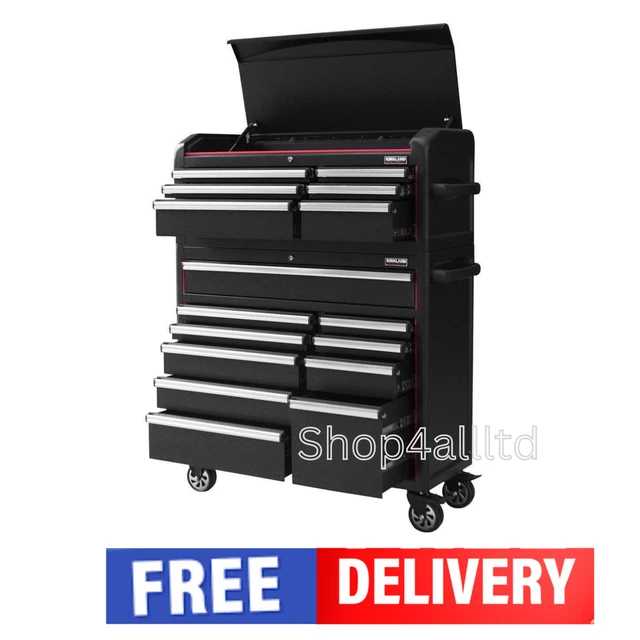
The Kirkland Signature tool box is a name linked to metal tool chests sold through Costco. Before buying one, check the exact model, dimensions, drawer layout, condition, and current availability. Older listings and auction photos can help identify a chest, but they do not confirm that Costco still sells it or that a used unit is complete.
In the United States, a home garage often needs to store hand tools, drill bits, sockets, and power tools in one place. A rolling tool chest can help keep that gear neat and close at hand. The Kirkland Signature name may catch the eye of Costco shoppers who want to learn more about an older tool chest or find one on the resale market.
The key is to identify the exact chest before you spend money. Listings may use terms such as 42-inch mobile tool chest, 43-inch tool chest, or 16-drawer garage chest. These names do not prove that every listing shows the same model. Check the label, measurements, drawer count, lock, wheels, and seller details before making a choice.
A Kirkland Signature tool box is a tool storage product associated with Costco’s Kirkland Signature brand. Search results and older listings refer to metal rolling chests, including examples described as 42-inch mobile tool chests. Other listings use 43-inch descriptions or mention a two-piece chest. Those labels should be treated as listing descriptions until the exact model is verified.
A rolling tool chest differs from a small portable tool box. It usually has several drawers, a metal body, and casters that let the user move tools around a garage or workshop. Some designs have a top chest that sits on a lower cabinet. Others use a single cabinet with drawers and a work surface.
The name alone does not tell you the steel thickness, drawer load rating, warranty terms, or exact dimensions. These details can vary by model and production run. A photo can show the shape and color, but a model label or reliable product document is needed to confirm specifications.
Source: costcocouple.com
Mobile tool chest
A cabinet on wheels that can be moved around a suitable, level work area.
Two-piece tool chest
A storage setup with separate upper and lower sections. Confirm how the pieces attach and whether both are included.
Drawer tool cabinet
A cabinet that uses drawers to sort small tools, sockets, and accessories.
Why model identification matters
Two chests can look alike but differ in drawer depth, wheel size, weight limits, and lock design. A seller may also use a general name that does not match the original product label. Ask for a clear photo of the label, the full front, the sides, and the inside of open drawers.
Look for a product label
Record the model number, item number, brand, and any maker details that appear on the label.
Match the physical design
Compare the drawer count, handle shape, color, and cabinet layout with the listing photos.
Does Costco Still Sell the Kirkland Signature Tool Box?
Current availability needs to be checked with Costco. Older photos, resale listings, and auction records show that chests have been advertised under the Kirkland Signature name, but they do not establish whether a matching product is in stock today. Availability can differ by warehouse, region, and online listing.
Start with Costco’s official US website and search for Kirkland Signature tool chest, mobile tool chest, and the exact model number if you have one. You can also ask a local warehouse whether it can identify the item from a photo or product number. A broad search that returns no result does not prove that a product was never sold.
If Costco does not list the chest, look at reputable resale platforms and local listings. Used tool chests can be large and costly to ship. A nearby seller may let you inspect the cabinet in person, which can be more useful than buying from a distant listing with limited photos.
Source: storage.googleapis.com
Check the official source first
Search Costco’s current US catalog and ask the warehouse about the exact item number.
Review resale listings carefully
Confirm that the photos show the actual item for sale, not a stock image or an old review.
Confirm the location
Ask whether the item is physically available, whether pickup is required, and whether delivery is offered.
How to judge an old listing
Check the date, seller identity, and wording. A dated product review may help with appearance, but it is not a live inventory page. An auction record may show that a chest once existed or was offered for sale, but it does not establish its original retail price, present value, or current warranty coverage.
Separate past from present
Use older listings for identification, then confirm current stock and terms separately.
Ask for recent photos
For a used chest, request new pictures of the actual cabinet, wheels, keys, and drawer interiors.
Common Sizes and Drawer Layouts
The most useful starting point is the size stated in the listing, followed by the chest’s real measurements. Listings in this product category include 42-inch and 43-inch descriptions. A one-inch difference in the stated width may seem minor, but measurements can refer to different parts of the cabinet or to different models.
Do not assume that a 42-inch label means the full unit will fit within a 42-inch gap. Handles, side rails, and other parts may extend beyond the cabinet body. Measure the full width, depth, and height, including casters and any top section, before you choose a location.
Drawer count also affects how useful a chest will be. More drawers can make it easier to sort small tools, while fewer deep drawers may work better for bulky gear. The count does not tell you the usable space in each drawer, so ask for inside measurements when the seller has them.
Source: picclick.co.uk
42-inch description
Use this as a search clue for a listed chest, not as proof of the full assembled width.
43-inch description
Check whether the seller measured the cabinet body or the widest point.
16-drawer description
Confirm that all drawers are present and open smoothly. Drawer count alone does not prove capacity.
Measure the space before buying
Measure the spot where the chest will stand, then leave room to open drawers and walk around it. Check the garage door, steps, narrow doors, and any turns along the delivery path. A chest that fits the wall may still be too large to move into the garage.
Width
Measure the cabinet and the widest parts, such as handles or side rails.
Depth
Include handles and allow space to stand in front of open drawers.
Height
Measure the full height with casters and any upper chest installed.
Delivery route
Measure doors and tight turns, and check for steps or uneven ground.
Check the usable drawer space
Outside dimensions do not tell you how much room remains inside a drawer. Drawer walls, slides, and liners take up space. Compare the inside width, depth, and height with your longest wrench, largest socket set, and bulkiest power tool.
Small drawers
Often suit sockets, bits, fasteners, and compact hand tools.
Deep drawers
May suit larger tools, but check the height and the drawer’s stated load limit.
Features to Check Before You Buy
The value of a tool chest depends on its build, storage layout, movement, and condition. A large metal cabinet may look sturdy, yet worn slides or damaged casters can make daily use frustrating. Inspect the parts that carry the load rather than judging the chest by its finish alone.
A good inspection starts with the frame and then moves to the drawers, lock, wheels, and top. If you are buying online, ask the seller to demonstrate the drawers and provide close-up photos. Do not treat an untested lock or a drawer that is stuck shut as a minor issue.
Source: liveauctionworld.com
Metal body
Look for bent panels, cracked welds, deep rust, and signs of a hard impact.
Drawer slides
Open each drawer and check for smooth travel, excess side play, scraping, or sudden drops.
Lock and keys
Test the lock and confirm whether working keys are included.
Casters and brakes
Check wheel wear, loose bolts, wobble, and brake operation.
Handles and work surface
Check for loose handles, sharp edges, cracked parts, and a top that rocks or bends.
Drawer slides and load limits
Drawer slides support the drawer as it moves in and out. Worn or damaged slides can bind, tilt, or fail under load. Ask for the documented drawer capacity and total cabinet capacity before placing heavy tools inside. Do not guess a load limit from the thickness of the metal or from the size of the drawer.
Test one drawer at a time
With the chest stable and the drawer empty or lightly loaded, open and close it to check for binding.
Watch for uneven gaps
Drawer fronts that sit at different angles may point to damage, a poor repair, or an uneven floor.
Casters, brakes, and stability
Casters affect how safely a loaded chest moves. Wheels should roll without obvious wobble, and any fitted brakes should engage as intended. Test movement only on a level floor with the cabinet secured and its drawers closed.
Inspect the mounting points
Look for bent brackets, loose fasteners, cracked welds, and damaged wheel forks.
Avoid uneven surfaces
Do not push a loaded chest over steps, broken concrete, or a steep slope unless the equipment and handling method are suitable.
How to Buy a Used Kirkland Signature Tool Box
A used tool chest can be worth considering when its condition and total cost make sense. The asking price is only one part of the decision. Transport, missing keys, damaged slides, rust treatment, replacement wheels, and the time needed to fix faults can change the real cost.
Start by asking the seller for the model number and recent photos. Then arrange an in-person inspection if possible. For a large chest, plan how to load and transport it before you pay, since a fully loaded cabinet can be very heavy and difficult to control.
Source: icollector.com
Confirm ownership and contents
Ask what is included and whether any drawers, liners, keys, handles, or mounting parts are missing.
Inspect before payment
Check the cabinet, slides, wheels, lock, and frame instead of relying on a seller’s general condition statement.
Get the full cost
Add pickup, delivery, repair, and replacement costs to the asking price.
Agree on collection details
Confirm who will move the chest, what equipment is needed, and whether the seller can help load it.
A simple inspection sequence
Follow the same order each time so that you do not overlook a fault. Start with visible damage, then test moving parts, and finish by checking the details that affect transport and ownership.
Step 1: Inspect the frame
Look for rust holes, bent corners, cracks, and signs that the cabinet has been dropped.
Step 2: Test every drawer
Open each drawer, check its slide, and make sure the front and handle are secure.
Step 3: Test the lock
Confirm that the key works and that the locking system operates as intended.
Step 4: Check the wheels
Inspect the casters, mounting bolts, and brakes while the chest is safely supported.
Step 5: Review the deal
Compare the price with other chests in similar condition and account for any repair work.
How to compare two listings
Use the same checklist for both listings. A cheaper chest may have damaged slides or no keys, while a more costly one may be ready to use. The best comparison is based on verified condition and total cost, not the asking price alone.
Compare like with like
Check dimensions, drawer count, included parts, and the type of cabinet before comparing prices.
Price known repairs
Get a realistic parts cost before treating a damaged chest as a bargain.
How Much Does a Kirkland Signature Tool Box Cost?
There is no single price that can be applied to every Kirkland Signature tool chest. The original price may be different from a resale price, and a used unit’s value depends on its model, age, condition, completeness, and local demand. A dated listing is not enough to establish a current market value.
Compare several recent listings for the same or a closely matching model. Make sure the comparison uses similar dimensions, drawer layouts, and condition. An auction result, an unsold asking price, and a completed private sale are different types of evidence and should not be treated as equal.
When a listing has no model number, use the price as a rough reference only. Ask the seller for measurements and detailed photos before deciding whether the cabinet is comparable to another listing. If you cannot confirm the model, avoid paying a premium based only on the Kirkland Signature name.
Source: liveauctionworld.com
Original retail price
Look for a dated receipt, archived product document, or other reliable record tied to the exact model.
Used asking price
Treat it as the seller’s request, not proof that buyers are paying that amount.
Completed sale price
Use recent sales of similar items where the final transaction price is available.
Total ownership cost
Include transport, repair work, missing parts, and any replacement hardware.
A practical cost comparison
For example, imagine one used chest costs $250 and needs $80 in parts plus $50 for transport. Its estimated total cost is $380. A second chest costs $340 and needs no known repairs, but transport is still $50. Its estimated total is $390. These are hypothetical figures, not verified market prices for a Kirkland Signature model.
Chest A
$250 asking price + $80 estimated parts + $50 transport = $380 total.
Chest B
$340 asking price + $0 known repairs + $50 transport = $390 total.
Decision
The $10 difference is small, so condition, warranty status, and the risk of hidden faults may matter more than the initial price.
Warranty, Replacement Parts, and Repairs
Do not assume that every Kirkland Signature tool chest has the same warranty or that an older chest remains covered. Warranty terms depend on the product, purchase date, applicable policy, and any conditions stated in the original documents. Confirm the terms with Costco or the responsible manufacturer before relying on coverage.
A product label, receipt, order record, and model number can help a support representative identify the chest. If the product was bought used, ask whether coverage can transfer to a later owner and whether proof of the original purchase is needed. Do not rely on a seller’s verbal promise as proof that a claim will be accepted.
Replacement parts may be harder to find for an older or discontinued model. Drawer slides, casters, locks, and handles are not always interchangeable, even when two cabinets look similar. Check the original part number and measurements before ordering anything.
Source: hotukdeals.com
Gather proof of purchase
Keep the receipt, order details, model label, and any warranty paperwork you have.
Ask about coverage
Confirm the applicable terms, exclusions, claim process, and any time limits with the responsible party.
Match replacement parts
Compare the mounting pattern, length, width, load rating, and other relevant dimensions.
Avoid unsafe repairs
Do not use a damaged wheel, broken slide, or cracked load-bearing frame until it has been properly repaired.
When a repair may not be worthwhile
A loose handle or missing drawer liner may be simple to address. A twisted frame, failed weld, badly rusted base, or damaged caster mounts can be more serious. If the cabinet no longer stands level or cannot support its drawers safely, compare the repair cost with the price of another suitable chest.
Minor issue
A replaceable handle or liner may be a practical fix if a matching part is available.
Major structural damage
Have the damage assessed before use, especially if it affects the frame, welds, or wheel mounts.
Safe Setup and Everyday Use
Set up the chest on a firm, level floor and follow any assembly instructions supplied with the exact model. If the unit has a separate upper chest, use the specified mounting hardware and secure it as directed. Do not assume that its weight alone will keep it in place.
Keep heavy tools low in the cabinet when the drawer layout permits it. This helps reduce the risk of a top-heavy load. Close drawers before moving the chest, engage the wheel brakes when parked, and avoid pushing it across steps or steep slopes.
Do not exceed documented drawer or cabinet load limits. If those limits cannot be found, contact the manufacturer or responsible support channel rather than guessing. A drawer that sags, a wheel that leans, or a cabinet that rocks can signal a problem that needs attention before more weight is added.
Use a level floor
Check that the cabinet sits steadily and that the casters contact the floor as intended.
Store heavy items low
Keep dense tools in lower drawers where the design and load limits allow it.
Close drawers before moving
Secure the drawers and move the chest slowly over suitable flooring.
Keep fingers clear
Watch pinch points around drawer slides, hinges, handles, and closing panels.
Moving a heavy chest
Empty the chest as needed before moving it, and follow the model’s instructions for transport. Large cabinets can shift or tip when moved with drawers full of tools. Use suitable lifting equipment and enough help for the actual weight, and never place hands or feet under an unsupported cabinet.
Plan the route
Clear obstacles and check floor strength, thresholds, and turns before moving the unit.
Use suitable equipment
Choose handling equipment rated for the load and secure the chest during transport.
Keep the chest in good shape
Wipe away dust and moisture, clean spills promptly, and check for rust or loose fasteners from time to time. Do not force a drawer that sticks. Remove the contents and inspect the slide and alignment before deciding whether the drawer needs adjustment or repair.
Clean the cabinet
Use a suitable cleaner and dry the surface to reduce moisture-related damage.
Inspect moving parts
Check slides, casters, brakes, handles, and locks for wear or looseness.
Alternatives if You Cannot Find This Model
If a Kirkland Signature chest is unavailable, compare other rolling tool cabinets by dimensions, capacity, drawer layout, parts support, and total cost. The brand name matters less than whether the cabinet fits your tools and work area and can be used safely. A similar-looking chest is not automatically an equivalent replacement.
A small portable tool box may be enough for basic home repairs, while a rolling cabinet may suit a garage with many hand tools. A two-piece chest can offer more storage in a compact footprint, but it may need secure mounting and more room above the cabinet. Choose the storage type that matches your tools and space.
Portable tool box
Useful when you need to carry a small set of tools between rooms or work sites.
Rolling cabinet
Useful for keeping many tools organized in a garage or workshop.
Two-piece tool chest
Useful when you want separate upper and lower storage, provided the pieces can be secured correctly.
Wall-mounted storage
Useful for selected hand tools when the wall and mounting hardware are suitable for the load.
Compare the right features
Use a short checklist rather than choosing by brand alone. Compare the cabinet’s real dimensions, stated load limits, drawer action, caster design, lock, parts availability, and warranty terms. If the seller cannot confirm key details, treat that uncertainty as part of the buying decision.
Fit
Will the chest fit the space and pass through the delivery route?
Capacity
Will the drawers hold your tools without exceeding their stated limits?
Support
Can you obtain the parts and service needed if something fails?
Total cost
Does the price still make sense after delivery and likely repairs?
Frequently Asked Questions
Q
Is the Kirkland Signature tool box made by Costco?
Kirkland Signature is Costco’s private-label brand, but that name alone does not identify the factory or manufacturer of a particular tool chest. Check the product label, manual, or original documentation for the maker and model details.
Q
Is the Kirkland Signature tool box still available at Costco?
Current availability is not established by older photos or resale listings. Check Costco’s US website or contact a local warehouse with the model number or a clear product photo. Stock and product ranges can change.
Q
How can I identify a 42-inch or 43-inch Kirkland tool chest?
Look for a model or item number on the product label, then compare the drawer layout and cabinet design with reliable product records. Measure the widest points yourself, since the stated size may not include every handle or side part.
Q
Does a used Kirkland Signature tool chest come with a warranty?
Do not assume that it does. Coverage depends on the original terms, purchase details, product, and any rules for later owners. Ask Costco or the responsible manufacturer to confirm coverage for the exact unit before buying.
Q
Are replacement keys and drawer slides available?
They may be available, but this depends on the lock, slide design, model, and parts supply. Record the model number and measure the original part before ordering. Similar-looking parts are not always compatible.
Q
Is a Kirkland Signature tool box worth buying used?
It may be worth buying if the cabinet is sound, the drawers and wheels work, and the total cost is reasonable compared with similar chests. Inspect it in person when possible, and account for delivery, missing keys, repairs, and uncertain parts support.
Q
Can I move a loaded rolling tool chest?
Follow the exact model’s instructions and do not assume a loaded chest can be moved safely. Heavy drawers can shift the center of mass and increase the risk of tipping. Close and secure drawers, use a level route, and empty the cabinet as needed before transport.
✦ Wrapping Up
Conclusion
The Kirkland Signature tool box may be worth a look if you need organized storage for a home garage or workshop. Still, the name is not enough to confirm the model, dimensions, current availability, warranty, or value. Older product photos and auction records can help with identification, but the actual unit and its documentation should guide the final choice.
Before buying, confirm the model, measure the cabinet, inspect every drawer and caster, and work out the full cost. If you cannot verify a key detail, ask the seller or Costco for more information. A sound chest that fits your tools and space is a better choice than one bought on name alone.
💡 Key Takeaway
Start by finding the model or item number. Then confirm current availability, measure the full cabinet, inspect its moving parts, and compare the total cost with similar tool chests.