A Harbor Freight Tools flagpole search may lead to a flag, a flagpole accessory, or a complete pole setup. Before buying, check the current product listing, pole height, mounting method, included parts, and wind limits. Do not assume every item shown in a photo is sold as one kit.
Across the United States, people fly the American flag outside homes, garages, shops, and campsites. Some want a tall pole in the yard. Others need a short pole for a porch or a mount for a truck or trailer. The right setup depends on where the flag will go and how much wind that spot gets.
Harbor Freight Tools is known for tools, workshop gear, and useful outdoor products. Yet the phrase harbor freight tools flagpole does not, by itself, confirm that a complete flagpole kit is currently in stock. Product listings can change, and a picture of a flag or light does not prove that a pole comes with it. Check the official listing before making a purchase.
This guide explains how to check a flagpole listing, compare common mounting styles, plan a safe setup, and choose useful add-ons. It also covers common fit and weather problems. The goal is to help you find a setup that suits your home, vehicle, or outdoor space without buying parts that do not fit.
The first step is to confirm which product you mean. A search for Harbor Freight Tools flagpole may return an American flag, a flagpole light, a telescoping pole shown in a video, or a mounting accessory. These are different items, and they do not serve the same purpose.
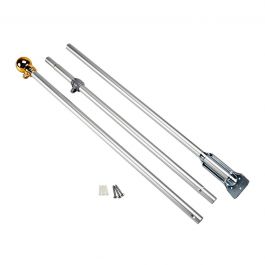
A complete flagpole kit usually includes the pole and at least some parts needed to fly a flag. Depending on the design, it may also include a bracket, ground sleeve, rope, clips, finial, or mounting hardware. Some kits leave key parts to the buyer, so read the included-items list rather than relying on the product photo.
Current stock, prices, and product models can change. No live inventory confirmation is established in this guide. Use the official Harbor Freight website or contact a local store to check whether the exact item you want is sold in your area.
Source: storage.googleapis.com
A complete pole kit
Look for a stated pole height, material, mounting method, flag compatibility, and a clear list of included parts.
A flag or light
These items may work with a separate pole, but you must verify the required size, attachment method, and power source.
A mount or adapter
Check its intended use, tube diameter, load limits, fasteners, and fit with the pole you already own.
How to Check the Official Product Listing
Search the official Harbor Freight website for the exact product name or model number. Read the full description and product specifications. If the listing is unclear, ask the store to confirm whether the item includes the pole, flag, mount, and fasteners.
A product image is useful for identifying a design, but it is not proof of current availability or kit contents. If a third-party page shows an older item, compare its model number with the current manufacturer’s information before using its specifications.
Confirm availability
Check the current listing or contact the store instead of relying on an old blog post or video.
Check the package contents
Find out which pieces are included and which must be bought separately.
Save the model details
Keep the product number and instructions so you can check compatibility and replacement parts later.
Which Type of Flagpole Should You Choose?
Choose a flagpole based on where you plan to use it. A pole for a front porch has different needs from one placed in a lawn or fitted to a vehicle. Height matters, but the base, mounting hardware, and ability to handle wind matter just as much.
A fixed pole may suit a permanent yard display. A telescoping pole can be easier to store and adjust, while a wall bracket may work well near an entryway. A vehicle-mounted pole needs a mount designed for that use and must not block lights, plates, mirrors, or the driver’s view.
There is no single best pole for every home. A tall pole can make a flag easy to see, but it also adds leverage and may place more stress on its mount. A shorter pole may be easier to handle and store, especially in a tight yard or near a porch.
Source: storage.googleapis.com
Ground-mounted pole
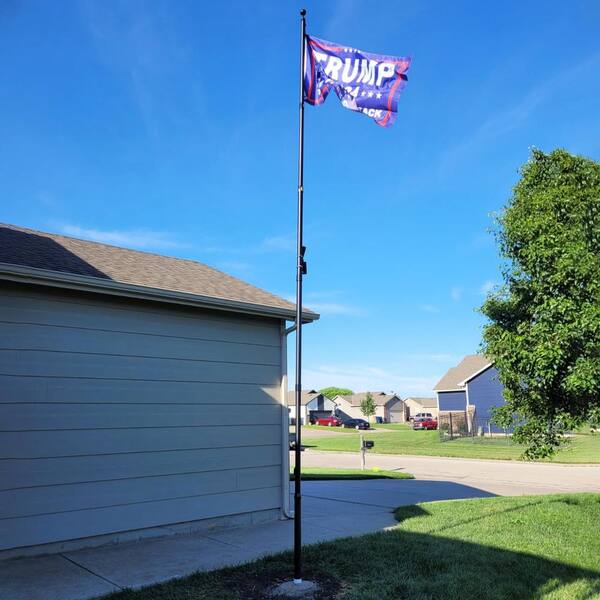
Useful for a lasting lawn display when the base and footing are designed for the soil, pole height, and local wind conditions.
Wall-mounted pole
A practical option for a porch or exterior wall, provided the bracket is fixed to suitable structure and uses the required fasteners.
Telescoping pole
Useful when height adjustment and compact storage matter. Check the maker’s locking steps and limits before raising it.
Vehicle or trailer mount
Best considered only with a mount made for the vehicle or trailer and the forces created by travel, vibration, and wind.
When a Telescoping Flagpole Makes Sense
A telescoping pole has sections that slide into one another. This can make transport and storage easier than handling one long rigid pole. Some designs also let you adjust the display height without removing the full pole from its base.
The locking system is a key part of the design. Read the maker’s instructions, extend the sections in the stated order, and confirm each lock is secure before attaching the flag. Never force a stuck section or use a damaged lock.
Do not assume that every telescoping pole is rated for the same flag size or wind speed. The permitted flag dimensions, extension height, and weather limits depend on the exact model.
Check the locks
Look for worn collars, cracks, bent sections, or locks that slip under normal handling.
Check the stated height
Find out whether the listed height refers to the fully extended pole and whether the mount adds extra height.
Follow the wind limit
Use the model’s stated limit and lower the pole when the maker’s instructions or local conditions call for it.
When a Fixed Pole Is the Better Fit
A fixed pole can work well when you want a stable, permanent display and have room for a suitable base. Its main trade-off is that installation and replacement may take more work than with a portable design.
The pole, footing, and ground conditions must work together. A tall pole placed in loose soil or a poorly made base may lean or fail. Use the supplied installation plan rather than choosing a hole depth or concrete base by guesswork.
Plan the location
Allow clearance from trees, roof edges, power lines, walkways, and places where a falling pole could cause harm.
Check local requirements
Some properties, rental agreements, or community rules may limit pole height or placement.
What to Check Before Buying a Flagpole
Compare the full setup, not just the pole’s price or advertised height. A low-cost pole may need a separate bracket, base, light, or set of clips. Those extra parts can change the total cost and affect whether the setup fits your space.
Start with the display location and the flag size you plan to fly. Then check the pole material, mounting method, attachment points, and maker’s weather guidance. If any essential measurement is missing, ask the seller or manufacturer before buying.
The table below shows the main details to compare. These are general buying checks, not confirmed specifications for a current Harbor Freight flagpole product.
Source: fity.club
Pole height
Make sure the height suits the location and leaves enough clearance from nearby objects.
Material
Compare the stated material, corrosion care, weight, and the maker’s limits for the intended use.
Mounting method
Confirm whether the pole is designed for a wall, ground sleeve, portable base, hitch, or another support.
Included hardware
Check for clips, a rope, a cap, a bracket, screws, and any other parts needed for the planned setup.
Warranty and returns
Read the actual terms for the specific product, including exclusions and proof-of-purchase rules.
Compare the Setup by Use
A porch display may need a compact pole and a bracket suited to the exterior wall. A yard display needs a base or footing made for the pole. A portable camping display may need a stand that works on the surface where it will sit.
For a vehicle or trailer, the main concern is not just whether the pole fits into a tube. The mount must be designed to withstand the intended use, and the pole must not create a road hazard. A mount intended for a parked display may not be suitable for highway travel.
For a home
Prioritize secure mounting, clearance, weather resistance, and easy access for routine checks.
For travel
Prioritize compact storage, a secure lock, and a mount approved for the planned activity.
For night display
Check the flag display guidance, available light, and whether the light can attach securely to the pole.
Why Measurements Matter
A pole and mount can look similar yet have different diameters. Measure the relevant outside or inside diameter as specified by the mount maker. Do not assume that a part will fit because both listings use the words universal or telescoping.
Flag size matters too. A large flag can place more load on a pole than a smaller one, especially in gusty weather. Use the flag dimensions allowed by the pole maker rather than choosing a size based only on appearance.
Measure the connection
Record the pole diameter and the mount’s stated fit range before ordering an adapter.
Check the flag dimensions
Compare the flag’s width and length with the pole maker’s approved range.
How to Install a Flagpole Safely
The safe installation method depends on the pole and mount. Follow the product’s instructions in full, including the required fasteners, footing, and weather limits. The general steps below help you plan the job, but they do not replace the instructions for your exact model.
Before starting, check the pole, mount, and hardware for damage. Pick a calm day, keep people clear of the work area, and make sure you have the right tools. For a permanent pole, confirm the intended footing and site requirements before digging or pouring concrete.
Stop if the pole is too heavy to control, the mount does not fit, or the instructions are missing key details. A tall pole can cause serious injury if it falls. Get help from a qualified installer when the job involves structural work, uncertain soil conditions, or a location near power lines.
Source: www.youtube.com > Work with Kevin
Prepare the site
Choose a clear spot, check local rules, and keep well away from overhead power lines.
Check underground services
Before digging in the United States, contact 811 or use the applicable state service to request utility marking.
Use the specified mount
Fit the pole only to a base, bracket, or adapter designed for that model and intended use.
Secure the hardware
Use the fasteners and tightening method stated in the instructions. Do not substitute parts without confirming they are suitable.
Test before raising fully
Check all connections and locks while the pole is under control, following the maker’s inspection procedure.
Installing a Wall-Mounted Flagpole
A wall bracket needs a sound surface and the right fasteners. Exterior siding alone may not provide the support needed for a pole exposed to wind. The mounting instructions should state how the bracket is meant to be attached and which fasteners to use.
Locate the supporting structure before drilling. Check that the pole will clear doors, windows, gutters, and foot traffic. If the wall material or framing is unclear, ask a qualified contractor to assess the location.
After installation, check for movement, loose fasteners, cracked material, or signs that water is entering the wall. Stop using the bracket if it shifts or shows damage.
Use suitable fasteners
Match the fastener type and size to the bracket instructions and the actual wall structure.
Check clearance
Allow room for the flag to move without striking windows, branches, or nearby objects.
Installing a Ground-Mounted Flagpole
A permanent ground pole needs a base or footing that matches its design and site conditions. Pole height, soil, wind exposure, and the maker’s installation plan all affect the required support. Do not copy a footing size from a different pole and assume it will work.
Use the pole maker’s instructions for alignment, footing preparation, and cure time if concrete is required. Do not raise the pole before the support is ready. If the site is sloped, has weak soil, or sits near a retaining wall, get advice before installation.
Once the pole is up, check its alignment and inspect the base for movement. A pole that starts leaning or develops cracks around its footing needs attention before it is used again.
Confirm the footing plan
Use the instructions for the exact pole and the actual site, not a general rule of thumb.
Allow proper curing
Follow the stated concrete cure time and any limits on when the pole may be loaded.
Can You Use a Harbor Freight Flagpole on a Truck or Trailer?
A flagpole used on a parked vehicle or trailer has different needs from a pole attached to a moving vehicle. First, identify the exact pole and mount. A part that fits into a hitch receiver is not automatically safe for road use.
Wind load rises with vehicle speed, and the flag can pull on the pole and mount. Vibration, road bumps, and sudden movement add other stresses. Unless the manufacturer specifically permits the setup for travel, treat it as a parked display and remove or stow it before driving.
A hitch mount or adapter must match the receiver or support it was designed for. Check the allowed pole diameter, fastener type, and intended use. Never modify a receiver or mount in a way that weakens it or interferes with the vehicle’s safety equipment.
Source: storage.googleapis.com
For a parked display
Secure the mount on a stable, level surface and follow the pole’s wind limits.
Before driving
Remove or stow the flagpole unless the exact system is rated and permitted for travel under the maker’s instructions and applicable law.
Check road clearance
Do not block the license plate, lights, mirrors, sensors, or the driver’s view.
Inspect after use
Look for bent parts, loose bolts, worn pins, and damage caused by vibration or contact.
How to Check a Flagpole Adapter
An adapter connects parts that might otherwise not fit together. Its dimensions and rated use matter more than its appearance. Compare the adapter’s specifications with both the pole and the mount before use.
Avoid makeshift sleeves, loose spacers, and improvised clamps that can let the pole wobble or slip. If the connection needs force to fit, stop and confirm the dimensions rather than grinding or bending parts.
Measure both parts
Check the connection dimensions and the adapter’s stated range.
Check the intended load
Use an adapter only for the application and conditions its maker permits.
Flagpole Lights and Other Useful Accessories
Accessories can make a flagpole easier to use, but every part must suit the pole. Common options include flag clips, replacement rope, a finial, a wall bracket, a ground sleeve, and a light. Before buying anything, check the pole’s model and the accessory maker’s fit requirements.
If you plan to display the American flag at night, review the applicable flag display guidance. The U.S. Flag Code states that the flag should be illuminated when displayed at night. A properly aimed outdoor light may help, but its placement and brightness should be suitable for the location.
Do not assume a solar flagpole light fits every pole. Some lights fit around a pole, while others attach to a finial or another mount. Check the required pole diameter, charging method, weather rating, and the maker’s installation instructions.
Source: fredsbox.co.uk
Flag clips
Choose clips that fit the pole’s attachment system and the flag’s grommets or heading.
Replacement rope
Match the rope diameter and construction to the pole’s pulley and cleat system.
Finial
Check the thread, socket, or fitting type before ordering a replacement top ornament.
Pole light
Verify the attachment method, light source, weather rating, and charging or power requirements.
How to Choose a Solar Flagpole Light
A solar light uses a panel to charge its battery during daylight and powers the light after dark. Its runtime depends on the model, battery condition, charging time, weather, and shade. A cloudy day or a panel blocked by a roof may reduce the available charge.
Look for clear information about the light’s fit, battery replacement, water resistance, and expected operation. A light that is easy to install but does not fit the pole securely may be more trouble than it is worth.
Test the light after installation and check it again after a few nights. If it turns off early, clean the panel, check for shade, and follow the maker’s battery and charging guidance.
Check the diameter
Make sure the light fits the pole or top fitting without loose or improvised parts.
Check sun exposure
Place the solar panel where it can receive useful daylight without being blocked by trees or buildings.
Check weather protection
Use an outdoor-rated product and inspect its seals and housing as the maker directs.
Wind Safety and Routine Flagpole Care
Wind is one of the main factors that can damage a flagpole or its mount. A flag acts like a broad surface that catches moving air, so even a pole that feels solid on a calm day can face much greater force during gusts. The risk depends on the pole, flag size, mount, location, and weather.
Follow the exact model’s stated wind limits and lowering instructions. Do not use a general wind-speed figure from another pole as a safe limit for your own. If strong winds, thunderstorms, or severe weather are forecast, take the action required by the maker before conditions become hazardous.
Routine checks help catch problems early. Inspect the pole and mount before use, after strong weather, and at the intervals stated in the instructions. If you see cracks, a bent section, a slipping lock, loose fasteners, or a leaning base, stop using the pole until the fault is resolved.
Source: storage.googleapis.com
Check the pole
Look for bends, cracks, corrosion, dents, worn locks, and signs of water getting inside.
Check the mount
Look for loose fasteners, movement, broken welds, and cracks in the supporting surface.
Check the flag
Replace or repair torn fabric and damaged grommets before they put extra stress on the attachment points.
Follow weather limits
Lower or remove the flag as instructed when wind or storm conditions exceed the permitted range.
What to Do If the Pole Starts to Lean
A leaning pole can point to a loose bracket, a shifting footing, damaged hardware, or movement in the supporting ground. Do not try to straighten a loaded pole while it is raised. Keep people away from the area and lower it only if that can be done safely under the maker’s instructions.
Check the base or mount once the pole is safely supported. Look for cracks, gaps, loose fasteners, or changes in the surrounding soil. Do not simply tighten every bolt or add extra concrete without finding the cause.
If the footing has shifted, the bracket has pulled away from the wall, or the pole is bent, seek qualified help before using it again. A pole that looks nearly upright can still be unstable.
Keep clear
Stay outside the potential fall area and prevent others from approaching.
Find the cause
Inspect the base, mount, fasteners, and pole for damage once the area is safe.
Do not improvise repairs
Use approved replacement parts or professional repair when the structural condition is uncertain.
Prevent Corrosion and Wear
Outdoor poles face rain, dust, sun, and changing temperatures. Keep the pole clean according to the material and maker’s care instructions. Avoid harsh cleaners or coatings that could damage the finish or affect moving sections.
If the pole has sliding sections, keep them free of grit and use only products approved by the manufacturer. Lubricants that work on one material or locking system may harm another. Store removable poles in a dry place when practical.
Check clips, rope, and moving parts for wear. Replacing a damaged clip or rope before it fails can prevent the flag from coming loose, though any replacement must match the original system.
Clean gently
Use the cleaning method approved for the pole’s material and finish.
Store with care
Keep removable poles dry and protect the ends and locking parts from impact.
Common Flagpole Problems and Practical Fixes
When a flagpole does not work as expected, begin with a visual check and the product instructions. Do not force a stuck part or test a damaged pole under load. The safest fix depends on whether the problem comes from the flag, the locking system, the mount, or the light.
The checks below address common symptoms without assuming a particular Harbor Freight model. If the product manual gives a different procedure, follow that procedure. Stop using the setup when a fault could cause the pole or flag to fall.
Source: e-lectricavenue.co.uk
The telescoping pole slips
Lower the pole safely and inspect the locks for dirt, wear, or damage. Clean or service only as instructed; replace faulty parts before raising it again.
The flag twists around the pole
Check the flag attachment and whether the pole includes a system intended to reduce twisting. A standard fixed attachment may not prevent wrapping in changing winds.
The mount feels loose
Stop using the pole, secure the area, and inspect the fasteners and supporting surface. Do not rely on extra tightening if the surface or hardware is damaged.
The solar light will not stay on
Check panel exposure, cleanliness, battery condition, and the instructions for charging and operation.
The flag or clips keep coming off
Check clip compatibility, grommets, rope, and attachment points. Replace worn parts with components made for the system.
When a Repair Is Not Enough
A cracked pole, badly bent section, broken locking collar, failed weld, or damaged footing may need replacement rather than a quick repair. Tape, glue, and makeshift clamps should not be used to restore a load-bearing part unless the manufacturer expressly approves that repair.
If the part is under warranty, check the warranty terms before modifying it. Keep the receipt, model number, and photos of the problem. Ask the seller or manufacturer which repair or replacement options apply to the exact item.
Keep the model details
Record the model number and purchase information so support staff can identify the correct parts and terms.
Avoid unsafe testing
Do not raise a damaged pole to see whether it holds or drive with a questionable vehicle mount.
How Much Should You Budget for a Flagpole Setup?
The total cost depends on the pole, mount, flag, footing, hardware, and any light you add. A simple porch setup may need fewer parts than a permanent yard pole. A vehicle display may also need a purpose-built adapter, and that extra cost should be included before you compare options.
Because a current, verified Harbor Freight flagpole price is not established here, a specific dollar estimate would be unreliable. Check the live listing and compare the full cost of the setup you intend to use. Include any delivery charge, tax, and installation materials that apply.
A cheaper pole is not necessarily the better value if it needs incompatible parts or cannot handle the intended flag size. On the other hand, buying features you do not need can waste money. Match the product to the job first.
Source: www.harborfreight.com
Pole and flag
Check whether the price covers the pole alone or includes a flag and its attachment hardware.
Mount and footing
Include the bracket, ground sleeve, base, or footing materials required by the chosen design.
Lighting
Add a compatible light only if needed, and account for its battery or power requirements.
Maintenance
Allow for replacement clips, rope, flags, and any parts that wear out with outdoor use.
A Simple Way to Compare Total Cost
Use the same list for each option so the prices are comparable. For example, a hypothetical setup might include a pole, a flag, a bracket, and a light. Add each item’s actual current price to calculate the total rather than comparing only the pole price.
If one kit includes a mount and another does not, list the missing mount as a separate cost. If the parts are not compatible, do not treat the lower-priced option as a valid alternative until you find a suitable combination.
Step 1
Write down the parts needed for your location and display.
Step 2
Record current prices and verify that each part fits the chosen pole.
Step 3
Add the costs and compare the complete setups, including any installation needs.
A Practical Checklist Before You Raise the Flag
A short check before use can help catch loose hardware and damaged parts. It is especially useful after storage, a storm, or any time the pole has been moved. Follow the product manual if it calls for a more detailed inspection.
Do not raise a pole when the mount is unstable, the locks fail to hold, or the forecast exceeds the model’s limits. If the pole is already raised and appears unsafe, keep clear and follow the maker’s safe-lowering procedure rather than trying to catch or steady a falling pole.
Source: storage.googleapis.com
Location
Confirm there is clear space around the pole and no contact risk with power lines, buildings, trees, or people.
Pole and mount
Check for cracks, bends, corrosion, loose fasteners, damaged locks, and movement at the base.
Flag and fittings
Check the fabric, grommets, clips, rope, and any attachment points for wear.
Weather
Check the forecast and follow the stated wind and storm limits.
Light and power
If using a light, check its mount, charge, and operation according to the instructions.
Frequently Asked Questions
Q
Does Harbor Freight currently sell a complete flagpole kit?
Current availability is not confirmed in this guide. Check Harbor Freight’s official website or contact a local store for the exact item. Confirm whether the listing includes the pole, flag, mount, and required hardware before buying.
Q
Can I use a Harbor Freight flagpole with a solar light?
Possibly, if the light is designed to fit the pole and suits the intended outdoor use. Check the pole diameter, top fitting, mounting method, weather rating, and power requirements. Do not assume a light shown in a photo is included with the pole.
Q
Can I leave a telescoping flagpole outside all year?
That depends on the exact model, material, mount, and local weather. Follow the manufacturer’s outdoor-use and wind instructions. Inspect the pole and locks regularly, and lower or store it when the instructions or weather conditions require it.
Q
Can I drive with a flagpole attached to my truck or trailer?
Only if the exact pole and mounting system are designed and rated for travel and the setup complies with applicable laws. A mount that fits a hitch receiver is not automatically safe at road speed. When travel use is not approved, remove or stow the pole before driving.
Q
How do I know which replacement parts fit my flagpole?
Start with the model number and product manual. Compare the required dimensions, thread or fitting type, and attachment method. If the part number is not listed, ask the manufacturer or seller to confirm compatibility before ordering.
✦ Wrapping Up
Conclusion
Finding the right Harbor Freight Tools flagpole setup starts with identifying the exact item and confirming what comes in the package. A complete pole, a flag, a light, and a mounting adapter each serve a different role. Check current availability and specifications before you spend money.
Choose the mounting style for your home, yard, or vehicle. Confirm the fit, use the correct hardware, and follow the manufacturer’s setup and wind limits. Regular checks can help catch wear before it becomes a safety problem.
💡 Key Takeaway
Before buying, write down where the flagpole will go, the flag size you need, and the mounting style. Then verify the current product listing, included parts, dimensions, weather limits, and return terms. Do not install or use a pole with damaged hardware or an unverified mount.