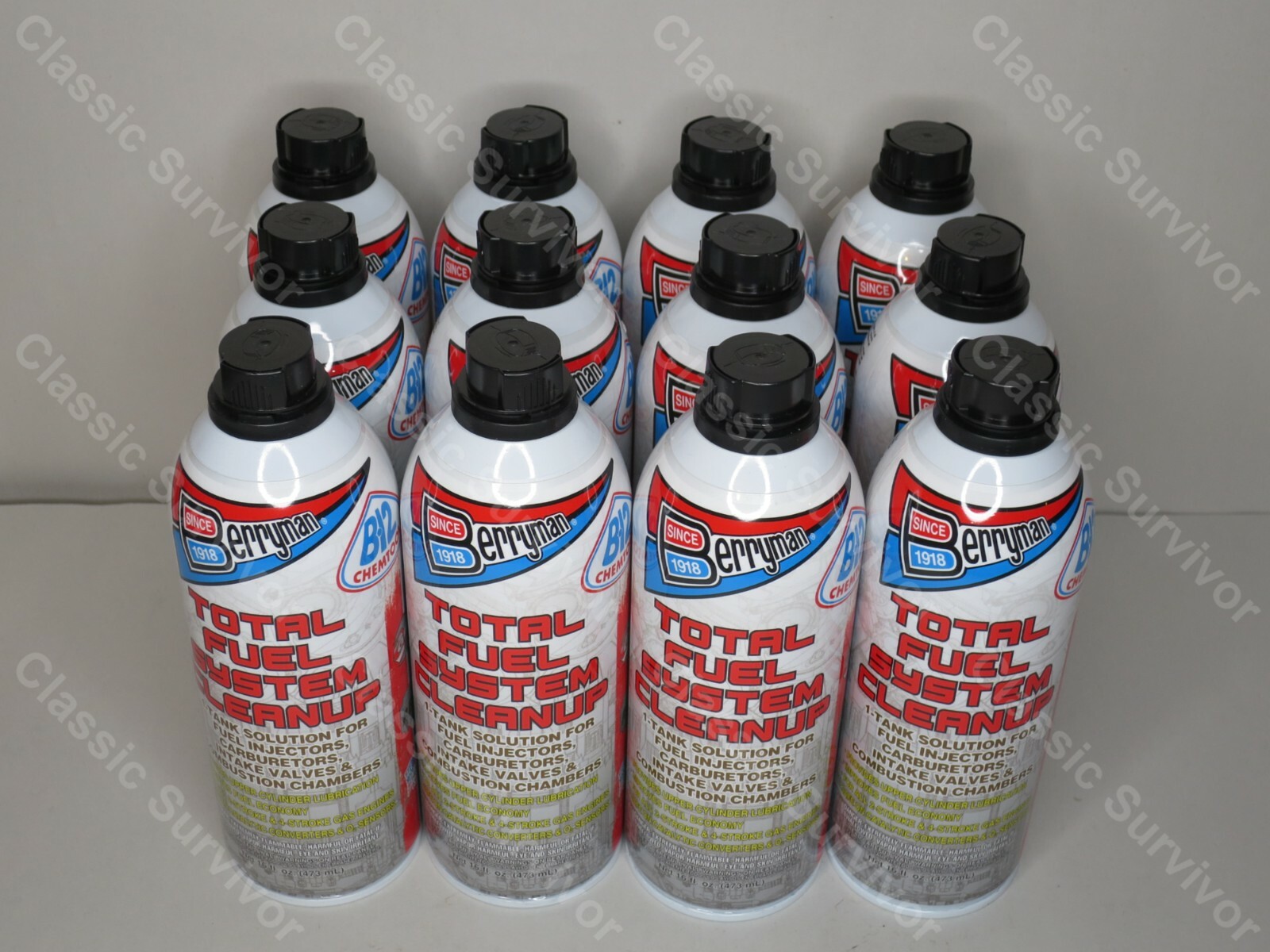
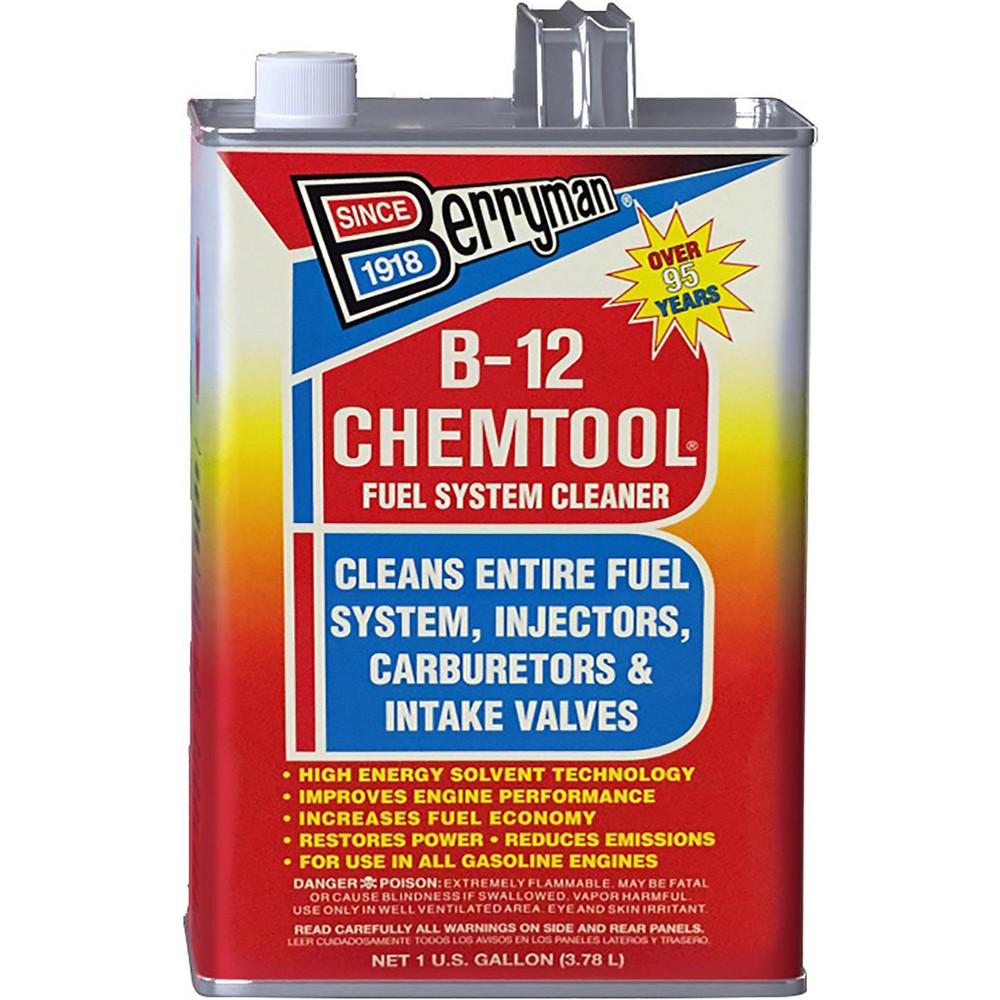
A gallon of B12 Chemtool in a fuel tank can be far more cleaner than the engine needs. If you poured a full gallon into your car, do not start or drive it until a qualified mechanic checks the fuel mixture and advises you what to do. The right fix depends on the fuel level, the exact product, and your vehicle.
For drivers in the United States, Berryman B-12 Chemtool is a fuel system cleaner made for certain gasoline engines. It can help remove gum, varnish, and other fuel deposits when used as directed. However, a large amount of cleaner is not the same as a better clean. The dose must match the product label and the amount of fuel in the tank.
A US gallon holds 128 fluid ounces. That is a large amount of fuel additive for an ordinary passenger car. Berryman sells several products under the B-12 Chemtool name, and their uses and directions can differ. Before taking action, check the exact product number and label. If a full gallon has already gone into the tank, get advice from a repair shop before turning the key.
Source: detroitchinatown.org
What Happens If You Put a Gallon of B12 Chemtool in a Fuel Tank?
The main concern is the amount of cleaner compared with the gasoline in the tank. B-12 Chemtool is a solvent-based fuel system cleaner, not a replacement for gasoline. A full gallon may create a mixture that is outside the intended treatment range for your vehicle.
The result depends on how much gasoline was already in the tank. One gallon added to a nearly full 20-gallon tank creates a different mixture from one gallon added to a tank with only one or two gallons of fuel. Even so, neither situation should be treated as safe without checking the exact product instructions and getting professional advice.
An excessive dose may affect how the engine runs. Possible symptoms include rough idle, hesitation, poor starting, stalling, or reduced power. These symptoms are not guaranteed, and they do not prove that the cleaner is the cause. A mechanic must check the vehicle before linking a fault to the additive.
Do not assume the engine will be fine because B-12 Chemtool is designed to clean fuel systems. A cleaner can be suitable at its intended concentration but unsuitable in a much stronger mixture. The product’s cleaning purpose does not remove the need to follow its label.
Source: hitchesguide.com
If the engine has not been started
Leave it off. Tell the repair shop how much cleaner was added and how much gasoline was in the tank. Ask whether the vehicle should be towed and whether the tank needs to be drained.
If the engine is already running
If you are driving, move to a safe place as soon as you can do so without creating another hazard. Switch off the engine and arrange roadside help. Do not keep driving to see whether the cleaner burns off.
If the car has already stalled
Do not keep cranking the engine. Repeated starting attempts may make diagnosis harder and can create other risks. Have the fuel system checked by a qualified technician.
Can a Gallon of B12 Chemtool Damage an Engine?
Damage is possible, but it cannot be predicted from the amount alone. The fuel level, vehicle design, engine condition, product formula, and whether the engine ran all affect the outcome. It would be misleading to say that every engine will fail or that every engine will be unharmed.
The safest approach is to prevent the questionable mixture from circulating until the repair shop has assessed it. A mechanic may recommend checking the fuel, draining the tank, inspecting related parts, or taking other steps based on the vehicle and the circumstances.
Avoid a blind restart
Do not start the engine simply to check whether it sounds normal. A quiet start does not prove that the fuel mixture is suitable.
Keep the product container
Give the technician the container or a clear photo of its front label, product number, and directions. This helps identify the exact formulation.
How Much B12 Chemtool Should You Add to Gasoline?
Use the dose printed on the exact product you own. Berryman makes several B-12 Chemtool products, including pour-in fuel treatments, total fuel system cleaners, and products intended for other cleaning methods. Similar names do not mean that every product has the same dose or application.
Berryman’s published answer to a question about certain B-12 Chemtool fuel treatments states a ratio of one fluid ounce per gallon of fuel. That answer concerns the fuel treatments named in the question. It should not replace the instructions on a different product, a newer label, or a treatment designed for direct use through a fuel rail.
At a ratio of one fluid ounce per gallon, a 128-fluid-ounce US gallon of cleaner corresponds mathematically to 128 gallons of fuel. This calculation shows why one gallon is a very large quantity for a typical car. It is not permission to use that amount in any vehicle, and it does not override the label for your exact product.
Never increase the dose on the assumption that more cleaner must work better. Extra solvent does not guarantee extra cleaning. If you have a stubborn engine problem, diagnose the cause instead of pouring in more product.
Source: www.mscdirect.com
Read the complete label
Check the product name, product number, stated fuel capacity, recommended quantity, and any warnings before adding a treatment.
Check the vehicle manual
Look for restrictions on fuel additives. Follow the vehicle maker’s instructions if they are more specific or restrictive.
Do not confuse container size with dose
A one-gallon can may be sold for commercial, workshop, or repeated measured use. The container size does not mean the entire can belongs in one fuel tank.
A Simple Fuel Additive Calculation
The table below shows the arithmetic for the one-fluid-ounce-per-gallon ratio stated in Berryman’s published answer for certain fuel treatments. These figures are examples of that ratio, not universal instructions for every B-12 Chemtool product.
5 gallons of gasoline
The example ratio equals 5 fluid ounces of cleaner.
10 gallons of gasoline
The example ratio equals 10 fluid ounces of cleaner.
15 gallons of gasoline
The example ratio equals 15 fluid ounces of cleaner.
20 gallons of gasoline
The example ratio equals 20 fluid ounces of cleaner.
128 gallons of gasoline
The example ratio equals 128 fluid ounces, or one US gallon, of cleaner.
Why the Exact Product Number Matters
B-12 Chemtool branding covers products with different purposes. The standard fuel system cleaner is intended for gasoline applications, while some other B-12 products are intended for carburetor, choke, throttle body, or through-rail cleaning. An aerosol or workshop cleaner should not be poured into a tank unless its label expressly permits that use.
If you cannot find the directions, contact Berryman Products or ask a repair shop to identify the product. Do not estimate the dose from a photo of a similar can or from a discussion about a different product.
Check the label first
Look for the complete product name and number rather than relying on the words B-12 alone.
Check the intended fuel type
The manufacturer’s standard B-12 Chemtool fuel system cleaner is not intended for diesel engines.
What to Do If You Already Added a Full Gallon
The first step is to stop using the vehicle until you know what was added and whether the mixture needs to be removed. You do not need to panic, but you should not treat a full gallon of cleaner as a routine fuel treatment. Take a moment to note the amount and contact a qualified repair shop.
Tell the technician the vehicle’s make, model, year, engine type, the exact B-12 product, the approximate amount of gasoline in the tank, and whether the engine has been started. These details help the shop decide how to handle the vehicle. If the engine ran, explain for how long and whether any warning lights or symptoms appeared.
Do not try to siphon fuel with your mouth, open fuel lines in your driveway, or drain the tank with improvised equipment. Gasoline and solvent mixtures are highly flammable and can produce harmful vapors. Fuel removal should be handled with suitable equipment and safe procedures.
Source: hitchesguide.com
Step 1: Keep the engine off
If the vehicle has not been started, leave it off. Do not turn the key to the ignition position unless the vehicle manufacturer or a technician directs you to do so, because some vehicles may run the fuel pump during that step.
Step 2: Record what happened
Write down the product name, product number, amount added, fuel level before the mistake, and whether the engine ran afterward.
Step 3: Call a repair shop
Explain that a full gallon of fuel cleaner may be in the tank. Ask whether the vehicle should remain parked or be transported by tow truck.
Step 4: Follow the repair plan
The technician may recommend draining the tank, replacing or replenishing fuel, inspecting the system, or carrying out other checks. The correct plan depends on the actual mixture and vehicle.
Step 5: Keep records
Save the receipt, product label, and repair report. These records help document the incident and the steps taken to address it.
Should You Fill the Tank With More Gasoline?
Do not automatically fill the tank to dilute the cleaner. Adding gasoline changes the concentration, but it does not prove that the resulting mixture is acceptable for your vehicle. The starting fuel level and the exact product matter, and the tank may already contain more cleaner than the label allows.
Ask a qualified technician whether dilution is appropriate or whether the fuel must be removed. Avoid driving to a gas station to carry out a dilution plan unless a technician has confirmed that doing so is safe.
Avoid guesswork
Do not calculate a new fuel level and assume the problem is solved without checking the product directions and vehicle requirements.
What If You Added a Gallon to a Nearly Empty Tank?
A nearly empty tank creates a higher concentration of cleaner than a tank that already holds many gallons of gasoline. This makes it especially important not to start the engine before getting professional advice.
The exact remedy still depends on the vehicle and product. Do not try to make the mixture usable by adding a guessed quantity of gasoline or another chemical.
Arrange a professional assessment
Tell the shop that the tank contained little gasoline before the cleaner was added. This is a key fact for deciding what to do next.
Symptoms to Watch for After Excess Fuel Cleaner
If the engine has already run, watch for changes in how it starts, idles, and responds to the accelerator. These signs can help a technician understand what happened, but no single symptom confirms that excessive B-12 Chemtool caused it.
Do not keep driving to test whether the symptoms go away. A vehicle that loses power or stalls can become dangerous in traffic. If you notice a strong fuel or solvent smell, smoke, a fuel leak, or another immediate hazard, move away from the vehicle and seek appropriate emergency assistance.
Some vehicles may show no obvious symptoms at first. That does not prove the mixture is safe. The absence of a warning light is not a substitute for checking the product and the fuel concentration.
Source: berrymanproducts.com
Rough idle or shaking
The engine may run unevenly for several reasons, including fuel delivery or ignition faults. Report when the symptom began and whether it changed with engine speed.
Hard starting or failure to start
Do not repeatedly crank the engine. Tell the technician whether it failed immediately after the cleaner was added or after driving.
Hesitation or loss of power
Avoid driving a vehicle that struggles to accelerate. Arrange a safe recovery and have the fuel system checked.
Check engine light
Record any dashboard warning and diagnostic codes if they are available from a prior scan. Do not clear codes before a technician has a chance to review them.
Fuel or solvent odor
A strong odor may signal a spill or leak. Do not smoke, use a flame, or operate equipment that could create a spark nearby.
Can B12 Chemtool Cause a Check Engine Light?
A check engine light can appear when the engine control system detects a problem. A light after an additive overdose does not identify the cause on its own. The code may point to a misfire, a mixture issue, or another fault that needs proper diagnosis.
Have the codes read and interpreted by a qualified technician. Do not replace oxygen sensors, fuel injectors, or other parts based only on the timing of the warning light. The repair should address the confirmed cause.
Save diagnostic information
Record the exact codes and any symptoms before repairs begin, where possible.
Is B12 Chemtool Safe for Every Vehicle?
No single fuel additive should be assumed to suit every engine and fuel system. Berryman describes its standard B-12 Chemtool fuel system cleaner as a gasoline additive and states that it must not be used in diesel engines. The exact label also matters because other products with similar names may have different intended uses.
Modern vehicles may have specific requirements for fuel quality and additives. Check the owner’s manual before routine use, even when the product label lists gasoline engines as an application. A product claim about use in gasoline engines does not mean that every dose is suitable for every vehicle.
The same care applies to motorcycles, lawn equipment, boats, generators, and small engines. Some gasoline products may list these applications, but that does not authorize use of an arbitrary amount. Follow the exact product directions and the equipment maker’s guidance.
Source: berrymanproducts.com
Gasoline passenger cars
Use only a fuel treatment approved for the intended application and follow its label dose.
Diesel vehicles
Do not use the standard B-12 Chemtool fuel system cleaner in a diesel engine when the manufacturer warns against that use.
Motorcycles and small engines
Check the exact product label and the engine maker’s manual before adding any cleaner.
Direct-injection engines
Do not assume that a tank additive can clean every part of the intake system. The method and effect depend on the engine design and the product.
Does B12 Chemtool Clean Fuel Injectors?
Berryman markets certain B-12 Chemtool fuel treatments for cleaning parts of the gasoline fuel system, including injectors. The intended benefit is to help dissolve fuel deposits when the cleaner is used in the prescribed way.
A fuel additive cannot repair every cause of poor engine performance. Worn parts, electrical faults, damaged injectors, fuel pressure problems, and other issues may need a separate diagnosis. If the car has persistent symptoms, find the cause rather than repeating doses.
Use the intended product
Choose a product whose label matches the cleaning method and fuel type required.
Do not expect a mechanical repair
A cleaner may help with certain deposits, but it will not fix a broken component or every cause of rough running.
Common Mistakes to Avoid
Most problems after an additive mistake get harder to manage when the driver tries an unverified fix. The safest choice is to stop, identify the product, and ask for advice before changing the fuel mixture. A simple mistake does not need to become a larger repair problem.
Fuel and solvent products can also harm people, painted surfaces, and the environment if handled carelessly. Read the safety information and keep the product away from children, heat, flames, and sparks. Do not pour contaminated fuel onto the ground or into a drain.
Source: berrymanproducts.com
Do not add another cleaner
Mixing products can create an unknown fuel blend and does not cancel an overdose.
Do not rely on internet anecdotes
A report about a different car, tank size, or product is not proof that the same action is safe for your vehicle.
Do not drain the tank without proper equipment
Fuel removal involves flammable liquid and vapors. Leave this task to a trained person with the right tools and work area.
Do not ignore product warnings
The safety data sheet for B-12 Chemtool fuel system cleaner identifies serious hazards, including flammability and harmful exposure risks. Follow the product’s handling and first-aid directions.
Do not assume a normal idle proves safety
A short test cannot establish that the fuel mixture is suitable or that no inspection is needed.
How to Handle a Spill Safely
If cleaner spills outside the tank, keep it away from flames, cigarettes, hot surfaces, and sparks. Avoid breathing the vapor and prevent contact with skin and eyes. Follow the product label and safety data sheet for cleanup and first aid.
If the product gets into the eyes, is swallowed, or causes concerning symptoms after exposure, follow the label’s first-aid instructions and contact an appropriate poison control or medical service. Do not induce vomiting unless a qualified medical professional or the product instructions specifically direct it.
Keep people away
Move children and pets away from the spill and any strong vapors.
Avoid unsafe cleanup
Do not use a household vacuum, create sparks, or wash the product into a drain.
Get urgent help when needed
For a large spill, a fire risk, or a significant exposure, contact local emergency services or a suitable hazardous-material response service.
How to Use Fuel Additives Correctly in the Future
Preventing an overdose starts with reading the label before opening the can. Confirm that the product is intended for the fuel type and engine in question. Then measure the required amount instead of pouring by eye.
Know the fuel level before dosing. A product may state the amount of gasoline it treats, so use that limit rather than guessing from the vehicle’s total tank capacity. If the label is unclear, ask the manufacturer or a repair professional before adding anything.
Keep the original container and store it as directed. Do not transfer the cleaner into a drink bottle or another container that could cause confusion. Keep it secured and away from heat, flames, and children.
Source: berrymanproducts.com
Check compatibility
Match the exact cleaner to the engine and fuel type.
Measure the dose
Use a suitable measuring method and follow the amount printed on the label.
Follow the stated treatment range
Do not exceed the fuel quantity or dose limits listed by the product maker.
Track the date and amount
A short maintenance note can help prevent repeat dosing and make later troubleshooting easier.
Diagnose repeated faults
If rough idle, poor starting, or hesitation keeps returning, have the vehicle checked instead of repeatedly adding cleaner.
Is More Fuel Cleaner Better?
No. The correct dose is the amount supported by the product instructions, not the largest amount the tank can hold. Once a treatment is outside its intended range, there is no sound basis for assuming that extra cleaner will improve the result.
Fuel additives are one part of maintenance, not a replacement for good fuel, scheduled service, or diagnosis. Use them only when suitable for the vehicle and the problem being addressed.
Stay within the label directions
Do not increase the amount to chase a faster result.
Use repair services when needed
Persistent symptoms or a suspected overdose call for diagnosis rather than another chemical treatment.
Frequently Asked Questions
Q
What happens if I put a gallon of B12 Chemtool in my gas tank?
A gallon may be far more cleaner than the intended dose. The effect depends on the gasoline already in the tank, the exact product, and whether the engine has run. Leave the engine off if possible and contact a qualified mechanic before starting or driving the vehicle.
Q
Can I drive my car after adding too much B12 Chemtool?
Do not drive until a qualified technician has assessed the situation and confirmed the appropriate next step. If the engine is running and you are on the road, reach a safe stopping place without creating a traffic hazard, switch it off, and arrange roadside help.
Q
Will adding more gasoline fix too much B12 Chemtool?
Not necessarily. Adding gasoline changes the concentration, but it does not establish that the resulting mixture meets the product directions or vehicle requirements. Ask a repair shop whether the fuel needs to be drained or whether another procedure is appropriate.
Q
How many gallons of gas can one gallon of B12 Chemtool treat?
Berryman has published a one-fluid-ounce-per-gallon ratio for certain B-12 Chemtool fuel treatments. By arithmetic, 128 fluid ounces would match 128 gallons of fuel at that ratio. This is not a universal dose for every B-12 product. Follow the label for the exact product you own.
Q
Can I put B12 Chemtool in a diesel fuel tank?
Do not use the standard Berryman B-12 Chemtool fuel system cleaner in a diesel engine. The manufacturer warns against that application. Check the exact product label, since the B-12 name covers multiple products with different uses.
Q
Will a gallon of B12 Chemtool destroy my engine?
Engine damage cannot be predicted from the amount alone. The concentration, vehicle design, engine condition, and whether the engine ran all matter. Avoid starting the engine and have a qualified mechanic assess the situation instead of assuming that damage is certain or impossible.
Q
Should I drain the fuel tank myself?
It is safer to have a qualified repair shop handle the fuel. Gasoline and solvent mixtures are flammable and can release harmful vapors. Do not siphon fuel by mouth or use improvised pumps, containers, or tools.
✦ Wrapping Up
Conclusion
A gallon of B12 Chemtool in a fuel tank is a situation to take seriously. The product is made to clean certain fuel systems when used as directed, but a full gallon can be far beyond the intended dose for a typical passenger car. The actual risk depends on the product, the fuel level, and whether the engine has been run.
If this has happened, leave the engine off when possible, keep away from flames and sparks, and contact a qualified mechanic. Share the product number, the amount added, and the estimated amount of gasoline in the tank. Let the technician decide whether the tank needs to be drained or whether another check is needed.
💡 Key Takeaway
If you have already poured a gallon of B12 Chemtool into your fuel tank, do not start or drive the vehicle until a qualified mechanic has assessed it. Keep the product label handy and arrange professional advice or towing.