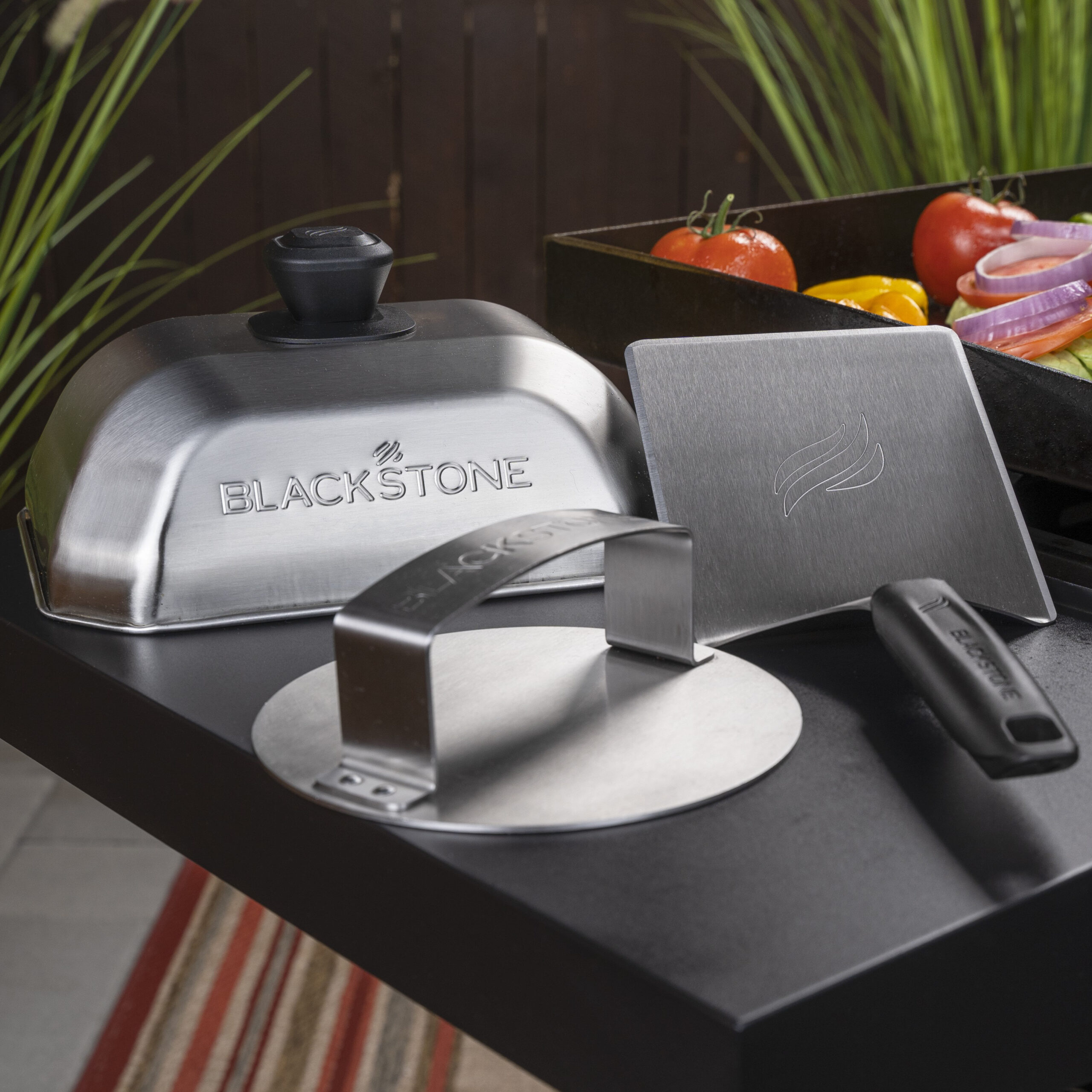
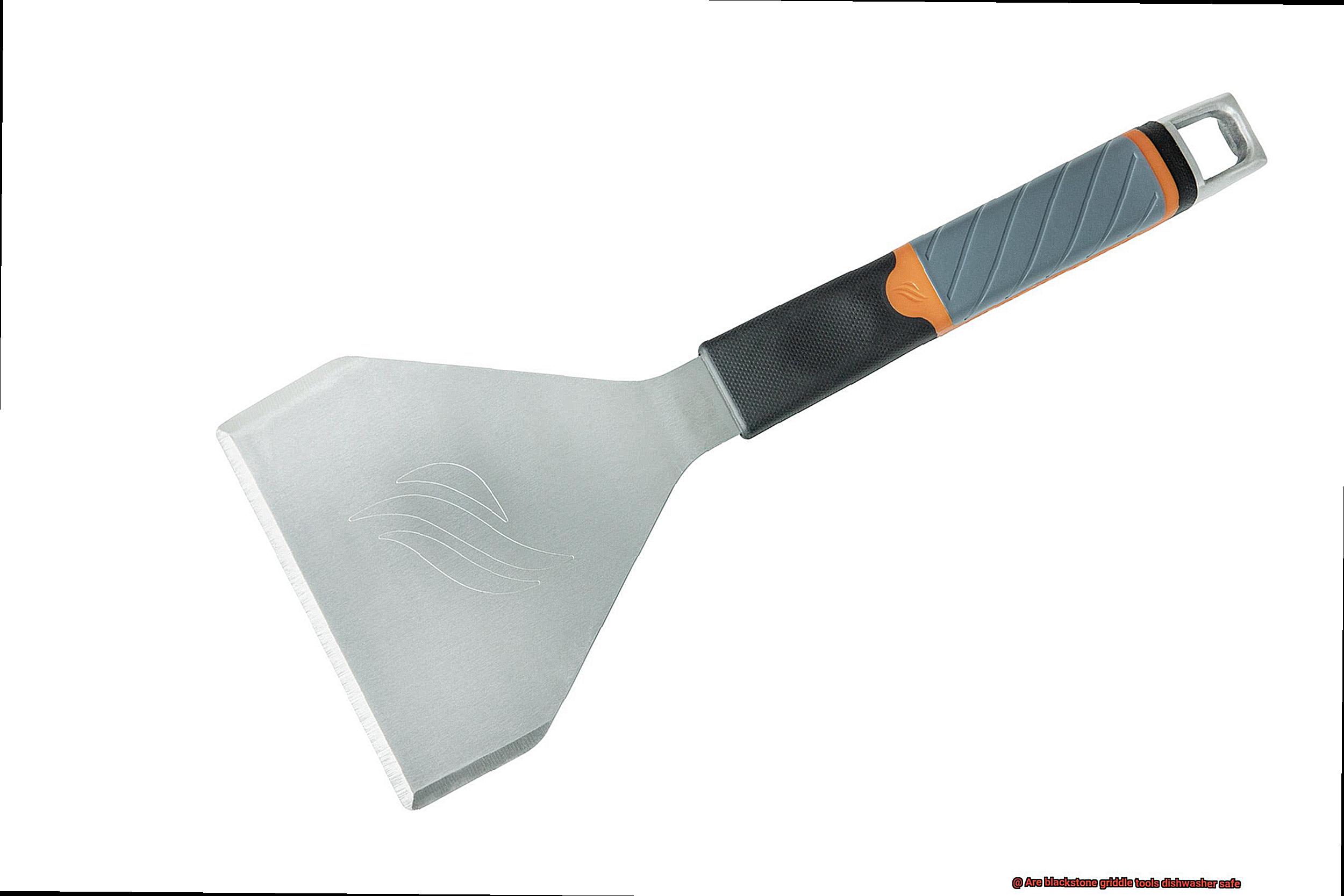
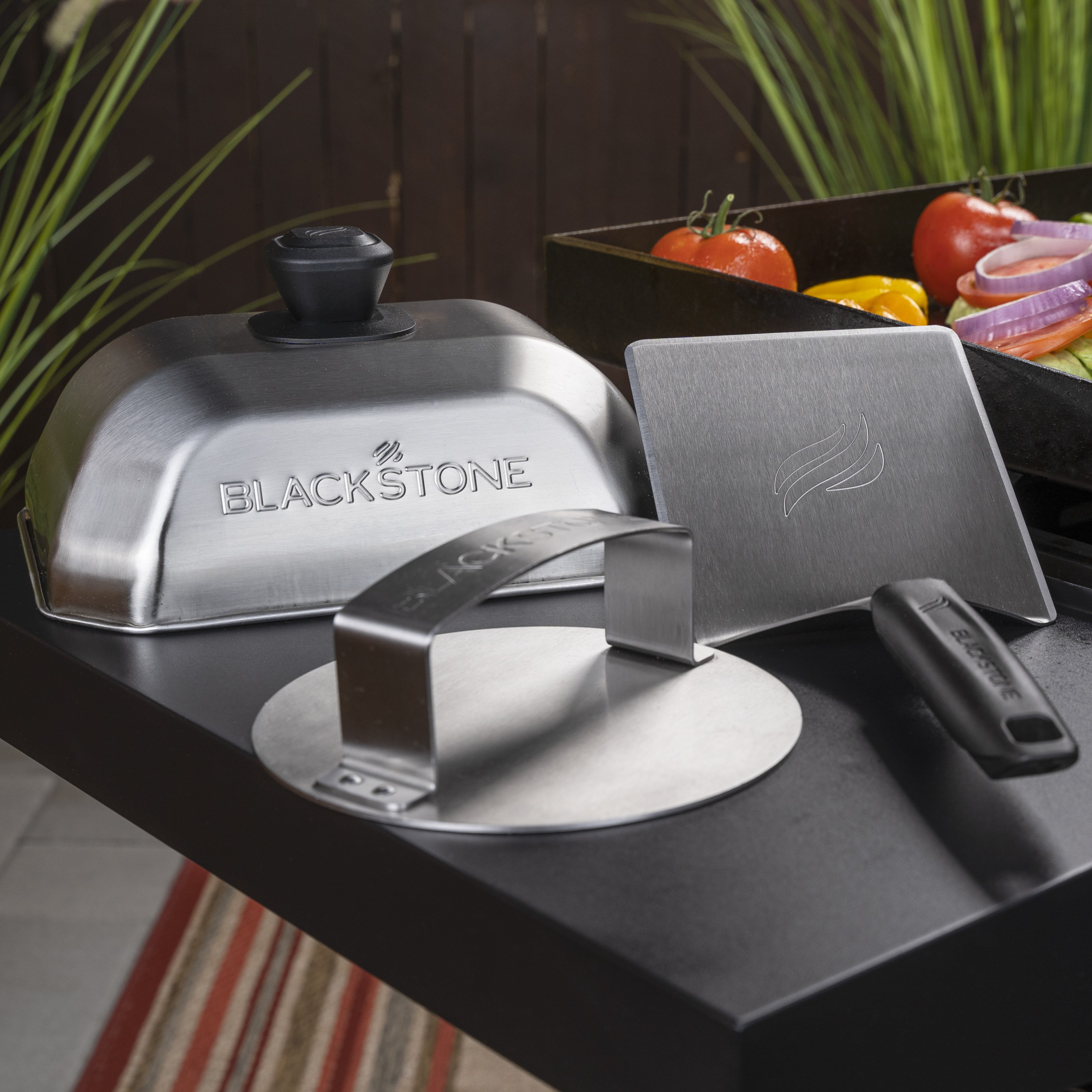
Yes, many blackstone griddle tools are dishwasher safe, but it depends on the exact tool and model. Blackstone’s five-piece griddle toolkit is listed as dishwasher safe, with the top rack recommended. Check the care label for your own tools before washing them. The griddle cooking plate itself should never go in the dishwasher.
Across the United States, Blackstone griddles are used for backyard cookouts, weekend breakfasts, camping trips, and tailgate meals. After cooking bacon, eggs, burgers, or pancakes, the last thing most people want is a long session at the sink. A dishwasher can save time, but not every griddle accessory is made to handle the same wash cycle.
Blackstone sells several kinds of cooking tools, including stainless steel spatulas, scrapers, tongs, squeeze bottles, and storage bags. Some kits have clear dishwasher-safe instructions, while other products may need a different cleaning method. The safest approach is to check the exact model, separate the tools from items that need hand washing, and dry everything well before storage.
This guide explains how to clean common Blackstone accessories, what to do with greasy tools, and which mistakes may shorten their useful life. It also clears up a common mix-up: dishwasher-safe utensils do not mean the griddle plate or the whole cooking unit can be washed in the same way.
Yes, many Blackstone griddle utensils can go in the dishwasher. The important detail is that dishwasher safety applies to specific products, not every item sold under the Blackstone name. The five-piece griddle toolkit, which includes two spatulas, a scraper, and two squeeze bottles, is listed as dishwasher safe, with the top rack recommended.
The tools in this kit use stainless steel blades and heat-resistant plastic handles. The material and construction help explain why the kit has care instructions that allow dishwasher cleaning. Still, the instructions for one set should not be applied to a different set without checking its label or manual.
Blackstone also sells camping kits, nylon utensils, individual tools, and other accessories. Their materials and parts may differ. Follow the care directions supplied with the exact item, especially when it has a special coating, a soft handle, or a bottle with a cap or nozzle.
Source: pastimebarandgrill.com
Dishwasher-safe utensils
Use the dishwasher for spatulas, scrapers, or tongs when the exact product instructions permit it.
Top rack recommended
For Blackstone’s five-piece griddle toolkit, the top rack is the stated recommendation. Follow this direction rather than choosing a hotter or more forceful cycle.
Items with uncertain care instructions
Hand wash these until you can confirm the correct cleaning method.
Griddle cooking surface
Keep the cooking plate out of the dishwasher. It needs a separate cleaning and care routine.
Why does the exact Blackstone model matter?
A stainless steel spatula with a plastic handle is different from a nylon turner or a squeeze bottle. Heat, water, detergent, and repeated wash cycles can affect these materials in different ways. A dishwasher-safe label for one product does not establish that every Blackstone accessory can handle the same conditions.
Check the model number
Look on the package, product label, manual, or retailer listing for the exact model and its cleaning directions.
Check every part
If a kit includes utensils, bottles, lids, and a carrying bag, do not assume they all share one care rule.
Which Blackstone Accessories Can Go in the Dishwasher?
The answer depends on the accessory, its materials, and the manufacturer’s care instructions. The following table is a practical starting point, not a replacement for the directions supplied with your product. If the exact item is not clearly marked as dishwasher safe, hand wash it instead.
Source: m.media-amazon.com
Stainless steel spatulas
Many Blackstone spatulas are dishwasher safe. Check whether the handle is plastic, coated, or made from another material before loading the utensil.
Stainless steel scrapers
Some scrapers are included in dishwasher-safe kits. Clean off stuck food first, and check the handle and blade care directions.
Metal tongs
Tongs may be dishwasher safe when their instructions allow it. Tongs with silicone tips, plastic sections, or special locking parts need model-specific care.
Squeeze bottles
Do not assume every bottle, cap, and nozzle is dishwasher safe. Some Blackstone camping kits recommend hand washing the bottles even when the utensils can go in the dishwasher.
Nylon utensils
Check the label for dishwasher and heat limits. Nylon can soften or warp if exposed to conditions beyond its rated limits.
Carry bags and storage cases
These are not automatically dishwasher safe. Clean fabric or other storage materials according to their own care instructions.
Griddle cooking plate
Do not put it in the dishwasher. Clean it according to the instructions for the specific Blackstone griddle.
What about the Blackstone five-piece toolkit?
The Blackstone five-piece griddle toolkit includes two long spatulas, one griddle scraper, and two squeeze bottles. Product information for the 5230EU version lists the kit as dishwasher safe and recommends the top rack. Retail listings for other five-piece toolkits also describe dishwasher-safe utensils, but the care directions can differ by version.
Before loading the whole kit, check the instructions for each included part. If your version has a separate note for the bottles, follow it. Remove food and grease from the spatulas and scraper first, and place them so that they cannot fall through the rack or block the spray arms.
Spatulas and scraper
Use the dishwasher when the instructions for your exact kit permit it.
Bottles and lids
Check whether the bottles, caps, and nozzles can handle dishwasher heat. Hand washing is the safer choice when their care rules are unclear.
Storage bag
Keep it out of the dishwasher unless its own care label explicitly allows machine washing.
How to Clean Blackstone Tools in the Dishwasher
Dishwasher cleaning works best when you remove loose food and excess grease first. This simple step helps keep the dishwasher cleaner and reduces the chance that food residue will remain on the tools. Always let hot utensils cool before handling them or placing them in the dishwasher.
Source: trm-objects.exceptionalcdn.com
Step 1: Let the tools cool
Move the utensils away from the hot griddle and let them cool to a safe temperature. Hot metal can burn your hands and may damage nearby items.
Step 2: Scrape off food
Use a suitable scraper or paper towel to remove loose food and thick grease. Avoid using a sharp edge in a way that could damage a coating or injure your hand.
Step 3: Check the care instructions
Confirm that the utensils are dishwasher safe and note whether the top rack is required or recommended.
Step 4: Load the tools securely
Place each item so that water can reach its surface. Keep long handles from blocking the spray arms, and avoid sharp blades pointing upward where they could cause an injury.
Step 5: Use a suitable cycle
Choose a normal cycle and a dishwasher detergent intended for your machine. Follow any temperature or rack limits listed by Blackstone.
Step 6: Remove and inspect
When the cycle ends, check for grease, trapped food, and detergent residue. Run another rinse or wash the item by hand if it is still dirty.
Step 7: Dry the tools
Wipe away remaining moisture and let the tools dry fully before storage. Pay attention to joints, handle connections, and other spots where water may collect.
How can you tell whether the tools are clean?
A clean utensil should have no visible food, greasy film, or detergent residue. Check both sides of each spatula, the edges of the scraper, and the areas around the handles. If you see residue or feel a slick film, wash the item again before using it for food.
No visible debris
Look for dried batter, cooked egg, meat bits, and other food stuck to corners or edges.
No greasy film
A greasy surface may need a little dish soap and a soft sponge.
No trapped water
Dry joints, seams, and handle connections before putting the tools away.
How to Hand Wash Blackstone Tools
Hand washing is the best fallback when a tool’s dishwasher rating is unknown or its instructions call for washing by hand. It also gives you more control over delicate handles, bottles, and coated parts. A sink, warm water, mild dish soap, and a soft sponge are enough for most ordinary food residue.
Source: mobileimages.lowes.com
Step 1: Remove food and grease
Wipe off loose scraps with a paper towel. Do not touch a sharp blade carelessly while cleaning it.
Step 2: Wash with mild soap
Use warm water and a small amount of dish soap. Clean both sides of the tool and the areas where the handle meets the metal.
Step 3: Clean narrow areas
Use a soft brush to reach joints, bottle caps, or grooves. Do not force a brush into a part that cannot be safely taken apart.
Step 4: Rinse well
Remove all soap and loosened food. Residue should not remain on a surface that will touch food.
Step 5: Dry fully
Use a clean towel and allow the item to air-dry as needed. Store it only after all parts are dry.
What should you do with sticky grease?
Grease from bacon, burgers, and cooking oil can cling to metal long after the visible food is gone. Wipe away the excess before washing, then use warm water and dish soap to break up the remaining film. If the grease is stubborn, soak a dishwasher-safe or hand-wash-only utensil in warm soapy water, provided its care instructions allow soaking.
Avoid harsh oven cleaners, strong chemicals, and abrasive pads unless the product instructions specifically permit them. These products may damage finishes or handles. Rinse thoroughly after cleaning, and never mix cleaning chemicals.
Use a soft sponge
This is suitable for most routine cleaning and is less likely to scratch a finished surface.
Use a soft brush
A brush can help remove food from corners and joints without scraping hard at the finish.
Repeat when needed
A second mild wash is better than using an aggressive chemical that may damage the tool.
Does the Dishwasher Damage Blackstone Tools?
A dishwasher should not damage a tool when the manufacturer says it is dishwasher safe and the care directions are followed. Problems can arise when the wrong cycle, detergent, or cleaning method is used. Repeated exposure to moisture and detergent may also affect some finishes, handles, or joined parts over time.
Stainless steel resists corrosion, but it is not completely immune to rust or staining. Water left in crevices, contact with certain residues, and unsuitable cleaning conditions can lead to spots or corrosion. A dishwasher-safe rating means the product is intended to tolerate the stated cleaning method, not that it will remain flawless under every possible condition.
Source: assets.wfcdn.com
Rust spots
These may appear when moisture remains on metal or when the surface is exposed to conditions that encourage corrosion. Dry the tool well and check whether the marks are surface residue or actual damage.
Dull or spotted metal
Mineral deposits, detergent residue, or surface changes can affect the appearance of stainless steel. Clean and rinse the tool according to its care directions.
Loose or damaged handles
Repeated heat or unsuitable washing conditions may affect some handle materials or joints. Stop using a tool if the handle becomes loose or the utensil is no longer safe to control.
Warped plastic
Plastic parts can deform if the dishwasher temperature exceeds their limits. Follow the product’s stated rack and temperature guidance.
Lingering odor
Food or grease may remain in a bottle, lid, or joint. Wash those areas thoroughly and allow the item to dry completely.
How to reduce rust and water spots
The easiest way to care for stainless steel tools is to remove food promptly, rinse away detergent, and dry them before storage. Do not leave wet tools in a closed bag or damp drawer. If a mark remains after cleaning, inspect it before using an abrasive cleaner, since aggressive scrubbing can change the finish.
Dry after washing
Use a clean towel, especially around seams and handle connections.
Store in a dry place
Keep the tools in a dry drawer, rack, or clean storage case.
Inspect regularly
Look for corrosion, sharp burrs, loose handles, and cracks that could affect safe use.
Can You Put a Blackstone Griddle in the Dishwasher?
No. Do not put the Blackstone griddle cooking plate or the complete griddle unit in a dishwasher. The cooking plate has different care needs from a removable stainless steel spatula. A dishwasher can expose the plate to water and detergent in ways that may damage its surface, seasoning, or other components.
Traditional Blackstone outdoor griddles often use a seasoned steel cooking surface. Seasoning is a layer formed through oil and heat that helps protect the metal from rust and makes cooking easier. Harsh cleaning methods or soaking the plate can harm that layer and leave the steel more open to corrosion.
Electric and camping models may have different cooking surfaces and care rules. Some have coated plates that need gentle cleaning, while the electric unit also contains parts that must not get wet. Read the manual for your specific model rather than applying instructions for a traditional outdoor steel griddle to every Blackstone product.
Source: kitchenseer.com
For a traditional steel griddle
Let the surface cool to a safe working temperature, remove food with a suitable scraper, and follow the manufacturer’s directions for water, wiping, drying, and oiling.
For an electric griddle
Unplug the unit and follow the manual. Keep electrical components away from water, and do not submerge the complete appliance.
For a coated camping or E-Series griddle
Use the cleaning method specified for that coating. Avoid metal tools and abrasive scrubbers if the manual warns against them.
For removable accessories
Clean each accessory separately and follow its own dishwasher or hand-wash instructions.
Why does griddle seasoning need special care?
Seasoning helps protect a traditional steel cooking surface and supports easier food release. It is not the same as a factory-applied synthetic coating. A seasoned griddle needs the right balance of scraping, wiping, drying, and oiling to help prevent rust and preserve the cooking surface.
Blackstone’s care guidance for traditional seasoned griddles describes scraping away food, using water when needed, drying the surface, and applying a thin layer of oil. Do not use the utensil dishwasher rule as a cleaning rule for the griddle itself.
Remove food first
Use a scraper that suits your griddle surface.
Dry the plate
Do not leave standing water on a traditional steel cooking surface.
Follow the right care guide
Use the instructions for your exact griddle type, especially for electric and coated models.
Common Blackstone Tool Cleaning Mistakes
A few simple mistakes can make cleanup harder or shorten the life of a griddle tool. The biggest risks are assuming every accessory has the same care instructions, washing hot utensils, and putting damp tools away. Avoiding these habits helps keep your utensils clean and ready for the next meal.
Source: i5.walmartimages.com
Putting every accessory in the dishwasher
A kit may include parts with different care needs. Check the instructions for utensils, bottles, caps, and bags separately.
Ignoring the top rack recommendation
If Blackstone recommends the top rack, use it. Do not place the item elsewhere simply because it fits.
Loading tools with thick food residue
Scrape off large scraps and excess grease before washing. This helps the dishwasher clean the tool and limits food buildup in the machine.
Leaving wet tools in a closed case
Trapped moisture can encourage corrosion, odors, and mildew on suitable materials. Dry every part before packing it away.
Using rough pads on every surface
Abrasive pads can scratch finishes and damage some coatings. Start with a soft sponge or brush unless the product directions say otherwise.
Cleaning a hot utensil immediately
Hot metal can burn your hands. Let it cool before washing and keep it away from children during cleanup.
Confusing tools with the cooking plate
A dishwasher-safe scraper does not make the griddle plate dishwasher safe. Treat the two as separate items.
What if a tool comes out of the dishwasher with residue?
First, check whether the residue is grease, dried food, mineral deposits, or detergent. Wash the tool again with warm water and mild dish soap if needed. If the residue will not come off, or the finish appears damaged, check the care instructions before trying a stronger cleaner.
Grease remains
Wipe off excess grease and wash the tool again with mild dish soap.
Food remains in a joint
Use a soft brush to clean the area without damaging the handle or connection.
Rust or pitting appears
Inspect the surface and contact Blackstone support if you cannot tell whether the tool is still suitable for food use.
How Often Should You Clean Blackstone Tools?
Clean Blackstone cooking tools after each use, especially when they have touched raw meat, eggs, dairy, or other foods that can carry harmful germs. A quick rinse alone is not enough to remove all grease and food residue. Use a suitable wash method, rinse thoroughly, and let the tools dry before storage.
For outdoor cooks who use their griddle several times a week, a consistent routine makes cleanup easier. Wiping off food before it hardens can reduce scrubbing later. Check tools from time to time for rust, damaged edges, loose handles, or other defects.
Source: assets.wfcdn.com
After every cooking session
Wash food-contact tools with a suitable method before storing them.
After handling raw food
Clean and sanitize utensils as appropriate before using them with cooked food. Do not use an unwashed tool on ready-to-eat food after it has touched raw meat.
Before long-term storage
Make sure tools are clean and fully dry. Store them in a dry area protected from dirt and moisture.
During routine inspection
Look for corrosion, cracks, sharp damage, and loose connections that may make a utensil unsafe to use.
Should you sanitize tools after washing?
Ordinary dishwashing removes food and grease, but cleaning and sanitizing are not identical. When food safety calls for sanitizing, use a method suitable for the utensil and follow the product label. Do not use a chemical sanitizer on a food-contact surface unless its directions permit that use, including the required dilution and rinse steps.
Use clean washing water
Avoid washing clean utensils in a sink full of dirty water or food scraps.
Keep raw and cooked food separate
Wash utensils that touched raw meat before using them to serve cooked food.
Where to Check Official Blackstone Cleaning Instructions
The most reliable way to settle a question about a specific accessory is to use the product’s own care instructions. Start with the package or manual. If those are missing, look up the exact product name or model number on Blackstone’s official website or contact its support team.
Retailer pages can help identify a product’s materials and listed cleaning method. However, listings may contain incomplete or conflicting details, especially when several versions share a similar name. Treat the instructions for the exact model as more useful than a general statement about all griddle tools.
Source: trm-objects.exceptionalcdn.com
Find the model number
Check the product packaging, manual, label, or purchase record.
Review the official product page
Look for care instructions, material details, and notes about the top rack or hand washing.
Contact support if needed
Provide the model number and ask whether each part is dishwasher safe.
Keep the care instructions
Save a digital copy or retain the packaging details so you can check them before future washes.
What evidence supports the cleaning advice in this guide?
Blackstone’s published product information for its five-piece griddle toolkit states that the kit is dishwasher safe and recommends the top rack. Retail listings for certain other kits also identify dishwasher-safe utensils. These details support a model-specific answer, not a blanket claim about every Blackstone accessory.
Blackstone’s griddle care guidance separately explains how to clean and dry traditional seasoned cooking surfaces. That distinction matters because utensil care and griddle care serve different purposes. No hands-on test of every tool model is claimed here, and the instructions for an unverified model should be checked before use.
Documented product details
Use stated care directions for the exact model whenever they are available.
Practical cleaning guidance
Removing food, rinsing thoroughly, and drying tools are general maintenance steps, but they do not replace the product’s instructions.
Frequently Asked Questions
Q
Can I put Blackstone spatulas in the dishwasher?
Many Blackstone stainless steel spatulas are dishwasher safe, but check the care instructions for your exact model. If the instructions recommend the top rack, follow that direction. Remove stuck food before washing and dry the spatula fully before storage.
Q
Are Blackstone griddle scrapers dishwasher safe?
Some Blackstone scrapers are included in dishwasher-safe toolkits. The five-piece griddle toolkit is listed as dishwasher safe, with the top rack recommended. Check your scraper’s material and handle instructions before putting it in the dishwasher.
Q
Can Blackstone squeeze bottles go in the dishwasher?
Do not assume that all Blackstone squeeze bottles are dishwasher safe. Care instructions can differ by kit, and some camping kits recommend hand washing the bottles even when the utensils are dishwasher safe. Check the bottle, cap, and nozzle instructions before machine washing.
Q
Can Blackstone tools rust after a dishwasher cycle?
Yes, rust or corrosion can occur if conditions are unsuitable, even on stainless steel. Moisture trapped around joints, surface damage, and exposure to certain residues can contribute to the problem. Follow the care instructions, dry the tools thoroughly, and store them in a dry place.
Q
Can I put my Blackstone griddle plate in the dishwasher?
No. Do not put the Blackstone griddle cooking plate in the dishwasher. Traditional steel plates need care that preserves their seasoning and helps prevent rust, while electric and coated models have their own cleaning limits. Follow the manual for your specific griddle.
Q
Is the top rack better for Blackstone tools?
Use the top rack when the product instructions recommend it. Blackstone’s five-piece griddle toolkit is listed with a top-rack recommendation. Do not treat the top rack as a universal rule for every tool, bottle, or accessory; follow the instructions for each item.
Q
Can I use dish soap on Blackstone cooking tools?
Yes, mild dish soap is suitable for hand washing most ordinary griddle utensils when their care instructions permit it. Rinse well to remove grease and soap residue. The cleaning rules for a traditional seasoned griddle plate are different, so do not automatically apply utensil-cleaning advice to the cooking surface.
✦ Wrapping Up
Conclusion
Many Blackstone griddle tools are dishwasher safe, but the exact model matters. The five-piece griddle toolkit is listed as dishwasher safe, with the top rack recommended. Other accessories, including squeeze bottles, nylon tools, and storage bags, may have different care requirements.
For the best results, remove food and excess grease before washing, follow the stated rack and temperature guidance, and dry the tools completely. Hand wash any item whose dishwasher rating is unclear. Never put the griddle cooking plate or a complete electric griddle in the dishwasher.
A few extra minutes of proper care can help keep your tools clean and ready for the next backyard breakfast or cookout. When in doubt, check the exact model’s instructions rather than relying on a general rule for the entire brand.
💡 Key Takeaway
Before your next wash, check the model number and care label. Put only confirmed dishwasher-safe parts in the machine, use the recommended rack, and dry every tool fully before storing it.