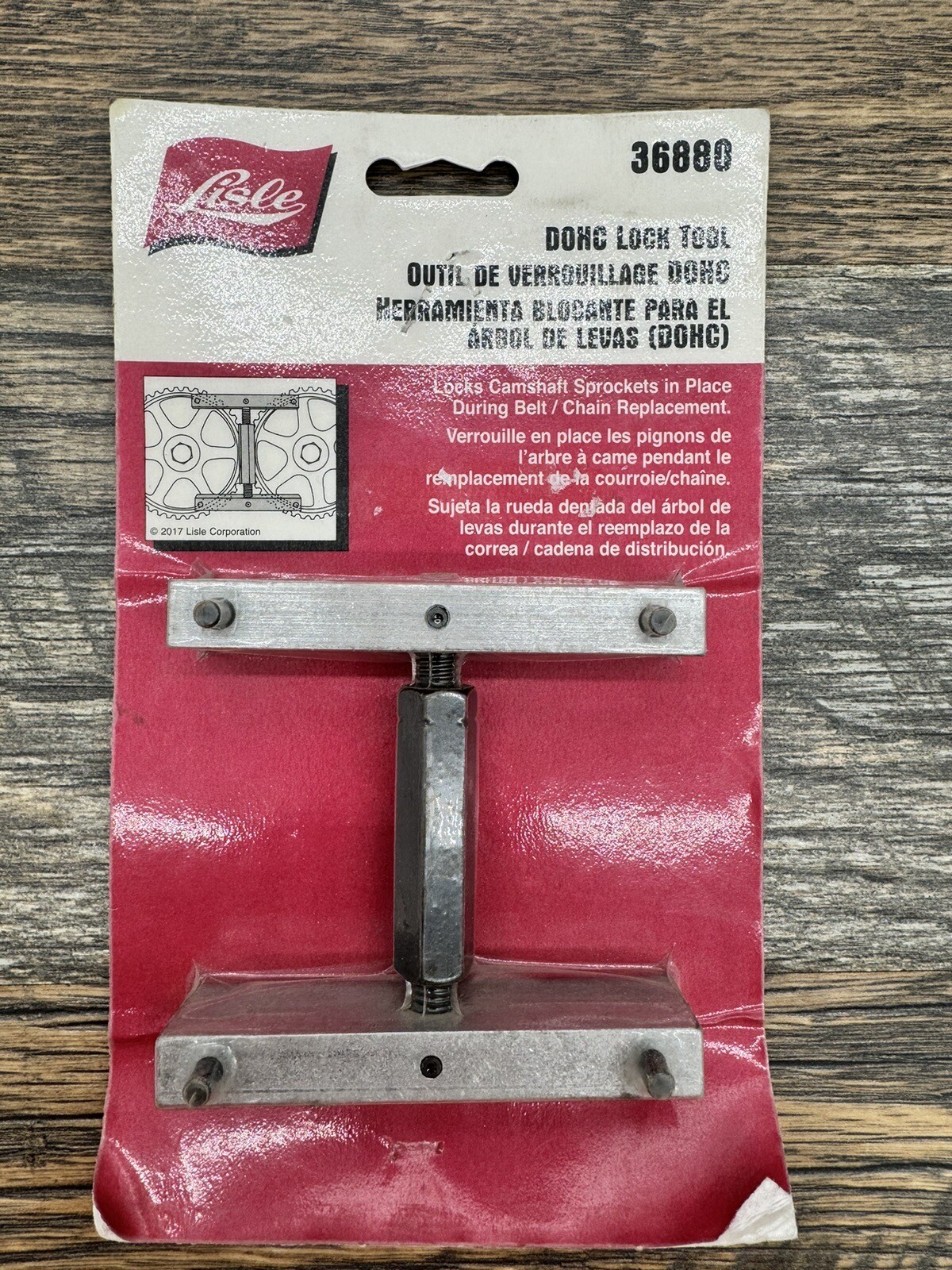
Lisle tools are commonly listed with a lifetime warranty against defects in materials and workmanship. Misuse, abuse, neglect, and accidental damage may fall outside coverage. Contact Lisle Corporation or your tool dealer to confirm the current terms and the correct replacement process for your exact tool.
In the United States, Lisle tools are used in home garages, repair shops, dealerships, and automotive service centers. A broken socket, damaged specialty tool, or failed part can stop a repair in its tracks. The Lisle tools warranty may help when a product fails because of a covered defect, but the reason for the failure matters.
Lisle Corporation is based in Clarinda, Iowa, and makes specialty automotive tools, creepers, and lubrication and tire products. Its official website provides product information and contact details. Retailer warranty listings describe lifetime coverage for defects in materials and workmanship, with misuse and abuse excluded. However, buyers should confirm the current terms for their model rather than assume every claim will receive automatic approval.
The best first step is simple. Find the tool‘s model number, check how it failed, and keep your proof of purchase if available. Then ask Lisle or the seller whether the tool should be returned to the store or sent to the manufacturer. Confirm any return approval and shipping rules before mailing the item.
The Lisle tools warranty is a form of product protection for eligible defects. Retailer warranty information describes lifetime coverage for defects in materials and workmanship. In plain English, this means a tool that fails because of a covered problem with its materials or construction may qualify for warranty service.
A lifetime warranty does not mean that every damaged tool must be replaced at no cost. The cause of the failure, the product involved, and the current warranty terms all matter. A tool that breaks during normal use may deserve review, while one damaged by an improper application may be excluded.
Lisle’s official website lists its business address and phone number. It also provides product information and a contact route. Because a complete current warranty policy is not clearly presented on the official homepage, it is sensible to ask the company to confirm the terms for the exact product before sending anything back.
Source: xtremediesel.com
Covered defect
A failure caused by a defect in material or workmanship may qualify for warranty review.
Excluded damage
Damage caused by abuse, misuse, neglect, accidents, or improper use may not qualify.
Claim review
The manufacturer or seller may need to inspect the tool before deciding whether to approve a remedy.
Product-specific terms
Check the model’s documentation and ask about any special conditions instead of assuming that all products follow identical rules.
Does Lisle Offer a Lifetime Warranty?
Lifetime coverage is reported in several Lisle retailer warranty listings. Some product listings also state that coverage lasts for the product’s lifetime except in cases of abuse or neglect. These descriptions support the general understanding that Lisle offers broad warranty protection on eligible products.
Still, the phrase lifetime warranty needs context. It does not necessarily mean the original owner receives unlimited replacements for every type of damage. It also does not establish that labor, lost work time, return shipping, or every related expense will be paid. Ask Lisle to explain these details when they affect your claim.
Do not assume unlimited coverage
The warranty’s exclusions and approval process still apply.
Check the exact product
Keep the model number and any instructions or warranty paperwork that came with the tool.
What Does a Defect in Materials or Workmanship Mean?
A material defect may involve a problem with the substance used to make a tool. A workmanship defect may involve a flaw in how a component was made or assembled. These terms describe possible manufacturing problems, not every type of wear or breakage.
For example, a component that cracks during ordinary, correct use may deserve inspection. A socket that becomes damaged after being used with an unsuitable power tool or an extension that is not approved for the task may be treated differently. Only the manufacturer or its authorized warranty handler can decide how the specific failure fits the policy.
Explain the normal use
Describe the task, tool setup, and how the failure occurred without guessing at the cause.
Keep the damaged part
Do not discard or alter the failed component before the warranty handler tells you what to do.
What Does the Lisle Warranty Cover?
The main issue in a Lisle warranty claim is whether the product failed because of a covered defect. A tool’s age alone does not answer that question. Neither does the fact that a tool broke during a repair.
Lisle makes many kinds of automotive products, including specialty hand tools, engine service tools, creepers, and fluid-handling products. The force, load, and working conditions differ across these product types. A failure should be judged against the intended use and the applicable warranty terms.
Source: m.media-amazon.com
Possible manufacturing defects
A fault in materials or construction may qualify when it falls within the applicable warranty.
Premature failure during proper use
An early failure can be a reason to request an inspection, but it does not prove that the product had a manufacturing defect.
Eligible product components
Ask whether a failed part, accessory, or replaceable component is covered on its own or must be assessed with the full tool.
Approved warranty remedies
The company or seller will explain whether an approved claim leads to a replacement, repair, or another remedy under the applicable terms.
Examples of Failures Worth Reporting
A Lisle tool that cracks during the intended task may be worth submitting for warranty review. The same applies to a component that appears to have a manufacturing flaw or a part that fails under normal conditions. Provide enough detail for the reviewer to understand what happened.
Avoid claiming that a defect is certain unless you have evidence. A short, factual report is more useful than an angry message or a guess about the cause. Include the model number, the approximate purchase date, and the conditions in which the tool failed.
A part cracks during normal use
Photograph the crack and explain the task and setup.
A component separates unexpectedly
Keep the pieces together and show where the separation occurred.
A tool appears poorly made
Describe the visible flaw and share a clear photo if the company requests one.
What Damage May Be Excluded?
Retailer warranty descriptions for Lisle exclude abused or misused products. Other published warranty summaries also identify neglect, accidents, and improper use as exclusions. The exact decision depends on the facts and the terms that apply to your product.
A tool may be damaged by excessive force, a wrong application, an unsuitable attachment, or use beyond its intended purpose. Wear from repeated use can also differ from a manufacturing defect. Do not try to hide the cause or repair the evidence before the company has reviewed the claim.
Misuse
Using a tool for a job it was not designed to perform may lead to a denied claim.
Abuse or excessive force
Damage caused by forcing a tool beyond its intended limits may not qualify.
Neglect
Poor care or failure to follow required instructions may affect eligibility.
Accidental damage
An accident is not automatically a covered defect, even if the tool is otherwise in good condition.
How to Make a Lisle Tools Warranty Claim
Start with the seller or Lisle Corporation, then follow the return instructions you receive. Some sellers may handle eligible tool claims at the store or through their own warranty desk. Other cases may require the manufacturer to review the product directly.
Do not assume that you can mail a broken tool to the company’s address without approval. A distributor warranty document has described a return authorization process and a prepaid return shipment, but that document is not proof of the current rules for every Lisle product. Confirm the current process first.
Source: i.ebayimg.com
Step 1: Identify the tool
Find the model or part number printed on the tool, packaging, instruction sheet, or purchase record.
Step 2: Review the failure
Check whether the tool was used for its intended task and note the conditions when it failed.
Step 3: Gather purchase details
Keep the receipt, order confirmation, seller name, and approximate purchase date if available.
Step 4: Contact the seller or manufacturer
Ask who should handle the claim and whether a return authorization number is required.
Step 5: Follow the approved return method
Confirm the address, shipping method, packaging rules, and responsibility for shipping costs before sending the tool.
Step 6: Keep a record
Save emails, claim numbers, shipping receipts, and any written decision about the warranty.
What Information Should You Prepare?
A clear claim gives the warranty reviewer the facts needed to assess the failure. You do not need to write a long story. A short explanation, useful photos, and accurate product details are often a good starting point.
If the tool was bought as part of a kit, explain which part failed and whether the rest of the kit is still available. Ask whether the company needs the failed piece alone or the full set. Do not ship extra parts until you receive instructions.
Tool details
Model number, product name, and a photo of any label or marking.
Purchase details
Receipt or order confirmation, purchase date, and seller information.
Failure details
A plain account of what failed, when it happened, and how the tool was being used.
Supporting photos
Clear images of the whole tool, damaged area, and any broken parts.
What If You No Longer Have the Receipt?
Contact the seller or Lisle anyway and ask what proof they can accept. A receipt may be requested, but you should not assume that losing it automatically ends every possible claim. The reviewer may ask for another record or may explain that proof of purchase is required.
An old order email, a store account record, or a card statement may help identify the purchase. These records do not guarantee approval. Share only the information needed to locate the transaction and support your request.
Search old records
Check email, online order history, and paper files for the original purchase.
Ask before returning
Confirm whether the claim can proceed without the original receipt.
What If the Store Will Not Replace the Tool?
A store may not offer direct replacement for every brand or product. Ask whether its policy requires the manufacturer to review the item. If the store cannot help, contact Lisle using the official contact information and explain what the retailer told you.
Keep the discussion calm and factual. A refusal at one store does not by itself prove that the manufacturer has denied the warranty. Ask for the next step and any written requirements before sending the tool elsewhere.
Request the reason
Ask whether the issue is store policy, missing paperwork, or a decision about coverage.
Contact Lisle directly
Provide the product number and explain that the retailer could not process the claim.
Keep the original tool
Do not discard it until the manufacturer or seller confirms the final outcome.
How to Contact Lisle Corporation About Warranty Service
Lisle Corporation’s official website lists its headquarters in Clarinda, Iowa, and provides a company phone number. Contacting the manufacturer is a practical route when a retailer cannot process the claim or when you need the current return instructions.
The official contact details listed on the company website are shown below. Verify the details on the official site before sending a tool, especially if you are using old packaging or an older warranty sheet.
Source: auto-repair-manuals.com
Company
Lisle Corporation.
Street address
807 E. Main Street, Clarinda, Iowa 51632.
Mailing address
P.O. Box 89, Clarinda, Iowa 51632.
Phone
(712) 542-5101.
Official website
https://www.lislecorp.com/
What Should You Say When You Call?
State that you have a Lisle tool that has failed and want to check warranty eligibility. Give the model number and explain the failure in a few sentences. Ask whether the company needs photos, proof of purchase, the physical tool, or a return authorization.
Before ending the call, confirm the correct destination and who pays shipping. Ask whether the company will inspect the tool before making a decision. Write down any case number or instructions so you do not need to repeat the whole process later.
Suggested opening
I have a Lisle tool, model number [number], that failed during its intended use. Can you explain the current warranty process for this product?
Useful follow-up
Do I need a return authorization, and should I send the tool to you or take it back to the seller?
Shipping question
Please confirm the return address, shipping method, and whether I am responsible for shipping costs.
Can You Submit a Claim by Email?
Check the contact options on Lisle’s official website to see which method is currently supported. If an email or web form is available, include your product number and a concise description of the issue. Attach photos only when the contact method allows them.
Avoid sending payment card details, passwords, or other unnecessary private information. If you use a web form, keep a copy of your message and any confirmation you receive. If there is no reply, use the official phone number to ask about the next step.
Use official contact channels
Choose contact details published by Lisle rather than relying only on an old forum post.
Keep the message clear
Include the model number, purchase details, failure description, and a request for the correct procedure.
Does the Lisle Warranty Cover Shipping and Labor?
Do not assume that a lifetime tool warranty also pays for shipping, labor, lost income, or vehicle repair costs. Those are separate issues from whether the tool itself has a covered defect. The current terms and the outcome of the claim determine what remedy is available.
A distributor warranty document has described contacting the manufacturer for a return authorization, packing the item carefully, including purchase proof, and shipping it prepaid. That information may be useful as background, but it should not replace direct confirmation of the current process. Shipping rules can vary by claim route or seller.
Source: servicechamp.com
Return shipping
Ask who pays to send the tool in and whether the company covers shipping a replacement back.
Labor costs
Ask whether labor is excluded; do not assume a tool warranty pays for time spent on a repair.
Vehicle damage
A tool warranty does not automatically mean related vehicle damage or repair expenses are covered.
Packaging
Use suitable packing and follow the approved shipping method to avoid damage in transit.
How Much Might a Warranty Return Cost?
The cost depends on the shipping method, package size, weight, and the instructions provided for the claim. There is no single shipping amount that can be stated for every Lisle tool. A small hand tool may cost less to ship than a large creeper or a complete tool kit.
For a practical estimate, compare the carrier’s rate for the package you will actually send. Confirm the destination first, then ask whether the claim requires tracking or any special packing. Do not spend money on a return until the warranty handler confirms that the shipment is needed.
Check package size
Use the packed dimensions and weight, not just the tool’s listed size.
Compare shipping rates
Use a carrier quote based on the confirmed destination.
Keep the tracking number
Save the shipping record until the claim is resolved.
How Long Does a Lisle Warranty Replacement Take?
The time needed for a Lisle warranty claim depends on the claim route, the information supplied, whether the tool must be inspected, and the availability of a suitable replacement. A claim handled by a retailer may follow a different process from one sent to the manufacturer.
There is no verified, current standard turnaround time for every Lisle warranty claim. Older online forum posts describe individual replacement experiences, but those reports do not establish a current service promise. Treat them as personal accounts rather than a guarantee.
If the tool is needed for a work order, ask about the likely timeline before shipping it. You may need a temporary replacement to keep the job moving. Do not plan a repair schedule around an unconfirmed delivery date.
Source: i.ebayimg.com
Provide complete details
Missing model numbers, unclear photos, or absent purchase records may lead to follow-up questions.
Ask about inspection
Find out whether the company needs to receive the tool before it can decide on the claim.
Keep proof of delivery
Use tracking when appropriate and retain the carrier’s delivery confirmation.
Follow up politely
If the expected response date passes, provide the claim number and ask for an update.
What If You Need the Tool Right Away?
A warranty claim may take time, so consider whether you can safely use another suitable tool while the claim is reviewed. For a professional shop, the cost of downtime may be greater than the cost of a temporary replacement. Compare that cost with the value of the claim before making a decision.
Never use a damaged tool just to avoid waiting. A cracked socket, bent puller, or damaged specialty tool can fail again and may injure someone or damage a vehicle. Remove the tool from service until its condition has been assessed.
Use a safe alternative
Choose a tool rated and designed for the same job, and follow its instructions.
Do not modify the failed tool
Avoid welding, grinding, or other repairs before the warranty review unless the manufacturer authorizes them.
Common Reasons a Lisle Warranty Claim May Be Delayed or Denied
A claim can stall when the product is hard to identify, the failure is not clearly explained, or the return does not follow the approved procedure. A denial may occur when the damage appears to fall under an exclusion. These outcomes are different, so ask which issue applies to your case.
You can reduce avoidable delays by giving accurate information from the start. Do not guess at technical causes or state that a defect is proven when it has not been inspected. The goal is to help the warranty reviewer make a fair decision using the facts.
Source: i.ebayimg.com
The model number is missing
Find the product number on the tool, its packaging, or the original purchase record.
The failure description is vague
Explain what broke, what task was underway, and whether the tool was used as directed.
The wrong return address was used
Contact the company or seller before shipping and follow the confirmed instructions.
The tool was altered
Tell the reviewer about any prior repair or modification, as it may affect the assessment.
The damage may be excluded
Ask which warranty term applies and whether any further review is available.
What to Do If a Claim Is Denied
Ask for the reason in clear terms. The issue may be misuse, normal wear, an excluded type of damage, missing proof, or a product that is not covered by the terms you expected. A clear reason helps you decide whether you have new information to provide.
If you believe the decision overlooked an important fact, respond with the model number, purchase record, photos, and a short explanation. Ask whether a second review is available. Keep the discussion factual and avoid sending repeated messages without adding useful information.
Request the basis for the decision
Ask which part of the warranty terms led to the denial.
Provide missing evidence
Send relevant records or photos if the reviewer says they may help.
Check with the seller
The retailer may be able to explain its role or direct you to the correct warranty contact.
Review other options
If warranty coverage does not apply, ask about paid repair or replacement parts when available.
How to Care for Lisle Tools and Reduce Damage
Good care can help tools last longer and may reduce avoidable failures. Use each Lisle tool for its intended task, follow the instructions, and choose the correct size and setup. Do not add force just because a part will not move.
Routine checks are useful in both home garages and professional shops. Look for cracks, bends, worn edges, loose parts, and other signs of damage before each job. Store tools in a dry place and keep them clean enough to spot new wear.
Source: i.ebayimg.com
Use the correct tool
Match the tool to the part and repair task. Avoid makeshift uses that put stress on the wrong areas.
Follow product instructions
Use the stated method and any required adapters or accessories.
Inspect before use
Check for cracks, deformation, loose fittings, and other damage.
Clean after the job
Remove grease and dirt as appropriate, then dry the tool before storage.
Store tools safely
Use a suitable case or tool drawer to reduce impact damage and loss of parts.
Should You Repair a Broken Tool Before Filing a Claim?
Contact the warranty handler before repairing a failed tool. Welding, grinding, drilling, or replacing parts may change the condition that the manufacturer needs to assess. It may also create a safety risk if the tool is used again without proper inspection.
If the company authorizes a repair, follow its directions. Otherwise, keep the damaged item out of service and ask whether it should be returned for inspection or discarded. Do not attempt a repair that could weaken a load-bearing part or hide the original failure.
Pause use
Set the damaged tool aside so nobody uses it by mistake.
Take clear photos
Record the condition before shipping or making any approved change.
Ask for guidance
Confirm whether the tool should be repaired, returned, or replaced.
Lisle Warranty Compared With Other Tool Warranty Types
Tool warranties use similar terms, but the details can differ by brand and product. Some cover manufacturing defects for a stated period. Others offer limited lifetime coverage, while some products have shorter terms or separate rules for parts and accessories.
The word limited matters. It often means the warranty has defined exclusions or conditions, even when the stated period is long. For Lisle, retailer listings describe lifetime coverage for defects in materials and workmanship and exclude certain forms of misuse or abuse. Confirm the actual terms rather than comparing brands by the word lifetime alone.
Source: auto-repair-manuals.com
Coverage period
Check whether the warranty lasts for a set number of years or for the product’s lifetime.
Covered failures
Compare how each policy defines defects, wear, and damage caused by improper use.
Claim method
Check whether claims go through the retailer, distributor, or manufacturer.
Costs
Confirm whether shipping, labor, and other expenses are excluded or covered.
Remedy
Check whether the policy allows repair, replacement, or another remedy.
Is a Lifetime Warranty Better Than a Limited Warranty?
Not always. A lifetime warranty may offer long-term protection, but its value depends on the covered failures, exclusions, and claim process. A shorter warranty with clear terms and easy local service may be more useful for some buyers.
For a Lisle tool, the key question is whether the product is likely to fail from a covered defect and how the claim would be handled. Read the policy and keep the purchase record. That gives you a better basis for comparing warranties than the label alone.
Look beyond the label
Review the exclusions and the type of failure that qualifies.
Check the service route
A nearby seller may offer a simpler claim path than a return to the manufacturer.
A Practical Checklist Before You Submit a Claim
Use this checklist to prepare a clear warranty request. It helps you gather the details that are most likely to matter and avoid an unnecessary shipment. The manufacturer or seller may request more information after reviewing the initial claim.
Source: xtremediesel.com
Identify the product
Record the model number and product name.
Describe the failure
State what happened and how the tool was being used.
Gather purchase proof
Find the receipt, order email, or other records that may help verify the purchase.
Take photos
Photograph the complete tool and the damaged area.
Confirm the warranty route
Ask the seller or Lisle who should process the claim.
Confirm shipping rules
Get the correct address, any authorization number, and cost details.
Keep all records
Save the messages, tracking details, and any claim reference.
Sample Warranty Request
Use the following wording as a starting point. Replace the bracketed details with accurate information and remove anything that does not apply to your situation.
Message
Hello, I have a Lisle [tool name or model number] that failed while I was using it for [intended task]. The issue occurred on or around [date]. I purchased it from [seller] on or around [purchase date]. I can provide photos and proof of purchase if needed. Could you confirm whether this product may qualify for warranty review and explain the correct return process? Please also let me know whether I need a return authorization and who is responsible for shipping costs. Thank you.
What to Do After the Warranty Decision
Once Lisle or the seller responds, read the decision and save it with your purchase records. If the claim is approved, follow the directions for the replacement or other remedy. Check the new item when it arrives and make sure the model and parts match the approved claim.
If the claim is not approved, ask whether the company offers a paid repair or replacement part for that product. Not every item has service parts available, so confirm before spending money. Compare the cost of a repair with the cost of a suitable replacement, especially when the tool is old or badly worn.
For a tool that failed in a way that could cause injury, do not return it to service unless the issue has been properly resolved. A warranty outcome does not replace the need for safe tool use. Follow the product instructions and inspect the tool before using it again.
Source: m.media-amazon.com
If approved
Follow the replacement or repair instructions and retain the decision for your records.
If more information is requested
Send the requested details and refer to the existing claim number.
If denied
Ask for the reason and check whether another review or paid service is available.
If the tool is unsafe
Keep it out of use until it has been replaced or properly repaired.
Frequently Asked Questions
Q
Does Lisle have a lifetime warranty on its tools?
Retailer warranty listings commonly describe lifetime coverage for defects in materials and workmanship. Misuse and abuse are listed as exclusions in published warranty summaries. Confirm the current terms for your exact tool with Lisle Corporation or the seller before starting a claim.
Q
Can I return a broken Lisle tool to the store?
Possibly. The seller may handle the claim, but store policies and return procedures can differ. Contact the retailer first and ask whether it can process the warranty or whether you must contact Lisle directly.
Q
Do I need a receipt for a Lisle warranty claim?
A receipt or other purchase record can help support the claim, and a warranty handler may require proof of purchase. If you no longer have the receipt, ask whether an order email, seller record, or other documentation can be accepted. Do not assume that an alternative record will guarantee approval.
Q
Will Lisle replace a tool that breaks during use?
A tool that breaks during use may qualify if the failure results from a covered defect. The fact that it broke is not enough by itself to establish coverage. The company may review the product, how it was used, and the cause of the damage before deciding on a remedy.
Q
Does the Lisle warranty cover misuse or accidental damage?
Published warranty summaries identify misuse and abuse as exclusions, and other summaries also mention neglect, accidents, and improper use. The exact terms for your product control the decision. Explain what happened honestly and ask the warranty handler whether the damage falls within coverage.
Q
Where is Lisle Corporation located?
Lisle Corporation lists its address as 807 E. Main Street, Clarinda, Iowa 51632, with P.O. Box 89, Clarinda, Iowa 51632, as its mailing address. Its listed phone number is (712) 542-5101. Check the official website for current contact details before sending a tool.
Q
How long does a Lisle warranty claim take?
The time varies with the claim method, inspection needs, and replacement availability. No verified standard turnaround time applies to every claim. Ask the seller or manufacturer for an estimate and keep your claim number and shipping records.
Q
Should I mail my broken Lisle tool without calling first?
It is better to contact the seller or Lisle before mailing the tool. Ask whether a return authorization is required, which address to use, what documentation to include, and who pays shipping. Following the approved process can help prevent a misplaced or delayed return.
✦ Wrapping Up
Conclusion
The Lisle tools warranty may provide long-term protection when a tool fails because of a covered defect in materials or workmanship. Published retailer descriptions commonly state lifetime coverage, while also excluding damage linked to misuse or abuse. The final decision depends on the applicable terms and the facts of the failure.
Start by identifying the exact tool and gathering any purchase records and photos. Contact the seller or Lisle Corporation to confirm coverage, return instructions, shipping costs, and any authorization requirements. Keep the damaged tool out of service until it is safe to use again.
💡 Key Takeaway
Find your Lisle tool’s model number, call (712) 542-5101 or contact the original seller, and confirm the current warranty process before shipping the tool.