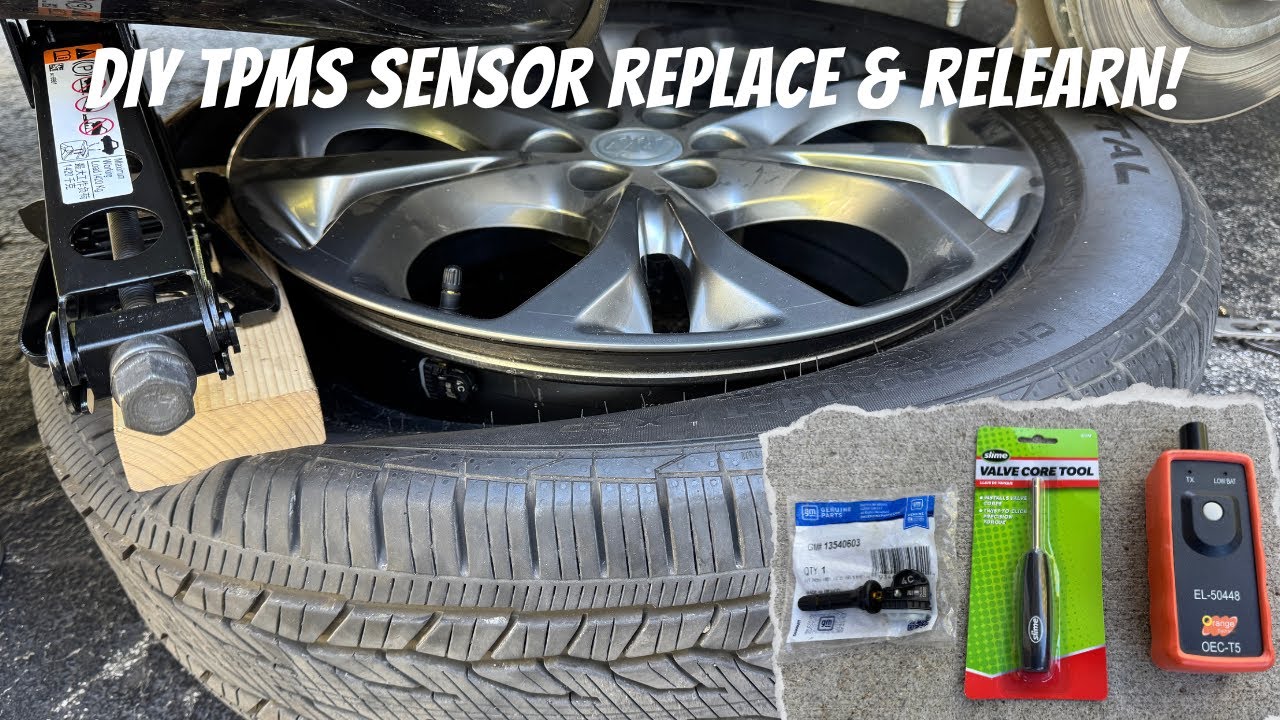
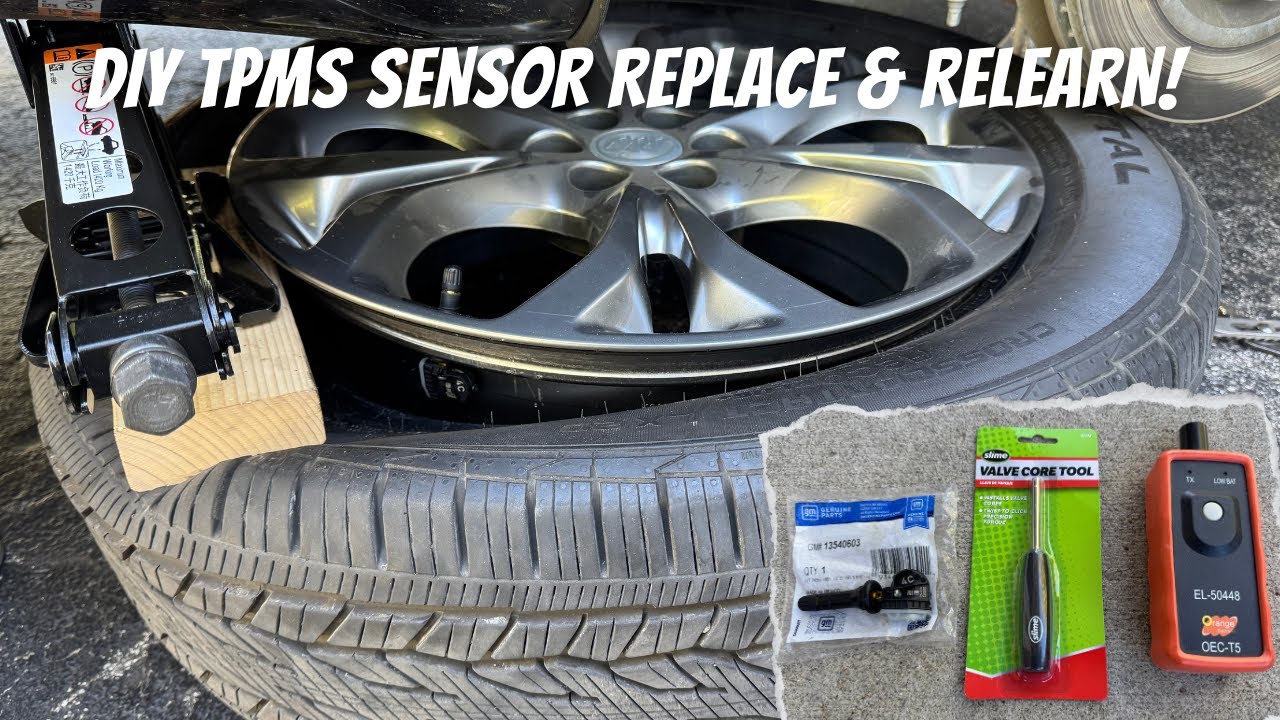
You can activate or relearn some TPMS sensors without a dedicated tool by following the vehicle maker’s reset steps or driving at the required speed for the stated time. This works only on vehicles that support a tool-free method. Other vehicles need a compatible TPMS activation or diagnostic tool.
In the United States, a tire pressure monitoring system, or TPMS, helps drivers spot low tire pressure before a tire becomes unsafe. You may see its warning light after a tire change, a wheel swap, or a new sensor install. If you want to clear that light without buying a tool, first check which reset method your car supports.
The key is to tell sensor activation apart from sensor relearning. Activation wakes or prompts a sensor to send a signal. Relearning teaches the car which sensor IDs belong to its wheels. Some cars do this on their own after a drive, while others need a set sequence or a scan tool. A reset will not fix a dead sensor or an underinflated tire.
This guide explains the safe checks to try at home, how to spot a successful relearn, and when to stop. The steps are general because the exact method varies by make, model, year, and TPMS design. Your owner’s manual is the best source for the sequence that applies to your car.
Yes, you can activate or relearn some TPMS sensors without a dedicated tool. The result depends on the vehicle and the type of tire pressure monitoring system it uses. A car with an automatic relearn feature may recognize its sensors after a short drive under the conditions listed in its manual.
Other cars have a stationary relearn mode. This may involve the ignition, dashboard controls, or a vehicle-specific sequence. Some of these methods still require a TPMS trigger tool to wake each wheel sensor, so a dashboard reset alone may not finish the job.
A tool-free method also cannot make an incompatible or damaged sensor work. If a new sensor has the wrong frequency or protocol, or if a programmable sensor has not been set up for the car, the vehicle may never recognize it. A shop can check the sensor and system if the normal procedure fails.
Source: tiregrades.com
Automatic relearn
The car learns compatible sensor IDs after a drive that meets its stated speed and time conditions.
Stationary relearn
The car enters a learning mode while parked. Depending on the model, a separate activation tool may still be needed.
OBD relearn
A compatible diagnostic tool communicates with the vehicle through its OBD port. This is not a tool-free method.
Indirect TPMS reset
Some cars use wheel-speed data instead of pressure sensors inside the tires. These systems need an initialization or calibration procedure, not activation of four individual wheel sensors.
Know the Difference Between Activation and Relearning
A direct TPMS sensor measures tire pressure and sends information to the car. Each sensor has an ID that helps the vehicle identify its signal. Activation prompts the sensor to transmit, while relearning registers the ID with the vehicle’s TPMS system.
Programming is another step. Some replacement sensors must be programmed to match the car before they are installed or relearned. These jobs are related, but they are not interchangeable. A sensor can be programmed correctly and still need a vehicle relearn.
Activation
Prompts a sensor to transmit a signal when the sensor and activation method support it.
Programming
Sets up a compatible programmable replacement sensor for the vehicle’s required protocol.
Relearning
Registers sensor IDs and wheel positions with the vehicle when required.
Resetting
Clears or initializes a system setting. A reset by itself may not activate or register a new sensor.
What to Check Before You Start
Start with the tires, not the reset button. Park on a level surface, let the tires cool when practical, and check each tire with a reliable pressure gauge. Inflate them to the cold pressure listed on the driver’s door placard, not the maximum pressure printed on the tire sidewall.
Check the spare tire too if your vehicle monitors it. Some vehicles include a spare sensor, while others do not. Do not assume every tire needs the same pressure if the vehicle maker lists different front and rear values.
Next, find the owner’s manual for your exact model year. Look under tire pressure monitoring, TPMS, tire maintenance, or sensor relearn. The steps for one model year may differ from those for another, even when the vehicle name stays the same.
Source: tiregrades.com
Tire pressure gauge
Use it to check actual pressure before you rely on the dashboard display.
Air compressor
Add air if a tire is below the pressure on the door placard.
Owner’s manual
Confirm the correct reset method, driving conditions, and any warning signs.
Vehicle details
Keep the make, model, model year, and sensor type in mind when checking the procedure.
Check the Warning Light Pattern
A TPMS light that stays on may mean one or more tires are low, or that the system has another issue. A light that flashes for a short period after startup and then stays on often points to a TPMS malfunction, though the exact meaning depends on the vehicle.
Read the warning message if your dashboard provides one. If the tire looks flat, the vehicle pulls to one side, or you hear a tire-related noise, stop in a safe place and inspect the tire. Do not continue driving just to complete a relearn cycle.
Light stays on
Check all tire pressures and look for a puncture or slow leak.
Light flashes, then stays on
Check the manual for a system fault. A failed sensor or communication issue may be involved.
No pressure readings
The vehicle may need time to receive sensor data, or a sensor may be missing, incompatible, or faulty.
Method 1: Use the Automatic Relearn Feature
Automatic relearn is often the easiest way to activate or register compatible sensors without a dedicated tool. The car detects the sensors during normal driving and updates its records when the required conditions are met. Not every car supports this method, so confirm it in the owner’s manual first.
A drive does not need to be fast or long unless the manufacturer says so. Some vehicles set a minimum speed and driving time, and some require the car to keep moving without long stops. A single short trip may not be enough.
Do not use a generic speed or time as a rule for every car. One vehicle may relearn after a brief drive, while another may require a longer drive or a different procedure. The model-specific directions take priority.
Source: cdn.shopify.com
Step 1: Check all tires
Set each tire to the cold pressure listed on the driver’s door placard. Check the spare if the vehicle monitors it.
Step 2: Confirm automatic relearn
Read the owner’s manual to make sure your vehicle can learn the sensors while driving.
Step 3: Start the car
Follow any required startup, reset, or initialization steps before driving.
Step 4: Drive as directed
Use a safe route and meet the exact speed and time conditions stated by the manufacturer.
Step 5: Check the system
Park safely and check the dashboard or tire pressure display for updated readings and warning status.
How to Tell Whether Automatic Relearn Worked
The strongest sign is that the vehicle displays plausible tire pressure readings and the TPMS warning clears after the stated procedure. Some cars may show a brief delay before all readings appear. Others provide a message or indicator when learning is complete.
A warning light going out does not prove every tire is at the right pressure. Check the tires with a gauge, especially after a wheel or sensor change. If the warning returns, do not keep repeating the drive without checking for a fault.
Success
The vehicle recognizes the sensors and the dashboard behaves as described in the manual.
Incomplete learning
One or more readings remain unavailable, or the system continues to show a relearn message.
Likely fault
The light returns or flashes, or the vehicle cannot recognize a replacement sensor.
Method 2: Try the Vehicle’s Built-In Reset or Learning Mode
Some vehicles provide a built-in TPMS reset or learning mode that does not require a separate activation device for every step. The controls may be in the dashboard menu, instrument cluster, or a manufacturer-specific sequence. The exact process varies, so use the instructions for your vehicle rather than copying a sequence from another car.
A reset option may apply to an indirect TPMS system, while a learning mode may register sensor IDs on a direct system. The names can sound similar, but the functions are different. If the menu only resets a pressure baseline, it may not register a newly installed direct sensor.
Do not guess at ignition cycles, brake-pedal presses, or headlight switch patterns. These sequences are not universal. A wrong sequence may simply do nothing, and it can create confusion when the system needs a different procedure.
Source: cdn.shopify.com
Step 1: Park safely
Place the vehicle on a level surface and follow the manual’s instructions about the parking brake and gear position.
Step 2: Open the correct menu
Look for tire pressure, TPMS, calibration, or relearn options in the owner’s manual and dashboard menu.
Step 3: Start the specified procedure
Use only the buttons or ignition steps listed for your make, model, and year.
Step 4: Watch for confirmation
Look for the exact message, horn chirp, indicator change, or other confirmation described in the manual.
Step 5: Finish any required drive
Some procedures need a drive after the stationary steps. Complete it only if the manual requires it and the tires are safe.
What If Your Car Has No Reset Button?
A missing reset button does not always mean a tool is required. The car may relearn sensors automatically, use a dashboard menu, or have a procedure that is not obvious at first glance. Search the manual’s index for both TPMS and tire pressure monitoring.
If the manual says a trigger tool or OBD device is required, a built-in reset is not a substitute. Contact a tire shop or dealer and ask whether they can perform the relearn and confirm that each sensor responds.
No menu option
Check the manual for an automatic relearn procedure.
Learning mode starts but stops
Check whether the next step requires a sensor trigger tool.
No confirmation signal
Stop and verify the procedure. Do not assume that the sensor has been registered.
Method 3: Reset an Indirect TPMS System
An indirect TPMS system does not use a separate pressure sensor inside each tire to measure air pressure. Instead, it uses wheel-speed data from the anti-lock braking system to estimate whether a tire may be losing pressure. This means there may be no individual TPMS sensor to activate at the wheel.
After correcting tire pressure, some indirect systems need an initialization or calibration step. The vehicle may offer this through a dashboard menu or a button. Follow the exact instructions in the owner’s manual, since the timing and conditions vary by model.
Do not use an indirect-system reset method on a direct TPMS system unless the manual says to do so. A reset cannot repair an ABS sensor fault, a tire problem, or a direct sensor that is not communicating.
Source: m.media-amazon.com
Correct tire pressure first
Use the cold pressures listed on the vehicle’s door placard.
Find the calibration procedure
Look for TPMS initialization, tire pressure calibration, or reset instructions in the manual.
Complete the required drive
If the manufacturer calls for driving after calibration, use the stated conditions.
Check the result
Confirm that the warning clears and return to a pressure check if the warning comes back.
Direct Versus Indirect TPMS at a Glance
Knowing which system your car uses helps you avoid the wrong repair. A direct system reads pressure from sensors mounted in the wheels. An indirect system estimates pressure changes from wheel-speed behavior and relies on the vehicle’s calibration process.
Direct TPMS
Uses wheel-mounted pressure sensors. A replacement sensor may need programming, activation, or relearning.
Indirect TPMS
Uses wheel-speed data to estimate pressure changes. It may need a reset or calibration after pressure changes.
Why a New TPMS Sensor May Not Activate
A new sensor may fail to appear on the dashboard because it has not been programmed, the vehicle has not learned its ID, or the part does not match the car. A sensor may also have a dead battery, internal damage, or a communication fault. These problems cannot always be fixed by resetting the dashboard.
Before replacing anything, check the sensor’s part number and stated compatibility. Aftermarket sensors may support many vehicles, but the exact make, model, year, frequency, and protocol still matter. Ask the sensor supplier or a qualified tire shop to confirm fitment if the details are unclear.
A sensor’s battery is usually built into the sealed unit. If the battery has failed, replacing the sensor is often the practical repair. Avoid trying to open or modify a sealed sensor at home, especially while the tire remains mounted on the wheel.
Source: live.staticflickr.com
Wrong sensor type
The sensor may not match the vehicle’s required frequency, protocol, or application.
Sensor not programmed
A universal programmable sensor may need setup before the vehicle can recognize it.
Sensor ID not learned
The sensor may be working, but the vehicle has not registered its ID or wheel position.
Dead battery or damaged sensor
The sensor may not transmit a usable signal and may need replacement.
Vehicle system fault
A receiver, wiring, control module, or related fault may prevent normal operation.
Can You Activate a Sensor by Letting Air Out of the Tire?
Some vehicle-specific procedures use controlled pressure changes to help a system identify a sensor. That does not mean you should release air from every tire as a general activation trick. The method is only appropriate when the manufacturer’s procedure clearly calls for it.
Do not drive on an underinflated tire to try to trigger a sensor. Do not remove a valve core or repeatedly bleed air from a tire based on an online sequence for another vehicle. Use a proper pressure gauge and restore the required pressure if any air is released during an approved procedure.
Use only documented steps
Follow the manual or service instructions for your exact vehicle.
Keep pressure within safe limits
Do not deliberately drive with low pressure to force a sensor response.
Seek help when uncertain
A tire shop can perform the sensor check without relying on guesswork.
Troubleshooting a TPMS Light That Will Not Turn Off
If the warning remains after the correct procedure, go back to the basics before repeating the reset. Check every tire with a gauge, verify the correct pressure, and confirm that you followed the right relearn method. A warning that persists after these checks may point to a sensor or vehicle-system fault.
The table below links common symptoms with sensible next checks. It is a troubleshooting guide, not a diagnosis. Several faults can produce the same warning, so use the owner’s manual and professional testing when the cause is unclear.
Source: i.ytimg.com
Pressure is correct but the light stays on
Allow the system the stated time to update. If the light remains, check the required relearn steps and sensor compatibility.
One tire has no pressure reading
Check whether the vehicle is still learning the sensor. If not, have that sensor tested.
The light flashes and then stays on
Consult the manual for a TPMS fault indication and arrange a system check.
The light clears but returns later
Check for a slow leak, a weak sensor battery, or a sensor communication issue.
The warning starts after a tire rotation
The vehicle may need to relearn wheel positions or sensor IDs, depending on its design.
A Safe Troubleshooting Order
Start with tire pressure because it is easy to check and has a direct safety impact. Next, verify the exact vehicle-specific relearn procedure and allow the required time for the system to update. Only then move on to sensor compatibility, sensor condition, and diagnostic checks.
If the tire is visibly damaged, loses air quickly, or feels unstable, stop driving and seek roadside assistance or tire service. Do not keep driving just to see whether the TPMS light will reset.
First
Check the pressure of all tires with a gauge.
Second
Confirm the procedure in the owner’s manual.
Third
Check the sensor part number and compatibility if a sensor was replaced.
Fourth
Arrange a TPMS scan if the warning remains or the system reports a fault.
When You Need a TPMS Tool or a Tire Shop
A TPMS tool may be necessary when the vehicle requires a sensor trigger, a stationary relearn that depends on an activation signal, or an OBD-based procedure. A diagnostic tool can also help determine whether a sensor is transmitting and whether the vehicle has stored a fault code.
You do not always need to buy the tool yourself. A tire shop or dealership may be able to activate the sensors, register their IDs, check compatibility, and inspect the warning system. Ask what the service includes so you know whether the shop will test the sensors as well as clear the light.
Professional service is also the sensible choice when the sensor sits inside a mounted tire and must be replaced. Removing the tire from the wheel requires proper equipment and care. Incorrect handling can damage the sensor, valve, tire bead, or wheel.
Source: i.ytimg.com
Use a shop when a tool is required
Ask for a sensor activation and relearn for your exact vehicle.
Request a sensor test
A scan can help distinguish a dead sensor from a sensor that has not been registered.
Confirm replacement compatibility
Check that the replacement matches the vehicle and supports the required programming method.
Do not ignore a persistent fault
A TPMS warning that remains after proper checks needs diagnosis rather than repeated resets.
What to Tell the Technician
Give the shop the vehicle’s make, model, model year, and details about the recent work. Tell them whether you replaced a sensor, changed wheels, rotated tires, or simply noticed a warning. These details can narrow the likely cause.
Ask whether the sensor needs programming, whether the car supports automatic relearn, and whether a diagnostic scan found a fault. These questions help you understand whether the repair involves the sensor, the vehicle’s learning process, or a different system problem.
Vehicle details
Provide the make, model, year, and trim if known.
Recent service
Mention tire changes, wheel swaps, sensor replacement, or battery-related work.
Warning behavior
Explain whether the light stays on, flashes, or returns after driving.
Common Mistakes to Avoid
The most common mistake is treating every TPMS warning as a reset problem. Low pressure, a puncture, a dead sensor battery, and a sensor ID issue can all lead to warnings, but they need different fixes. Start with pressure and the manual before trying anything else.
Another mistake is assuming that every new sensor will work as soon as it is installed. Replacement sensors must match the vehicle, and some require programming or a relearn. A dashboard reset cannot make an incompatible sensor communicate correctly.
Do not copy a relearn sequence from a different model year. Even vehicles from the same maker may use different procedures. Follow the right instructions and stop if the car does not provide the expected confirmation.
Source: cdn.shopify.com
Do not guess the procedure
Use the owner’s manual or confirmed service instructions for your exact vehicle.
Do not trust the warning light alone
Check actual tire pressure with a gauge, even if the light turns off.
Do not keep bleeding air
Only use a pressure-change method when the manufacturer specifically directs it.
Do not drive on an unsafe tire
Stop if a tire looks damaged, loses air quickly, or affects vehicle control.
Do not replace parts without checking compatibility
Confirm the sensor application and test for faults before buying another sensor.
Why a Successful Reset Is Not the End of Tire Care
TPMS is an alert system, not a replacement for routine tire checks. It may not warn you immediately after pressure begins to fall, and it cannot tell you about every tire defect. A nail, sidewall cut, or slow leak can still require attention even when the dashboard shows no warning.
Check pressure on a regular schedule and before long trips, using the cold values listed on the door placard. If a tire keeps losing air, have it inspected rather than topping it up again and again.
Check pressure regularly
Use a gauge when the tires are cold for a more useful reading.
Inspect for damage
Look for cuts, bulges, embedded objects, and signs of a slow leak.
Act on repeat warnings
Have recurring pressure loss or sensor faults checked promptly.
Frequently Asked Questions
Q
Can I activate a new TPMS sensor without a tool?
Sometimes. A vehicle with automatic relearn may recognize a compatible sensor after a drive under the conditions in its manual. Other vehicles need a built-in learning sequence, a dedicated trigger tool, or an OBD diagnostic tool. Check the procedure for your exact make, model, and year.
Q
How long does it take for a TPMS sensor to activate?
The time depends on the vehicle and the relearn method. Some systems update after a short drive, while others need a longer drive or a separate learning process. Follow the manufacturer’s stated speed, time, and startup conditions rather than relying on a universal estimate.
Q
Will driving reset the TPMS light?
Driving may complete an automatic relearn on vehicles that support it. It will not fix every TPMS issue, and it should not be used as a substitute for checking tire pressure. If the light flashes, stays on after the correct procedure, or returns repeatedly, check for a fault.
Q
Can I use a magnet to activate a TPMS sensor?
Do not assume a magnet will activate a TPMS sensor. Most vehicle TPMS sensors communicate wirelessly, and the required trigger method depends on the sensor and vehicle. Use only a method confirmed by the sensor maker or vehicle manufacturer.
Q
Why is my TPMS light still on after I reset it?
The tire pressure may still be low, the system may not have completed its relearn, or a sensor may be incompatible, damaged, or out of battery power. A vehicle-system fault is also possible. Check all tire pressures, confirm the correct procedure, and arrange a TPMS scan if the warning remains.
Q
Do I need to activate TPMS sensors after rotating tires?
It depends on the vehicle. Some systems learn sensor positions automatically, while others need a relearn after a rotation. Follow the owner’s manual to confirm whether your vehicle needs a reset or a sensor registration step.
Q
Can I reset TPMS by disconnecting the car battery?
Disconnecting the battery is not a reliable universal way to activate or relearn TPMS sensors. It may not register new sensor IDs and can affect other vehicle settings. Use the manufacturer’s reset method instead.
✦ Wrapping Up
Conclusion
You may be able to activate or relearn a TPMS sensor without a tool if your vehicle supports automatic relearn or a built-in learning procedure. Start by checking every tire’s pressure, then confirm the correct steps in the owner’s manual. Follow the required conditions and look for the expected sign that learning is complete.
If the sensor still does not appear, the problem may involve programming, compatibility, a dead battery, or a fault in the vehicle’s TPMS system. Repeating random reset steps will not solve every cause. A tire shop can test the sensors and carry out the required relearn when a tool is needed.
Keep in mind that the dashboard light is only one part of tire safety. Check pressure with a gauge and inspect the tires even after the warning clears. If a tire is damaged or loses air quickly, stop driving and get help.
💡 Key Takeaway
Check your cold tire pressures, find the TPMS relearn instructions for your exact vehicle, and try only the approved tool-free method. If the warning remains or flashes, arrange a sensor and system check instead of guessing.