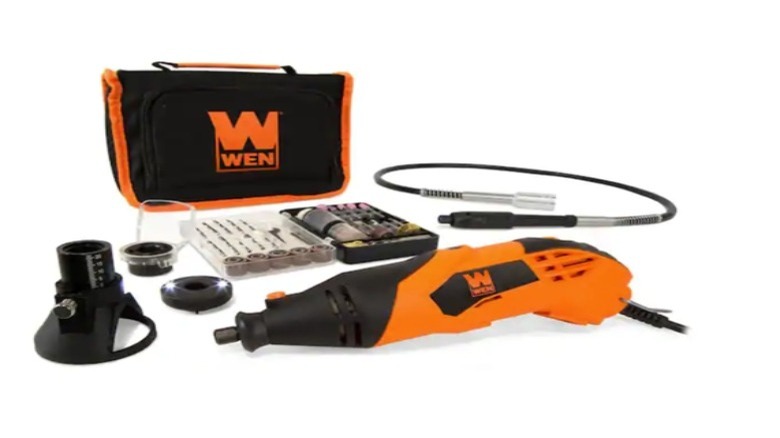
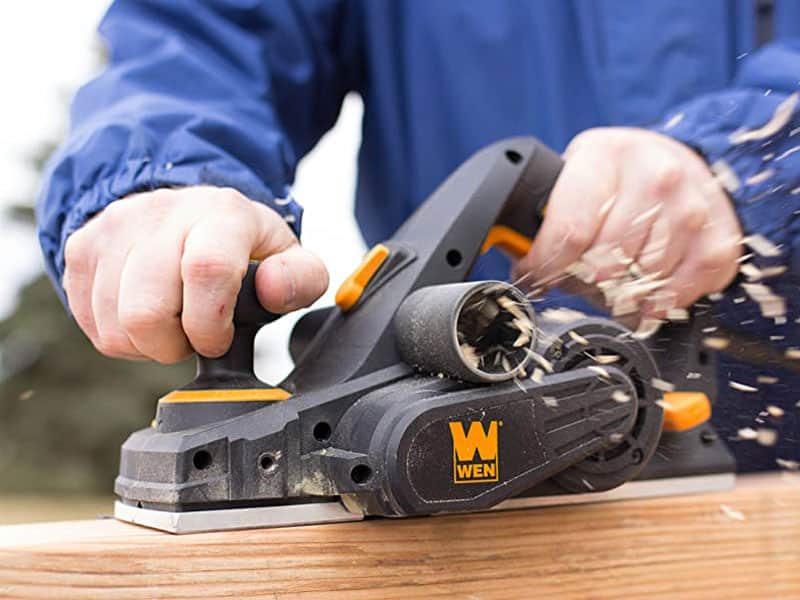
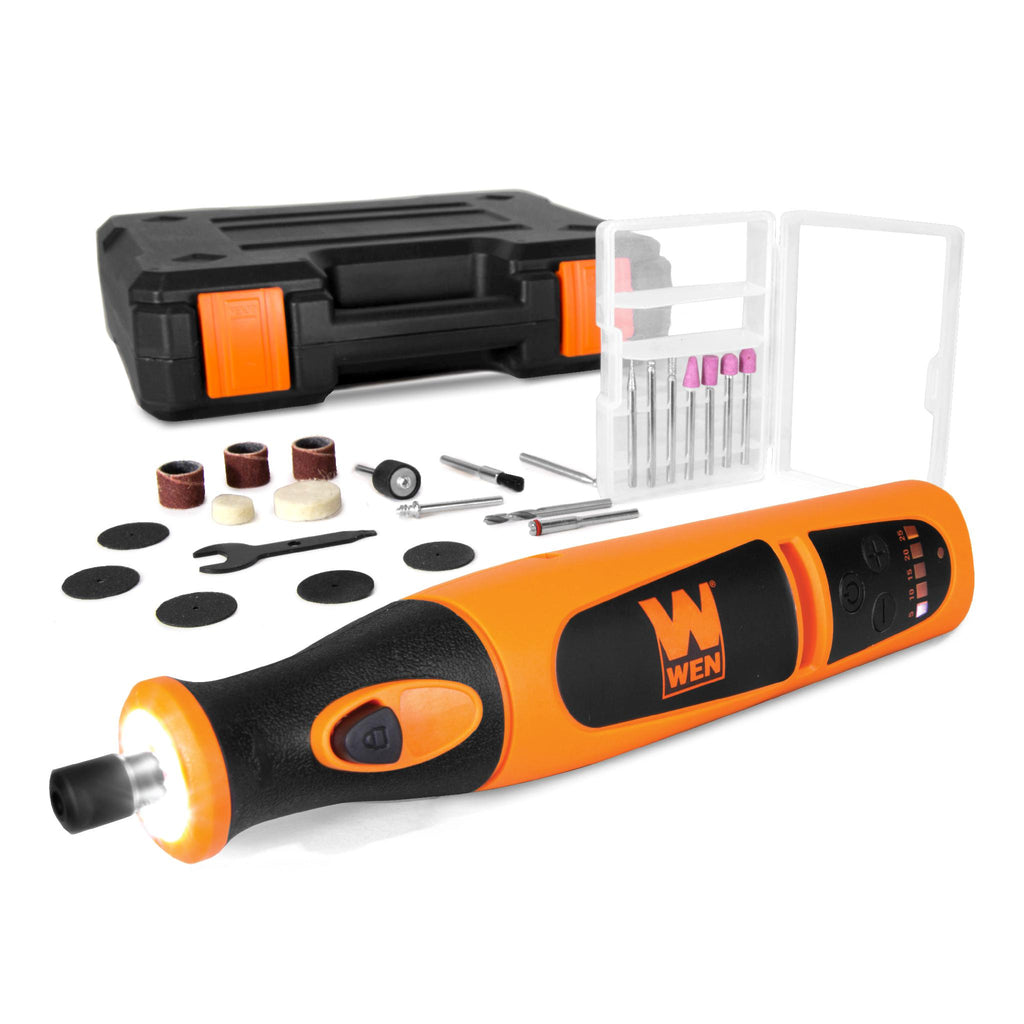
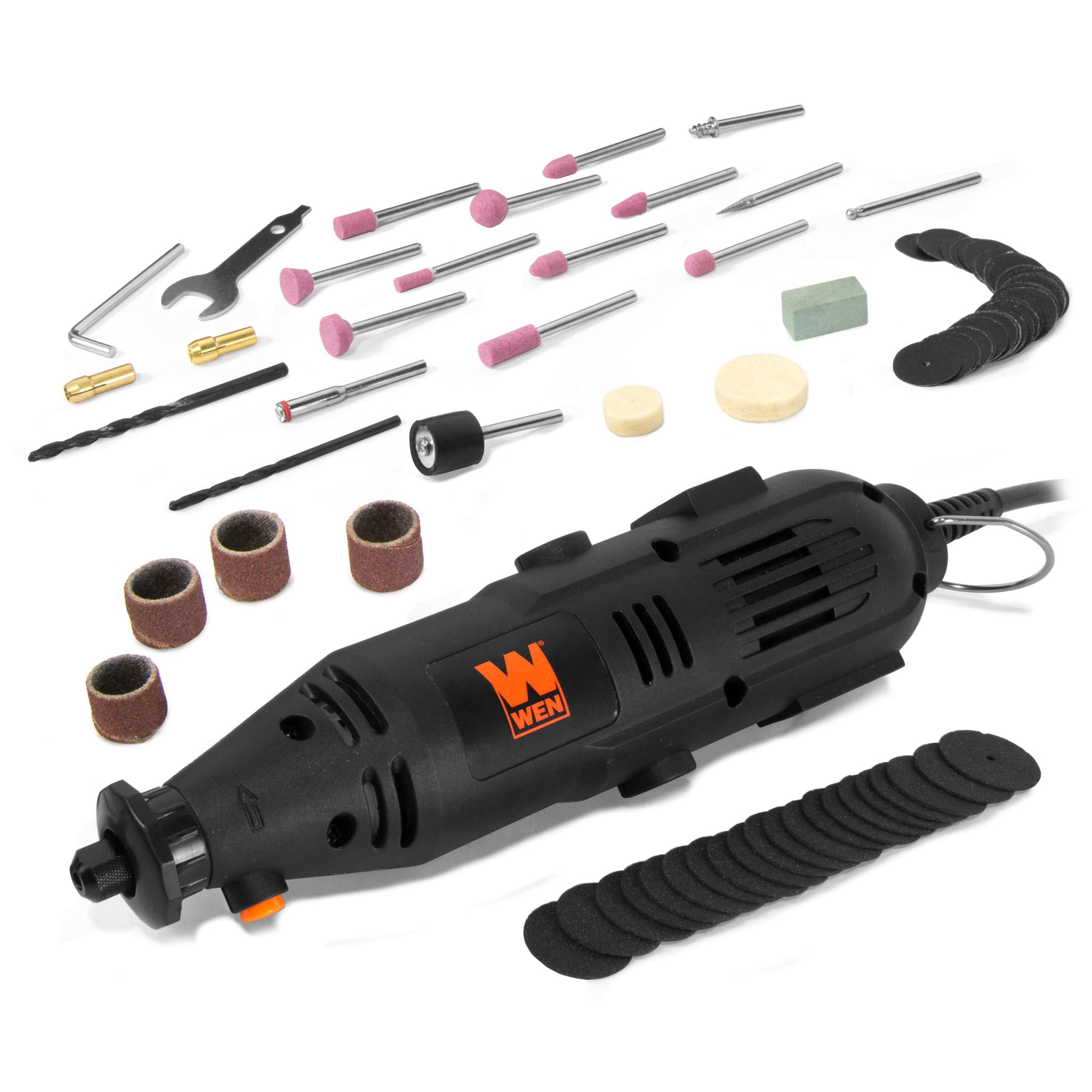
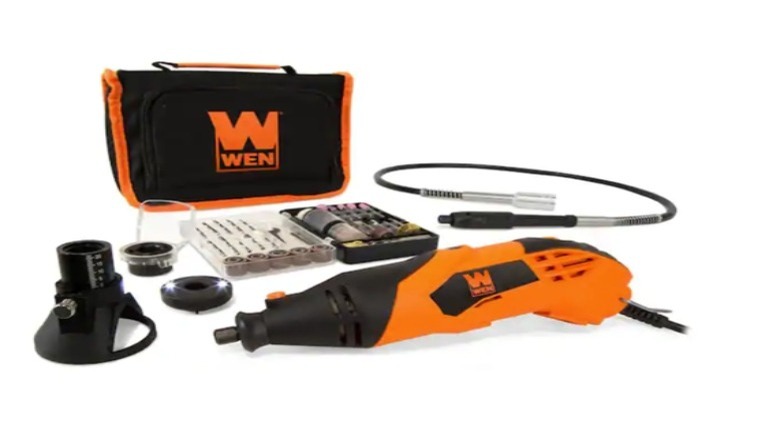
WEN tools are often cheap because the brand focuses on affordable designs, practical features, and value for home users rather than premium features and a large professional tool ecosystem. Their low prices do not automatically mean poor quality, but the value depends on the tool, the job, and how often you use it.
In the United States, shoppers can find WEN drills, sanders, planers, generators, and other workshop tools at prices that may be lower than those of well-known professional brands. That price gap can make a new drill press or wood planer feel much easier to fit into a home workshop budget. Still, a low price raises a fair question: what does the buyer give up to save money?
WEN is a long-running American tool brand based in Illinois. Its product range covers both small DIY tools and larger workshop equipment. The company says its products are made in several countries, including the United States, Germany, Taiwan, China, Thailand, and Vietnam. Manufacturing location alone does not tell you how well a tool will work or how long it will last.
The best way to judge WEN is to look at its design, features, expected workload, repair options, and warranty terms. A low-cost tool may make sense for weekend repairs and hobby projects. A tool used every day on a paid job may need stronger performance, easier service, or a wider range of compatible tools. The goal is to find out whether the lower price fits your actual needs.
WEN tools are often inexpensive because the brand aims to offer useful tools at accessible prices. Buyers can get the basic function they need without paying for every feature, finish, or brand benefit found in higher-priced product lines. That approach works well for people who do not need a tool to handle a full workday every day.
There is no single confirmed reason behind the price of every WEN model. The company does not publish a complete cost breakdown for each tool. Factors such as product design, factory costs, shipping, retailer pricing, and feature choices can all affect the final price. It would be misleading to claim that one hidden manufacturing trick explains the entire price gap.
A fair comparison starts with the tool’s intended use. A small corded rotary tool and a heavy-duty cordless drill serve different needs. Their prices also reflect different motors, batteries, controls, accessories, and other parts. Compare tools that perform the same job before deciding which brand offers better value.
Source: walmart.com
A focus on everyday tasks
Many WEN models target home repairs, woodworking, and hobby use. Buyers may not need the advanced features built into premium professional tools.
Practical feature sets
A basic model may leave out extra controls, premium materials, or advanced electronic systems. Fewer features can reduce cost when those features are not needed.
Different product and sales costs
Factory costs, shipping, retail arrangements, and sales prices affect what customers pay. Exact savings vary by product, and WEN does not publish a full cost breakdown.
Does a low price mean lower quality?
Not by itself. Price is only one clue about quality. A simple tool can work well for its intended job, while an expensive tool can still have limits. Build quality, fit, power, accuracy, heat control, and service support matter more than the price tag alone.
A low-cost tool may use a simpler design or offer fewer comfort features. Those limits may not matter when you drill a few holes in a shelf or shape wood for a hobby project. They may matter much more when you need the same tool to run for hours each day.
Look at the actual work
Check the materials, workload, and accuracy your project needs. A tool should meet those needs without being pushed beyond its stated limits.
Check the model, not just the brand
WEN sells many types of tools. One model’s performance does not prove that every other model has the same build or reliability.
How WEN’s Manufacturing Choices Affect Prices
WEN products are made in more than one country, according to the company’s product FAQs. Its listed manufacturing locations include the United States, Germany, Taiwan, China, Thailand, and Vietnam. The country of manufacture can vary by product, so a blanket claim that all WEN tools are made in China would be incorrect.
Manufacturing in different regions can affect labor costs, supplier access, transport, and production methods. Yet country of origin does not settle the quality question. A factory’s processes, material choices, design requirements, and quality checks also affect the final product. The label alone cannot show whether a tool will last.
WEN does not publicly provide a detailed factory-by-factory cost report for its whole range. That means buyers cannot confirm the exact share of a tool’s price linked to labor, parts, or assembly. It is safer to treat lower production costs as one possible factor rather than a proven explanation for every model.
Source: rehabitathome.com
Manufacturing can vary
Check the product label, packaging, manual, or current manufacturer information for the exact tool you plan to buy.
Quality control still matters
Accurate parts, sound wiring, secure guards, and reliable switches matter regardless of where a tool is assembled.
Do not judge by origin alone
Compare the tool’s specifications, warranty, service options, and reliable reports about the exact model.
Are WEN tools made in the USA?
Some WEN products may be made in the United States, but the brand’s own guidance lists several countries of manufacture. Buyers should not assume that a WEN tool is American-made just because the company is based in Illinois. Check the specific product’s origin before relying on a country-of-origin claim.
This distinction matters when a buyer wants to support domestic manufacturing or needs a tool that meets a particular purchasing rule. The brand’s headquarters, design team, and factory location are separate facts. One does not automatically establish the others.
Before you buy
Read the exact product listing and packaging. Contact WEN if the origin is unclear or matters to your purchase.
WEN Often Keeps the Feature Set Simple
One way to keep a tool affordable is to focus on the features most buyers need. A basic corded tool may provide a motor, a speed control, and the parts required for its main task. It may not include the advanced electronics, premium grip materials, or specialized controls found on some higher-priced models.
That trade-off is not always a problem. A home user who sands a table twice a year may not need the same level of comfort and long-run performance as a cabinet shop. A woodworker who spends several hours sanding every day has different needs. The same budget tool can be a sensible purchase for one buyer and a poor fit for another.
Simple does not mean that a tool can skip key safety parts. Guards, sound electrical parts, stable bases, and clear instructions remain important. Never accept a missing safety feature as a fair trade for a low price.
Source: wenproducts.com
Fewer extras
Some models may include fewer advanced controls or comfort features. Check the exact product list rather than assuming every WEN tool follows one design.
A focus on core tasks
A tool built for basic drilling, sanding, or shaping may be enough for a home project without the added cost of features you will not use.
Features should match the job
Pay for better speed control, dust collection, accuracy, or comfort when those features solve a real problem in your work.
Why corded tools can be a good value
Corded tools avoid the need to buy a battery and charger for every separate tool. They can also provide steady power while connected to a suitable outlet. For a fixed workshop bench, this can make a corded tool a practical way to save money.
The cord is also a limit. You need a safe power source and enough room to move without pulling the cord into a blade or cutting path. Use a properly rated outlet and follow the manual’s rules for extension cords, grounding, and wet or dusty areas.
Good fit
A corded drill press, sander, or rotary tool may suit a fixed home workshop where an outlet is close by.
Possible drawback
A cord can limit movement and may be awkward on a roof, at a job site, or in a large yard.
Does WEN Spend Less on Brand Marketing?
Brand recognition can affect what shoppers are willing to pay. Large professional tool brands may sell not only a tool but also a broad battery platform, a long record of job-site use, dealer support, and a large range of matching products. Those benefits can influence price and customer loyalty.
WEN is often positioned as a value-focused choice for people who want a tool for a specific task. That position can attract buyers who care more about the work than about owning a full set of tools from one premium brand. Still, it would be speculation to claim that WEN spends a precise amount less on advertising or research without company financial data.
A familiar logo does not guarantee that a tool is right for you. At the same time, a lower price does not prove that the maker has the same resources, service network, or product range as a larger rival. The useful question is whether those differences matter for your work.
Source: www.youtube.com, 731 Woodworks
Brand reputation
A strong reputation can help a premium tool hold its price. That reputation may be valuable to tradespeople who rely on the same tools each day.
A smaller tool collection
If you need only one or two tools, a wide battery range may not be worth the extra cost.
Avoid assumptions about spending
Without public figures for a specific cost category, treat claims about WEN’s marketing or research budget as unconfirmed.
Can a budget brand still offer useful support?
Yes. WEN provides customer support, product manuals, warranty information, and routes for requesting replacement parts. The presence of those services is useful, but it does not guarantee that every part will be in stock or that every repair will be quick.
Before buying a tool for an important job, check whether its manual is available and whether the maker can supply the parts most likely to wear out. A low price becomes less attractive if a small broken part leaves the whole machine unusable for weeks.
Check parts access
Look for replacement blades, belts, brushes, switches, or other model-specific parts where applicable.
Check support before purchase
Review the current support terms and ask about repair options if downtime would cause a problem.
Are WEN Tools Good Enough for Homeowners?
WEN tools can be a reasonable fit for homeowners who need a tool for repairs, small woodworking jobs, and occasional projects. The best choice depends on the model and the task. A tool that handles a few cuts each month has a very different workload from one that runs for hours on a paid job.
A homeowner may care most about purchase price, ease of use, and whether the tool can handle the next project. A professional may care more about speed, service, comfort, repeat accuracy, and the cost of lost work if a tool fails. Neither buyer has the same definition of value.
WEN’s range includes different kinds of equipment, so it is better to assess each model than to label the whole brand good or bad. Read the manual and check the stated capacity, power rating, speed range, included parts, and limits. Those details are more useful than a general claim about the brand.
Source: walmart.com
Home repairs
A suitable WEN drill or rotary tool may meet the needs of light repairs and small household projects.
Hobby woodworking
A bench tool may offer useful capacity for a home shop when its size, accuracy, and power meet the work you plan to do.
Frequent paid work
Compare durability evidence, service support, comfort, and downtime costs before choosing a low-cost tool for daily use.
When a WEN tool may be the wrong choice
A budget tool may be a poor fit when your work demands long run times, tight tolerances, or quick repairs. If you need a machine to run through a full shift, small differences in heat control, vibration, or service access can have a real effect on the workday.
Do not push a tool past its stated duty or capacity to save money. A tool that overheats, binds, or struggles with the material may slow the job and increase risk. Choose a model rated for the work, or look at a more suitable class of equipment.
Repeated heavy workloads
Choose equipment that is rated for the hours and materials involved. Do not assume a home-use model can handle continuous commercial work.
High accuracy needs
Check repeatability, alignment, adjustment controls, and available measurements when small errors could ruin a project.
Critical downtime
Consider a brand or model with service options that fit your schedule if a tool failure would stop paid work.
WEN vs. DeWalt, Milwaukee, and Other Tool Brands
WEN and premium tool brands often serve different buyer needs, though their product ranges can overlap. WEN may appeal to someone who wants an affordable tool for a particular job. DeWalt and Milwaukee offer broad ranges aimed at many kinds of users, including tradespeople who need a set of compatible cordless tools.
A fair comparison must use tools with similar functions and capacities. Compare motor power, speed, torque where relevant, battery voltage and capacity, weight, included accessories, warranty terms, and the price of any extra parts. A cheap corded tool should not be compared with a cordless kit that includes a battery and charger without accounting for the difference.
There is no sound basis for saying one brand wins every category. One model may offer more power for the money, while another may be easier to service or more comfortable to use. The right choice comes from matching the tool to the job and checking evidence for the exact models.
Source: walmart.com
WEN
Consider it when purchase price and basic task performance matter most, especially for occasional home use.
DeWalt
Compare its specific model when you need a tool within a broader range of cordless equipment or job-site tools.
Milwaukee
Compare the exact model and compatible platform if you rely on a cordless system for frequent work.
Ryobi and other value brands
Include these brands when comparing entry-level tools, battery systems, included accessories, and current prices.
A simple example of total cost
Imagine a homeowner comparing two tools for the same job. Tool A costs $60, while Tool B costs $120. If both meet the job’s needs and last for the same length of time, Tool A saves $60 at purchase. This is a hypothetical example, not a statement about current prices or the lifespan of any WEN model.
Now assume Tool A needs a $25 repair sooner and causes $40 in extra costs from lost time. Its total cost becomes $125, while Tool B remains at $120. The cheaper tool is no longer the cheaper option in this example. Real results depend on repair needs, use, and how long each tool lasts.
Purchase price
Start with the cost of the tool and any required battery, charger, stand, or accessory.
Repair and upkeep
Include likely wear parts, replacement accessories, and any service charges that apply.
Time and replacement
Consider lost work time and the cost of replacing the tool if it cannot be repaired.
How to Check Whether a Cheap WEN Tool Is Worth Buying
The best way to judge a WEN tool is to check the model before you pay. Start with the task you need it to do, then compare the product specifications and ownership costs. This simple process can help you avoid buying a tool that is cheap but poorly matched to your needs.
Product pages and manuals are useful starting points. Look for rated power, capacity, speed, included accessories, operating limits, and maintenance needs. Customer reviews can help identify recurring issues, but a single review does not prove that every unit has the same fault.
Source: www.slashgear.com
1. Define the task
Write down the material, workload, accuracy, and run time you need. This helps you rule out tools that cannot meet the job’s demands.
2. Read the manual
Check the model’s stated capacity, safe operating limits, maintenance schedule, and required accessories before buying.
3. Compare matching models
Use similar tool types and capacities. Compare the parts included in the box and the cost of any missing items.
4. Review support and parts
Find the current warranty, contact details, and replacement-part options for the exact model.
5. Check reliable user feedback
Look for repeated, detailed reports about the same issue. Give more weight to reviews that explain the workload and model number.
6. Add up the full cost
Include accessories, consumables, repairs, and replacement costs. A low shelf price is only one part of the decision.
What signs should you look for after purchase?
Read the instructions before switching on a new tool. Check that guards, handles, fasteners, and power cords are in good condition. Make sure the tool is assembled as directed and that the work area is suitable for its use.
During a first run, follow the manual’s setup and test steps. Stop if you notice unusual smoke, a burning smell, severe vibration, damaged wiring, or a switch that does not work as intended. Unplug a corded tool or remove its battery before inspecting it, where the design allows safe removal.
Do not keep using a tool that appears faulty just because it was inexpensive. Contact the seller or manufacturer for guidance. Keep your receipt, model number, and serial number in case you need support or a warranty claim.
Normal operation
The tool should operate within the behavior and limits described in its manual, without signs of damage or abnormal heat.
Safe setup
All required guards and attachments should be fitted correctly before use.
Clear records
Save your purchase proof and record the model and serial numbers in case service is needed.
What to Know About the WEN Warranty
WEN’s warranty terms matter because a low purchase price is less useful if a defect leaves you with an expensive repair. The company publishes a limited warranty for consumer power tools used for personal purposes. Coverage periods depend on the product and the terms that apply to it, so check the exact model’s documentation rather than assuming every WEN tool has the same warranty.
WEN’s published warranty statement says consumer power tools used for commercial or professional purposes receive 90 days of coverage under that statement. The document also sets out exclusions for issues such as misuse, neglect, normal wear, improper maintenance, and unauthorized repairs. These terms make the intended use of the tool a key part of the buying decision.
The published statement calls for proof of purchase and information such as the shipping address, serial number, and required part numbers when arranging a claim. It also warns that replacement parts may face sourcing delays. Review the latest terms before you buy, since the applicable warranty and any product-specific limits must be checked for the exact item.
Source: ourhometools.com
Save proof of purchase
Keep the receipt or order record with the purchase date and seller details.
Read the product warranty
Check the period, covered defects, exclusions, and the rules for personal or commercial use.
Ask about parts
If a repair would be costly or time-sensitive, check parts access and service options before buying.
Does a warranty guarantee a long tool life?
No. A warranty sets out the maker’s obligations under defined conditions. It is not a promise that every tool will last for a certain number of years or hours. Normal wear parts, misuse, and other exclusions may affect whether a repair is covered.
A longer warranty can be useful, but it should not replace a check of the tool’s design and suitability. A machine that is wrong for your workload may still be a poor buy even if its warranty looks attractive.
Check exclusions
Look for limits on batteries, blades, belts, brushes, and other wear parts where applicable.
Confirm the service route
Use the current official support channels to learn how to request a repair or replacement part.
Common Mistakes Buyers Make With Cheap Tools
The biggest mistake is judging a tool by its price alone. A cheap tool may be suitable for one task and unsuitable for another. The model’s rated capacity, duty, and maintenance needs should guide the choice.
Another mistake is treating online reviews as a complete test report. Reviews can point to common complaints, but they may involve different model years, workloads, or user skill levels. Look for consistent details and check whether the reviewer used the tool for the same kind of work you plan to do.
Buyers can also overlook the cost of accessories. A low-priced tool may need a stand, compatible blade, battery, charger, or dust collection setup that raises the final bill. Compare the complete setup, not just the price of the bare tool.
Source: walmart.com
Assuming every model is alike
Check each tool’s specifications and service terms. Brand-wide claims rarely explain every model’s strengths and limits.
Ignoring intended use
Do not use a home tool beyond its stated limits just because the purchase price was low.
Skipping safety checks
A low price never makes damaged cords, missing guards, loose parts, or unsafe operation acceptable.
Forgetting future costs
Include parts, consumables, repairs, and the time needed to keep the tool working.
How to avoid a poor purchase
Set a clear budget and write down the features you truly need. Compare at least a few matching models and read their manuals before choosing. If the work is demanding or safety-critical, ask a qualified tool supplier or service professional to help assess the equipment.
A tool that saves money and does the job safely is a good value. A tool that cannot meet the task’s demands is not a bargain, even if it costs much less than the alternatives.
Choose by workload
Match power, capacity, run time, and accuracy to the actual job.
Check the complete package
Confirm which accessories, batteries, chargers, guards, and manuals are included.
Know when to spend more
Pay more when better service, comfort, precision, or dependable daily use would make a real difference.
Frequently Asked Questions
Q
Are WEN tools cheap because they are made in China?
That is not a complete or accurate explanation. WEN states that its products are made in several countries, including China, the United States, Germany, Taiwan, Thailand, and Vietnam. The manufacturing location varies, and the company does not publish a full cost breakdown showing how much each location affects retail prices.
Q
Are WEN tools good for beginners?
They can be a useful option for beginners who need an affordable tool for suitable home or hobby projects. Check the manual, safety features, power rating, and capacity before buying. A beginner should choose a tool that fits the task rather than buying the cheapest model available.
Q
Do WEN tools last as long as DeWalt or Milwaukee tools?
There is no single answer for every tool. Lifespan depends on the exact model, build, maintenance, workload, and conditions of use. Compare equivalent models and look for credible evidence about their performance and repair needs instead of assuming that one brand always lasts longer.
Q
Can professionals use WEN tools?
Some professionals may find certain WEN tools suitable for limited tasks or occasional use. However, WEN’s published consumer warranty statement specifies 90 days of coverage for consumer power tools used commercially or professionally. Check the exact product terms and make sure the tool can handle the workload before using it for paid work.
Q
Does WEN offer replacement parts and customer support?
Yes. WEN provides customer support and a process for requesting replacement parts and warranty service. Part availability can vary, and the company warns that supply issues may delay some replacements. Keep your model number, serial number, and proof of purchase to help with a support request.
Q
Are WEN tools worth buying for a home workshop?
They may be worth buying when the tool meets your project’s needs and the lower price outweighs any limits in features or service. Compare capacity, accuracy, included accessories, warranty terms, and repair options. A well-matched budget tool can offer good value, but a low price cannot make an unsuitable tool the right choice.
✦ Wrapping Up
Conclusion
WEN tools are often cheap because the brand focuses on affordable equipment with practical features. Product design, manufacturing arrangements, sales costs, and the level of features offered can all affect the price. The exact reasons and savings vary by model, and the company does not publish enough cost data to assign a precise share to each factor.
A low price does not automatically mean poor quality. WEN may suit homeowners, DIY users, and hobby woodworkers who need a tool for occasional tasks. People who depend on a tool for daily paid work should pay closer attention to workload ratings, comfort, service access, repair time, and warranty limits.
The smartest purchase is not always the cheapest one. Compare tools that do the same job, check the manual and support terms, and count the cost of accessories and repairs. That gives you a clearer picture of what your money buys.
💡 Key Takeaway
Before buying a WEN tool, write down the job you need it to do, check the exact model’s specifications and warranty, and compare its full ownership cost with two similar tools. Buy it when it meets your needs safely and the savings are worth the trade-offs.