Leatherman tools are made in Portland, Oregon, USA. The company designs and manufactures its multitools at its Oregon facility, although it describes its products as made in America using US and global parts.
For shoppers in the United States, the answer to where Leatherman tools are made is Portland, Oregon. Leatherman Tool Group has built its multitools there since the company began in 1983. Its factory handles key stages of production, including making parts, finishing components, and assembling tools.
There is one detail worth knowing before you buy. Made in America does not always mean every part comes from an American supplier. Leatherman’s official website uses the wording Made in America (USA and global parts). This means the company makes its tools in Oregon while acknowledging that its supply chain includes parts from outside the United States.
That distinction matters if you want an American-made multitool, prefer to support US manufacturing jobs, or simply want to know where your gear comes from. This guide explains what the company confirms, what its manufacturing location tells you, and how to check a specific tool before buying.
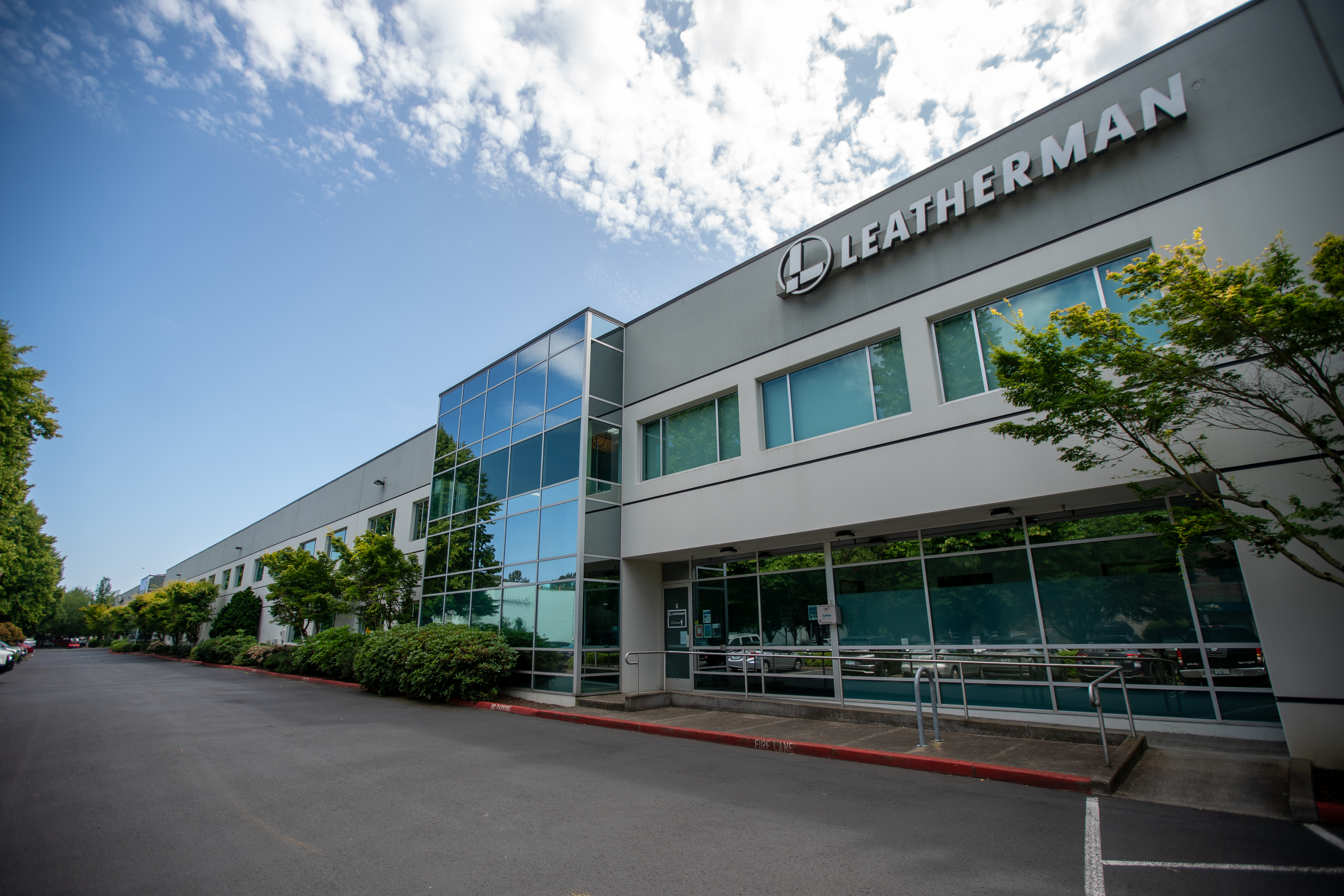
Leatherman tools are manufactured in Portland, Oregon, in the Pacific Northwest region of the United States. The company identifies Portland as its manufacturing home and says it has built tools there since 1983. This is the central fact to know when checking the origin of a Leatherman multitool.
The company operates under the name Leatherman Tool Group, Inc. Its headquarters and manufacturing operations are based in Portland. The business develops multitools, pocket tools, and knives for customers who need compact gear for repairs, outdoor trips, work, and daily tasks.
Leatherman’s official company story describes a production process that brings design and manufacturing together in Oregon. The company also says its tools go through many production processes before they are ready for sale. This helps explain why the location matters beyond the address printed on a package.
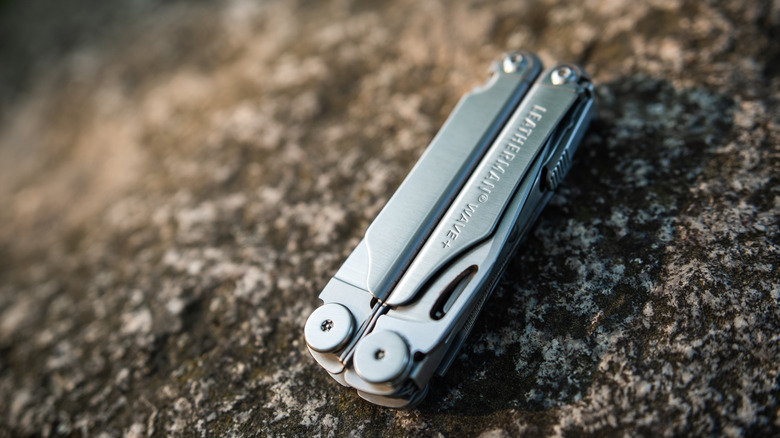
Source: www.oregonlive.com
Manufacturing city
Portland, Oregon, USA, is the company’s stated manufacturing location.
Company
Leatherman Tool Group, Inc. designs and manufactures multitools, pocket tools, and knives.
Established
The company was founded in 1983 and has continued manufacturing tools in Portland.
Parts origin
The company acknowledges the use of US and global parts, so the origin of every individual component should not be assumed.
Is Leatherman an American Company?
Yes. Leatherman is an American company founded in Oregon by Tim Leatherman and his business partner, Steve Berliner. The company launched its first commercial multitool in 1983 and developed its business around compact tools with pliers and other useful functions.
Its American identity is tied to more than its founding story. Leatherman continues to identify Portland as its manufacturing base and highlights its US production workforce. Still, a company’s nationality and a product’s country of origin are two different questions. An American company can use materials or components sourced from other countries.
Company origin
Leatherman began in Oregon in 1983.
Manufacturing origin
The company identifies Portland as the place where its tools are built.
Supply chain
Some parts may come from global suppliers, according to the company’s current Made in America wording.
Does Leatherman Make All Its Tools in the USA?
Leatherman states that it builds and manufactures its tools in Portland, Oregon. Its website also says Made in America (USA and global parts). These two statements give a clearer picture than the broad claim that every part is made in the United States.
The main manufacturing location is American, but the company does not promise on its general website that every material and component in every product comes from a US source. Steel, small hardware, specialist components, packaging, and accessories may have different supply arrangements. The exact details can vary by product and production run.
For most buyers, the key point is simple. A Leatherman multitool is manufactured in the United States, but the phrase American-made should not be read as proof that every input in the supply chain is domestic. If that distinction affects your purchase, seek model-specific information from Leatherman.
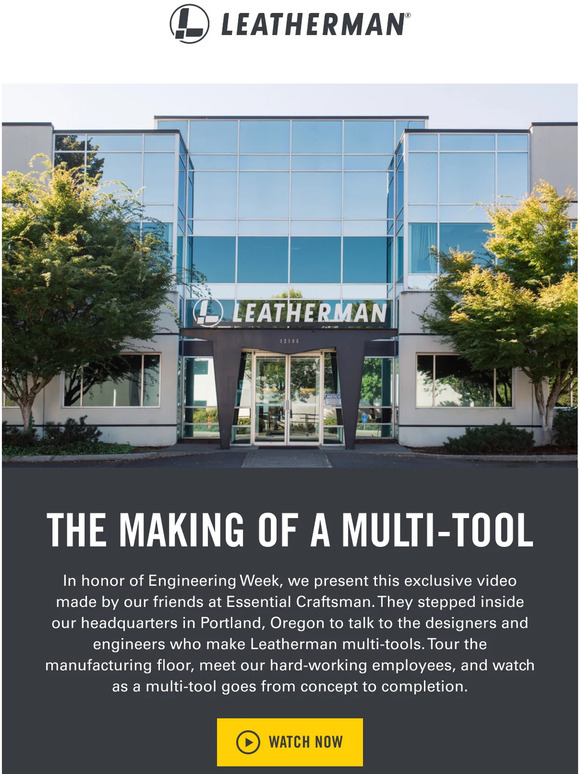
Source: www.kgw.com
What is established
Leatherman identifies its Portland facility as the manufacturing home for its tools.
What is not guaranteed by the broad claim
The company’s general Made in America statement does not establish that every component or raw material is US-sourced.
What to verify
Ask about the specific model, its current country-of-origin marking, and any part or accessory you plan to purchase.
What Does Made in America Mean for Leatherman?
The phrase describes the company’s American manufacturing base, but it does not mean that all global sourcing has stopped. Product origin claims can depend on the work done in the country, the value or importance of imported parts, and the rules that apply to the particular claim.
In the United States, the Federal Trade Commission oversees advertising claims about products being made in the USA. An unqualified Made in USA claim generally requires a product to be all or virtually all made in the country. Qualified claims can explain that a product is made in the United States with imported parts.
Leatherman’s wording acknowledges global parts, so it is more precise to describe its products using that wording than to claim that every item is made entirely from US materials. This is especially useful for shoppers who want to compare manufacturing location with component origin.
American manufacturing
The primary tool manufacturing base is in Portland, Oregon.
Global components
The company acknowledges that parts may come from outside the United States.
Accurate product descriptions
Use the manufacturer’s stated origin information rather than assuming that all materials are domestic.
Are Leatherman Accessories Made in the Same Place?
Do not assume that every accessory shares the origin of the main multitool. A nylon or leather sheath, bit set, clip, replacement component, or retail package may follow a different supply chain from the tool itself.
This distinction matters when a seller advertises an American-made Leatherman bundle. The multitool may be manufactured in Oregon while a pouch or another included item has a different country of origin. Check the description of each item if domestic sourcing is a firm requirement.
Main multitool
Check the manufacturer’s manufacturing statement and the origin information for the exact model.
Sheaths and pouches
Verify the accessory separately rather than assuming it is made in Oregon.
Replacement parts
Ask the manufacturer about the origin of the specific part if that information matters to you.
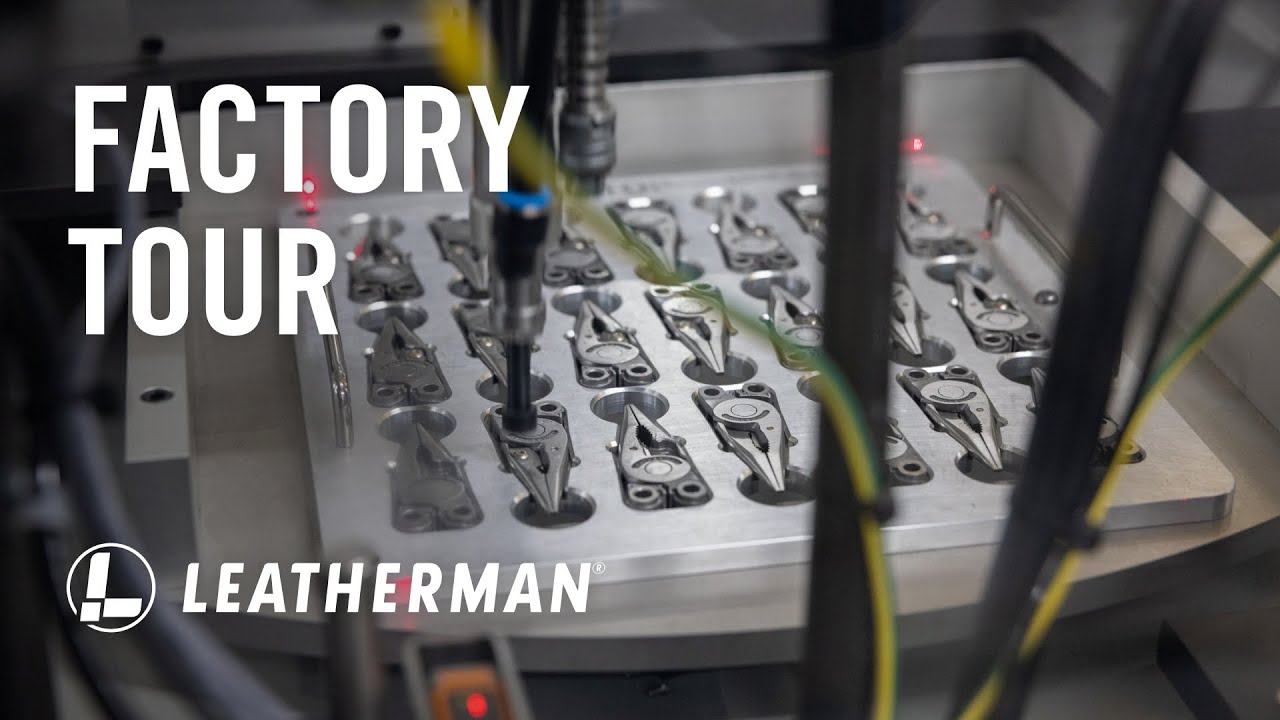
Inside the Leatherman Factory in Portland
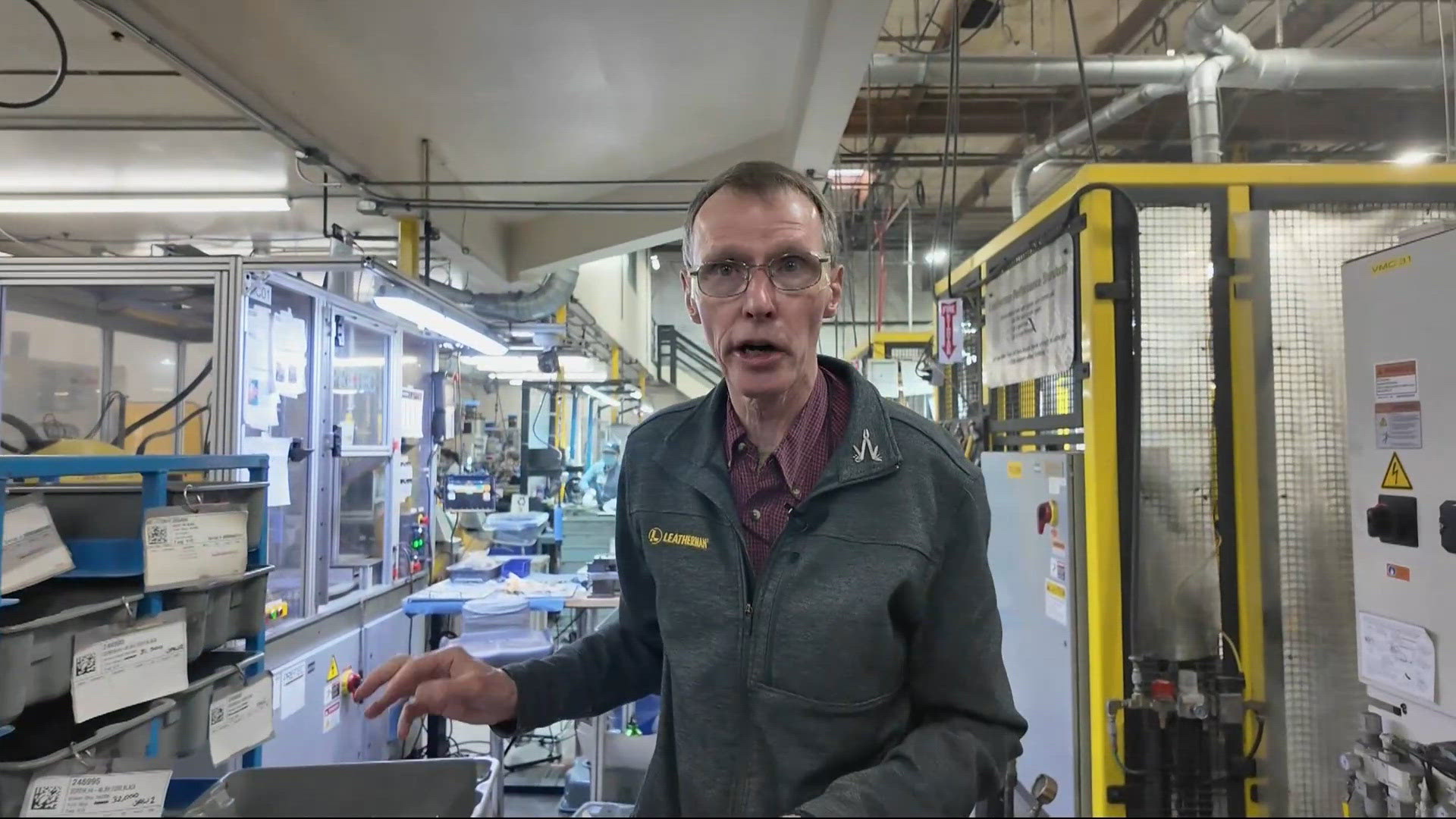
The Portland factory is where Leatherman turns product designs into finished multitools. Building a compact tool with pliers, cutters, blades, drivers, and folding parts calls for more than putting metal pieces together. The components must fit, move, and lock as intended.
Leatherman reports that its products pass through many processes during production. Those processes support the work needed to form parts, finish surfaces, assemble tools, and prepare finished products for sale. The exact steps and equipment can differ by model, so a single factory description should not be treated as a complete production manual.
The company also describes the Pacific Northwest as its testing region. Oregon has access to forests, mountains, coastal areas, and dry inland terrain. Those surroundings provide a range of settings for evaluating tools, although the company’s broad description does not mean every model has been tested in every possible field condition.
Source: www.youtube.com, Leatherman
Design and development
Product design work helps define the shape, features, and layout of each multitool.
Component production
Metal parts need suitable shapes, finishes, and dimensions before assembly.
Assembly
The individual tools and handles must fit together and move as designed.
Quality checks
Production checks help confirm that the finished tool meets the manufacturer’s requirements.
Why Does Local Manufacturing Matter?
Keeping production in one main location can help a company coordinate design, manufacturing, and quality work. It can also support local jobs and allow production teams to work more closely with engineers. These are potential benefits of a connected factory, not proof that any particular tool will never fail.
For buyers, the practical result is a known manufacturing base and a clear company contact for questions about product origin, service, and warranty coverage. The tool’s actual usefulness still depends on its design, materials, maintenance, and suitability for the task.
Clear manufacturing base
Leatherman identifies Portland as its main tool manufacturing location.
Production coordination
A shared manufacturing site can help teams coordinate design and assembly work.
Support access
The company provides customer service channels for product and warranty questions.
How Did Leatherman Start Making Tools in Oregon?
Leatherman’s manufacturing story began with a practical problem. Tim Leatherman wanted a compact tool that could help with repairs while traveling. A regular pocketknife could cut things, but it did not offer the gripping ability of pliers or the range of functions found in a small toolbox.
After developing his idea and working through the challenges of turning it into a commercial product, Tim Leatherman partnered with his college friend Steve Berliner. Leatherman Tool Group was founded in July 1983, and the company’s first product was the Pocket Survival Tool, commonly known as the PST.
The PST helped establish the idea of a folding multitool built around pliers. Instead of carrying several separate tools, users could keep a selection of functions in one compact unit. Leatherman continued to develop new designs while keeping its manufacturing base in Portland.
Source: www.slashgear.com
Founder
Tim Leatherman developed the original pliers-based multitool concept.
Business partner
Steve Berliner partnered with Tim Leatherman as the company was launched.
Company launch
Leatherman Tool Group was founded in July 1983.
First product
The Pocket Survival Tool, or PST, became the company’s original commercial multitool.
Does the Original PST Still Represent Leatherman?
The original PST established the company’s core idea: several useful tools in one compact frame. Modern Leatherman designs offer different combinations of pliers, cutters, blades, drivers, files, and other functions. Their layouts and materials vary according to the intended use.
The PST is now a historical model rather than the standard choice for someone seeking a new current-production multitool. Buyers interested in an older PST should check its condition, completeness, and authenticity. A vintage tool’s age and wear may affect its usefulness, even if its design remains appealing.
Original design
The PST helped define the pliers-based multitool category associated with Leatherman.
Modern designs
Current models offer different tool combinations and locking systems.
Vintage purchases
Inspect wear, damage, corrosion, and function before buying a used tool.
What Materials Are Used in Leatherman Tools?
Leatherman tools use metal components, with stainless steel playing a major role in many designs. The precise steel grade and other materials depend on the model and the part. It is not accurate to assume that every Leatherman tool uses one identical steel throughout.
Stainless steel resists corrosion, but it is not completely rustproof. Moisture, salt, dirt, harsh chemicals, and poor storage can still cause staining or corrosion. Moving joints and cutters also need care to keep them working well.
Material choice is separate from manufacturing location. A steel alloy can be made in one country and shaped or assembled in another. Because Leatherman acknowledges global parts, the fact that a tool is manufactured in Oregon does not by itself establish where its steel or every other input originated.
Source: milled.com
Stainless steel
Used in many tool components because it offers a useful balance of strength and corrosion resistance.
Specialty blade steels
Some models use specific blade steels, so check the manufacturer’s model specifications before comparing them.
Other materials
Handles, coatings, inserts, and accessories can differ between products.
Origin distinction
Material type does not prove the country where that material was produced.
Can Leatherman Tools Rust?
Yes. Stainless steel can rust or develop surface marks under the right conditions. A tool exposed to rain, sweat, salt water, or damp storage may need cleaning and drying to help prevent corrosion.
After use, wipe the tool clean and dry it well. Pay attention to the joints and spaces between folded components, where water and dirt can remain. Follow Leatherman’s current care instructions for lubrication and cleaning, and do not use a damaged tool for a task that could cause injury.
Clean after use
Remove dirt, plant matter, salt, and other residue before storing the tool.
Dry moving parts
Moisture trapped in joints can contribute to corrosion.
Store it well
Keep the tool dry and follow the manufacturer’s maintenance guidance.
How to Check Where Your Leatherman Tool Was Made
The safest way to confirm a tool’s origin is to start with the exact model and then check current manufacturer information. A seller’s broad claim about American-made tools may not answer questions about a particular model, accessory, or replacement part.
You do not need to guess based on the logo, packaging style, or the country where a retailer is based. Use the product listing as a starting point, then contact Leatherman if the origin statement is unclear. Keep a copy of the response if country of origin is a key part of your purchase decision.
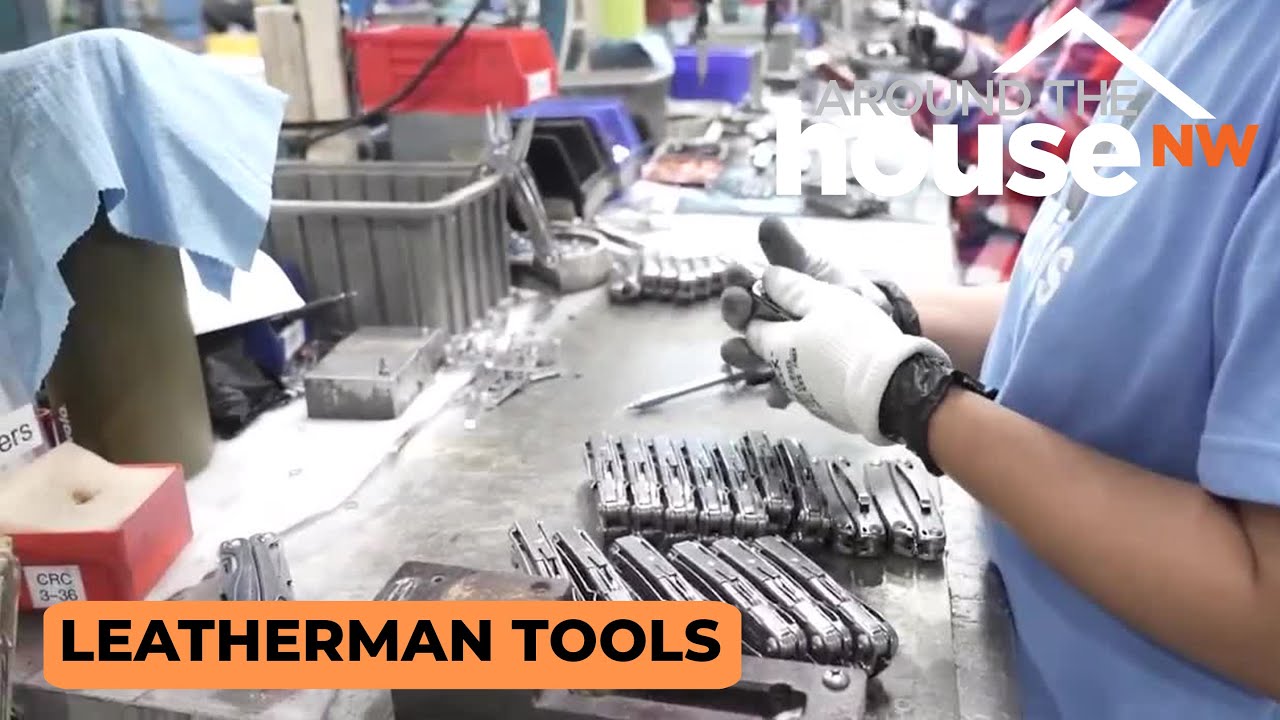
Source: www.youtube.com, KPTV FOX 12 Oregon
Step 1: Identify the model
Find the model name and any product number on the tool, packaging, or purchase record.
Step 2: Check the official product page
Review the current product details and the company’s manufacturing statement.
Step 3: Separate the tool from its accessories
Check sheaths, bits, clips, and other included items separately if their origin matters.
Step 4: Ask customer support
Request confirmation of the country of origin for the exact model or part.
Step 5: Keep the purchase record
Save the receipt and product details in case you need warranty service or later verification.
What If the Seller Says the Tool Is 100% American-Made?
Ask what the claim covers. It may refer to the location where the main tool is manufactured, or it may claim that all or virtually all of the product’s components and processing are domestic. Those statements are not interchangeable.
Compare the seller’s wording with the manufacturer’s current statement, which acknowledges US and global parts. If the seller makes a stronger claim than the manufacturer, ask for model-specific evidence before paying a premium based on country of origin.
Look for precise wording
A clear claim identifies whether it concerns the main tool, all components, or an accessory.
Check the exact model
Do not rely on a general statement about the brand to settle a model-specific question.
Avoid assumptions
A US company address or US assembly location alone does not prove that every input is domestic.
Does the Portland Manufacturing Location Affect Quality?
A tool’s manufacturing location can tell you something about where production takes place, but it cannot guarantee how well every tool will perform. Quality also depends on the design, materials, manufacturing controls, assembly, and the way the owner uses and maintains the tool.
Leatherman’s Portland production base allows the company to coordinate its manufacturing work at a known location. That is useful background for buyers who value US manufacturing. However, the country where a tool is made should be one part of a purchase decision rather than the only measure of quality.
Consider the work you plan to do. A multitool used for camping may need useful pliers, a suitable blade, and a design that is easy to clean. A tool carried for home repairs may need the right drivers and cutters. The best fit depends on the tasks, not only the factory address.
Source: zero.moonlakefarm.com
Check the tool layout
Choose functions that match your normal repair, work, or outdoor needs.
Review materials
Compare the stated steel type, coatings, and other model-specific details.
Consider maintenance
A tool that is cleaned and stored well is less likely to suffer avoidable wear or corrosion.
Read warranty terms
Check the current limited warranty, exclusions, and claim process before purchase.
What Is Leatherman’s Warranty?
Leatherman advertises a 25-year limited warranty for its tools. The word limited matters because coverage depends on the written terms and the condition or cause of the damage. Do not assume that normal wear, misuse, unauthorized changes, or every accessory problem will qualify for a free repair or replacement.
Keep your proof of purchase and review the current warranty information on the official Leatherman website. If a tool develops a fault, contact the company before trying a repair that could affect its condition or warranty eligibility. Warranty coverage is useful, but it does not replace proper care or safe use.
Check current terms
Read the official limited warranty conditions that apply to your tool.
Keep purchase details
A receipt and clear model information can help with a service request.
Contact the manufacturer
Ask about the available repair or replacement process before attempting major repairs yourself.
Common Misunderstandings About Leatherman’s Origin
Several common claims about Leatherman’s origin sound similar but mean different things. Understanding the difference helps buyers avoid misleading product descriptions and make a choice based on the facts.
Source: www.slashgear.com
Every component is made in the USA
Not established by the company’s broad origin statement. Leatherman says its products use US and global parts.
The company is American, so every product input must be American
Company nationality and component origin are separate matters. A US-based manufacturer can source materials internationally.
All accessories have the same origin as the tool
An accessory may follow a different production route. Check its own product information.
A Portland address proves a product’s exact origin
A business address identifies a location, but the model’s manufacturing statement is more useful for verifying product origin.
American-made automatically means better
Country of origin alone does not establish durability, fit, cutting performance, or suitability for a particular task.
Should You Buy Leatherman for Its US Manufacturing?
Buying Leatherman can make sense if you value a multitool manufactured in the United States and want a product from a company with a long history of Portland production. Its manufacturing location is a clear point in the brand’s favor for shoppers who prefer domestic production.
Still, compare the model’s features, size, weight, materials, price, and warranty terms. A compact tool with the right functions may serve you better than a larger one with features you never use. If complete domestic sourcing is essential, verify the individual product rather than relying on the brand name alone.
Choose by task
List the tools you need most before comparing models.
Choose by origin
Confirm the exact manufacturing and sourcing claim that matters to you.
Choose by upkeep
Consider cleaning, sharpening, lubrication, and repair needs over the tool’s service life.
Frequently Asked Questions
Q
Are Leatherman tools made in China?
Leatherman identifies Portland, Oregon, as the manufacturing location for its tools. Its official website describes them as made in America using US and global parts. That wording does not support a blanket claim that the tools themselves are manufactured in China, but it also does not identify the origin of every component. Check with Leatherman for model-specific details.
Q
Are all Leatherman multitools made in Oregon?
Leatherman states that it builds and manufactures its tools in Portland, Oregon. This is the company’s stated manufacturing base. If you need confirmation about a specific model, production run, or replacement part, contact the manufacturer rather than assuming that every item in a product bundle follows the same supply chain.
Q
Who owns Leatherman Tool Group?
Leatherman Tool Group is the company founded by Tim Leatherman and Steve Berliner in 1983. Tim Leatherman is the inventor associated with the original multitool and has served as the company’s chairman. For current ownership or corporate leadership details, consult the company’s latest official corporate information.
Q
Are Leatherman sheaths and accessories made in the USA?
Do not assume that every sheath, pouch, bit set, clip, or accessory is made in the same place as the main tool. Accessories can have different suppliers and manufacturing locations. Review the exact item listing or ask Leatherman customer support if US origin is a deciding factor.
Q
How can I tell if my Leatherman is genuine?
Buy from Leatherman or a retailer you trust, and compare the tool’s model name and features with the official product listing. Keep the receipt and check for details that do not match the stated model. A logo or Portland address alone cannot prove authenticity. If something seems wrong, send the model details and clear photos to Leatherman customer support for guidance.
Q
Does Leatherman offer a warranty on its tools?
Leatherman advertises a 25-year limited warranty for its tools. The terms and exclusions matter, so read the current official warranty before making a claim. Keep your proof of purchase and contact customer support for instructions if your tool needs service.
✦ Wrapping Up
Conclusion
Leatherman tools are made in Portland, Oregon, USA. The company has manufactured its multitools there since its founding in 1983, and its official website continues to identify Portland as its manufacturing home. This makes Leatherman a clear option for shoppers who value tools manufactured in the United States.
The key qualification is the supply chain. Leatherman describes its products as made in America using US and global parts, so the manufacturing location does not prove that every component or raw material is American-made. Accessories may also have a different origin from the main tool.
Before buying, compare the exact model’s features and check the manufacturer’s current product and warranty information. If you need a firm answer about a particular component or accessory, contact Leatherman directly. That approach gives you a more reliable answer than relying on a broad claim about the brand.
💡 Key Takeaway
For the most accurate answer, start with Leatherman’s official website at https://www.leatherman.com/, identify your exact model, and ask customer support to confirm its country of origin if you need more detail than the general Made in America statement provides.